
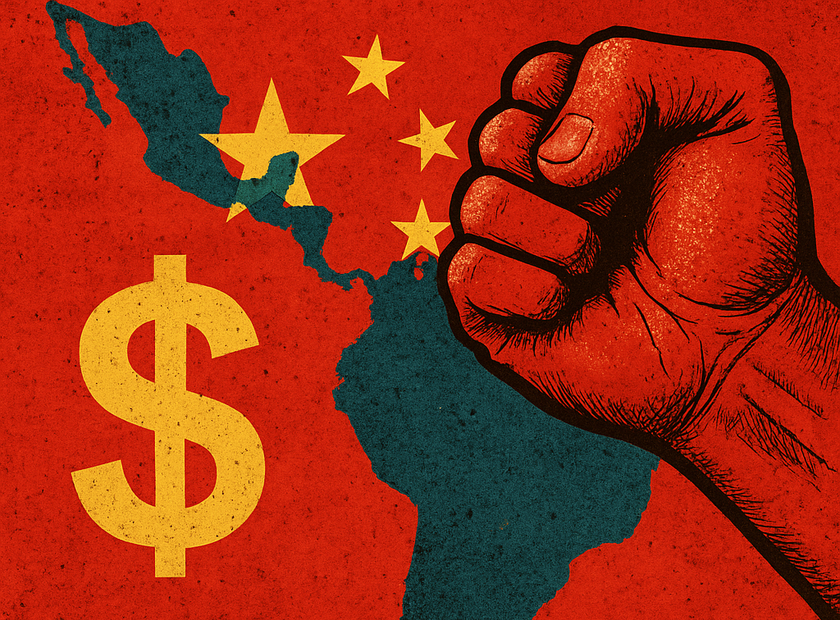
The Economic and Legal Warfare (ELW) Project explores and illuminates the non-traditional tools of conflict that come with a vastly expanded domain of operations. The expansion of security strategy beyond orthodox military perspectives over the past 30 years has led to a larger and more complex battlespace, which now includes political, economic, legal, societal, cognitive and psychological vulnerabilities. Conventional military confrontation is now part of a broader toolkit, and much of that expanded toolkit remains in its infancy.
Irregular warfare thrives in the “gray zone” between war and peace. The ELW project takes a close look at the current use and future potential associated with influence and information operations, new forms of economic warfare and lawfare, and innovative approaches to societal influence and pressure. While not solely a military concept, Joint Publication 1, Doctrine for the Armed Forces of the United States, outlines the Diplomatic, Informational, Military, and Economic (DIME) model, emphasizing the interconnected nature of these instruments in achieving national security objectives. The “economic domain,” in particular, remains an underutilized yet decisive factor in shaping adversarial behavior, reinforcing its role as a critical complement to military power in modern conflict.
These hybrid methods align with irregular warfare’s emphasis on shaping the entirety of the operational environment – weakening opponents and achieving goals through disruption, influence, and manipulation. Recognizing and countering such tactics is crucial as state and non-state actors increasingly challenge stronger adversaries while necessarily avoiding the costs and risks of conventional war.
Our project is aligned around the following topics:
- Sanctions & Embargoes (Trade Controls)
- Inbound & Outbound Investment Security Regimes
- Tactical Economic Warfare Supply Chain
- Weaponizing Aid & Contingent Capital
- Natural Disasters and the Nexus of Economic and Information Influence (“Disaster Diplomacy”)
- Agricultural & Food Security
- Dual Use Technology in Action
- Natural Resources & Critical Minerals