Subversion: The Strategic Weaponization of Narratives
This week’s episode of the Irregular Warfare Podcast examines how states weaponize strategic narratives to control the information space and achieve their interests. Our guests begin by addressing how recent changes in the information environment have enabled revisionist states to wage information warfare. They then talk about how states
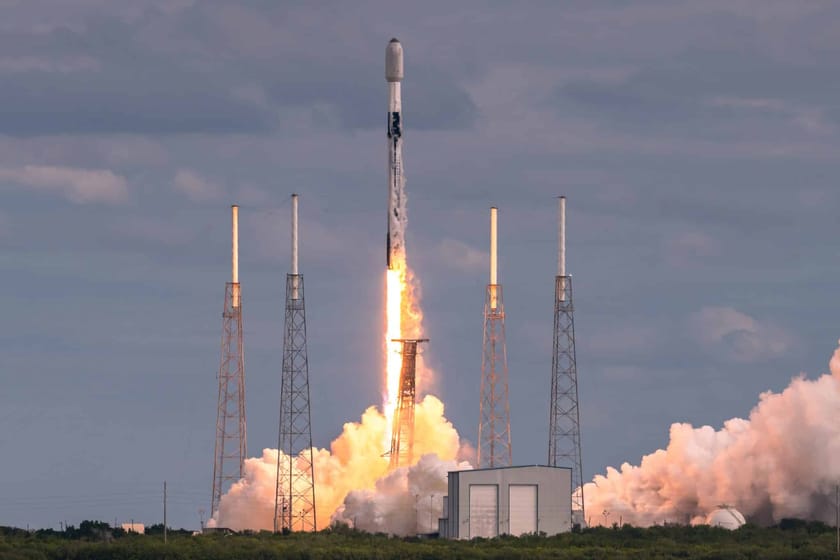
When a CEO Plays President: Musk, Starlink, and the War in Ukraine
Explosive reports from major news outlets in September declared that, last year, tech guru and billionaire entrepreneur Elon Musk had shut down the Starlink service for the Ukrainian military in Crimea, thwarting Ukraine’s ability to conduct a major counteroffensive against the Russian navy. Following these reports, Musk publicly acknowledged
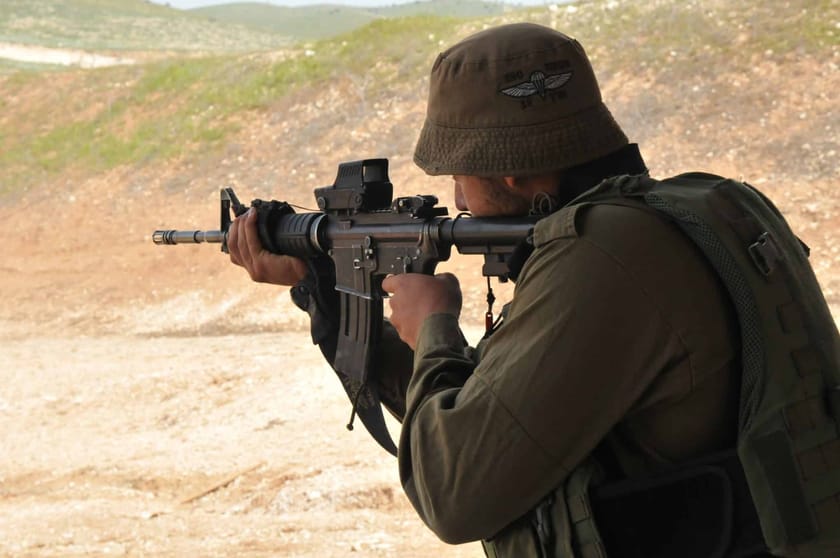
The Irregular Warfare Implications of the Israel-Hamas Conflict
In the immediate aftermath of Hamas’ devastating surprise assault on Israel this past weekend, it is tempting to focus exclusively on the horrific carnage and wanton destruction on both sides of this now only days-old conflict. Beyond the bloodshed and sorrow, however, there are far broader irregular warfare implications
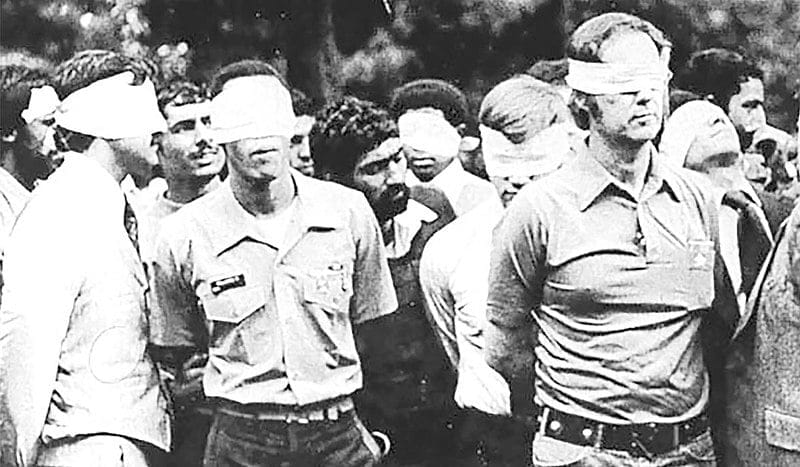
The Prisoner’s Dilemma: Hostage Diplomacy 101
This week’s episode of the Irregular Warfare Podcast examines how states use hostages and hostage diplomacy to achieve their interests. Our guests begin by addressing why states and non-state actors engage in hostage taking, as opposed to relying on other, more traditional instruments of power. They then talk

Law as Force in Hybrid Warfare
The Westphalian paradigm of warfare exists in the belief in the dichotomy between open war with stretches of peace in between. This Western perspective of warfare is traditionally linked to conflicts employing force through kinetic means to achieve military objectives, and by extension, political objectives. The existence of nuclear weapons

To Coup or Not to Coup: The Cold War Hangover of US Security Assistance
With recent military coups in July in Niger and in August in Gabon, commentators have heaped blame on the United States. Last year it was a coup in Mali and two in Burkina Faso, and, according to The Intercept, “at least 14 US-trained officers have taken part in coups
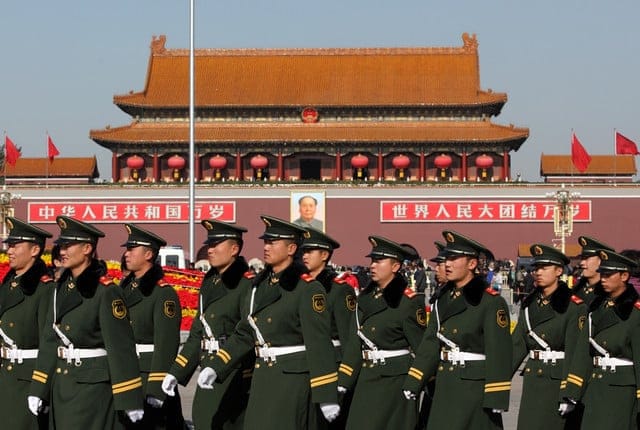
Gray Zone – Chinese Political Warfare
Episode 88 of the Irregular Warfare Podcast explores the Gray Zone through the lens of Chinese Political Warfare. Our guests begin by defining Chinese Political Warfare and how it differs from the Western approach to warfare. They then discuss examples of China’s information operations in the context of global
Wither Political Warfare: The Future of Gray Zone Competition
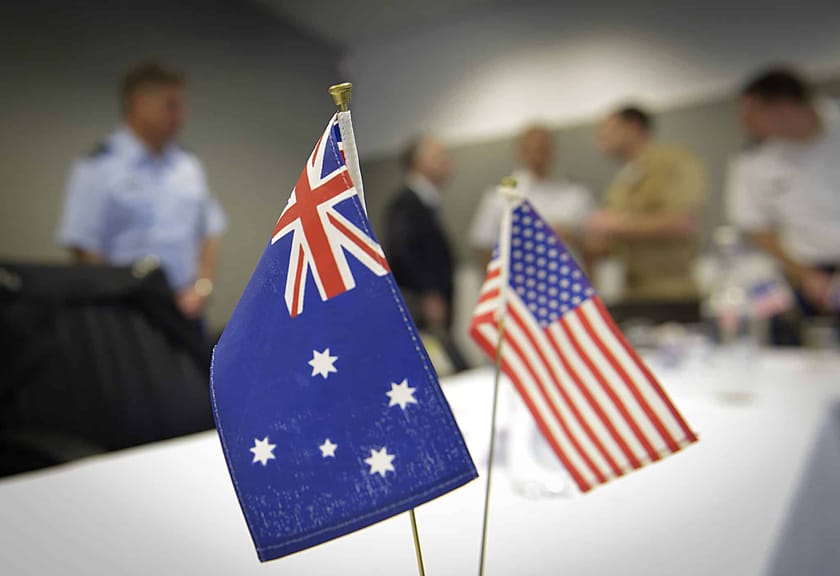
“Nothing becomes a General more than to anticipate the Enemy’s plans.” -- Niccolò Machiavelli, The Discourses, Book 3, Verse 18. The term “grey zone” was a curious absentee from this year’s Australian Defence Strategic Review (DSR). Nor were similar terms, like “political warfare,” “subversion,” or “irregular warfare,” even once

Lessons in Maritime Insurgency from the Mukti Bahini Freedom Fighters of 1971
Editor’s note: This article is part of Project Maritime, which explores modern challenges and opportunities in the maritime dimension at the intersection of irregular warfare and strategic competition. We warmly invite your participation and engagement as we embark on this project. Please send submissions to submissions@irregularwarfare.org with
Solving for the Missing Element of Maritime Campaigning
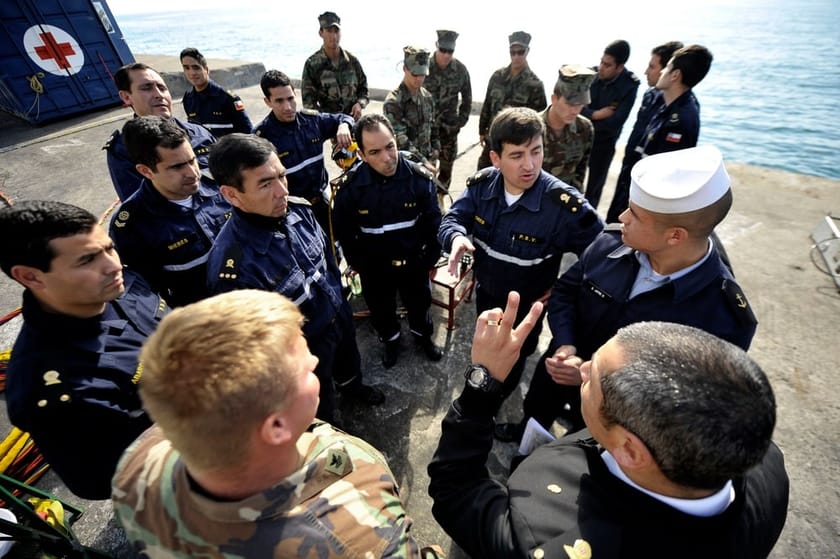
Editor’s note: This article is part of Project Maritime, which explores modern challenges and opportunities in the maritime dimension at the intersection of irregular warfare and strategic competition. We warmly invite your participation and engagement as we embark on this project. Please send submissions to submissions@irregularwarfare.org with
Bridging the gap between irregular warfare scholars, practitioners, and policymakers.