Articles
Our articles cut through the noise on irregular warfare to connect strategic theory to operational reality and translate complexity into insight for practitioners and policymakers. No time to read? Check out our podcast, "Insider: Short of War," which transforms our articles into concise, engaging audio pieces you can listen to anywhere. Available directly in most of our articles and on Apple Podcasts, Spotify, and all major platforms.
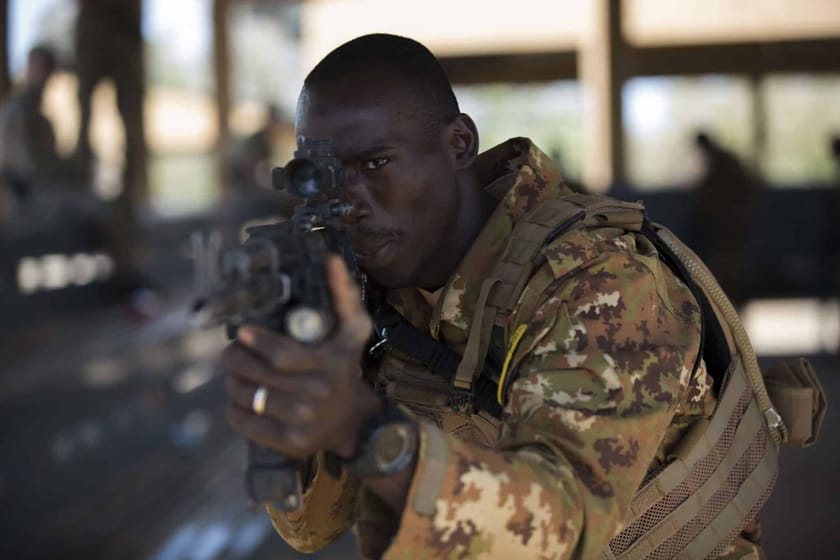
Shifting Sands: The Future of West Africa’s Power Dynamics and the Sahel Alliance
If there is a way to conduct irregular warfare in the Sahel without the UN and France, Mali has yet to crack the code. Despite the assistance of Turkish Bayraktar drones and Russian mercenaries, the Malian Armed Forces are taking heavy losses from extremist groups and making limited gains against

Letter From The Editor
Last week, the IWI Board of Directors approved me to take on the role of Editorial Director, succeeding Hope Hodge Seck, who is returning to her career in national security journalism. Jacob Ware will remain on as Deputy Director and Senior Editor Sam Rosenberg will fleet up to share those

People as a Weapons System: Moscow and Minsk’s Continued Attempts to Weaponize Migration
Weaponized migration, the orchestration or threatened orchestration of a sudden influx of refugees by a hostile government into another country for coercive purposes, continues to make appearances as the latest preferred instrument in the modern autocrat’s toolkit. Using what was once a favorite strategy of leaders such as Cuba’
A Guide for Measuring Resiliency
A portion of this article was previously published in Small Wars and Insurgencies journal. The question of state resiliency remains essential to the three biggest U.S. foreign policy questions of today. Why did Afghanistan fall so rapidly to the Taliban in 2021? Why, in contrast, has Ukraine stood firm
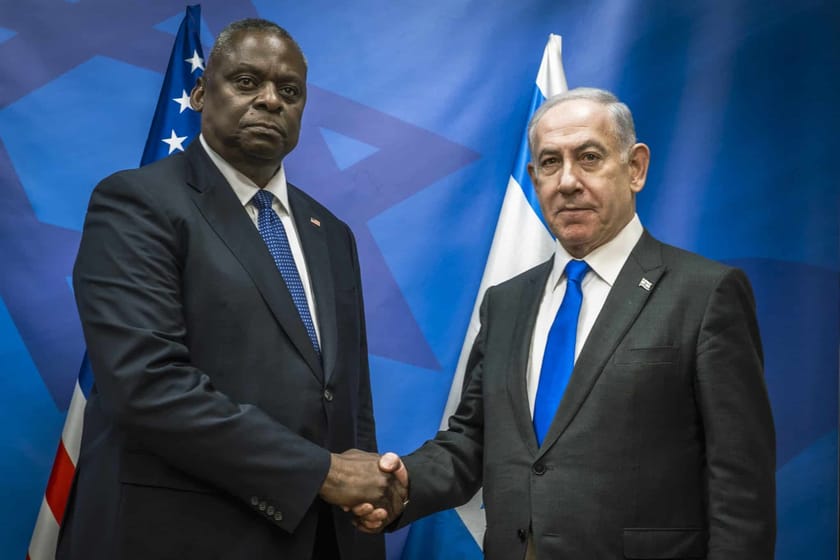
Israel’s Pyrrhic Victory in the Gaza Strip: Implications of Waging War in the Age of Social Media
By now, it is clear that Israel is dominating the battlefield in the Gaza Strip. However, what is not certain or within the control of the Israelis is the global perception of this offensive in light of the humanitarian disaster in Gaza. There are reasons to conclude that the modern
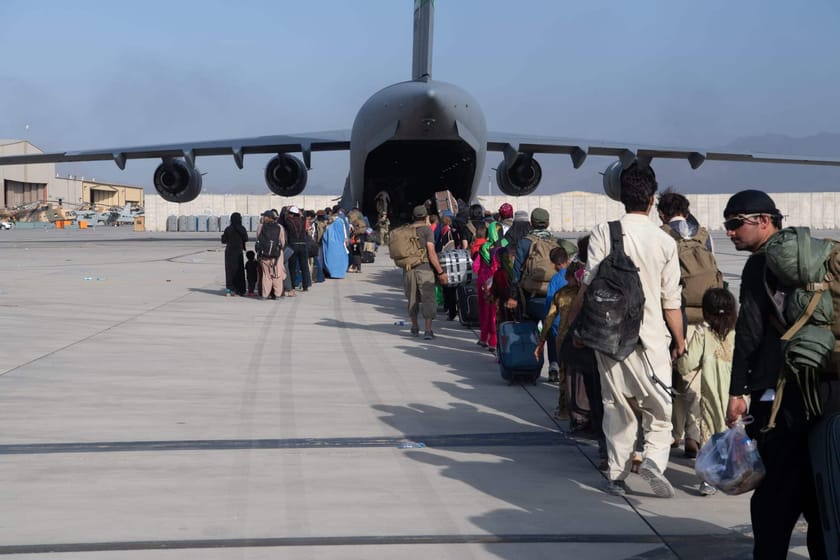
Learning from Failure: Afghanistan as a Microcosm for Strategic Competition
Why should the U.S. military and political leadership care about Afghanistan? Isn’t Afghanistan a story about sunk costs whose lessons only apply to counter terrorism or counter insurgency? Absolutely not. Rather, the U.S. military must understand its failures in Afghanistan to succeed in strategic competition. Failure to
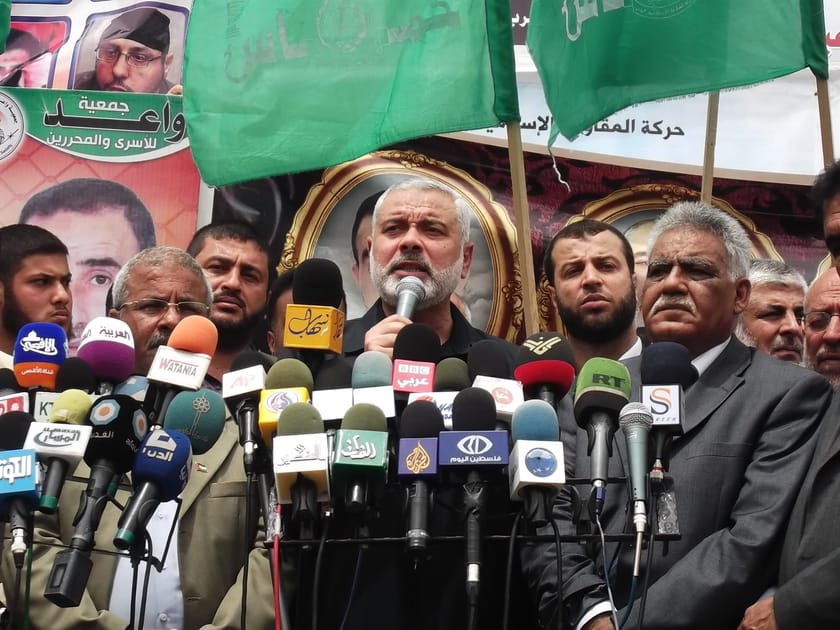
How Hamas Built an Army
On October 7, 2023, the Palestinian terrorist group Hamas and its allies entered Israeli territory to commit atrocities against civilian communities near the Israel-Gaza border. With about 1,200 dead, including children and the elderly slaughtered in their beds or burned to death, and at least 239 abducted to
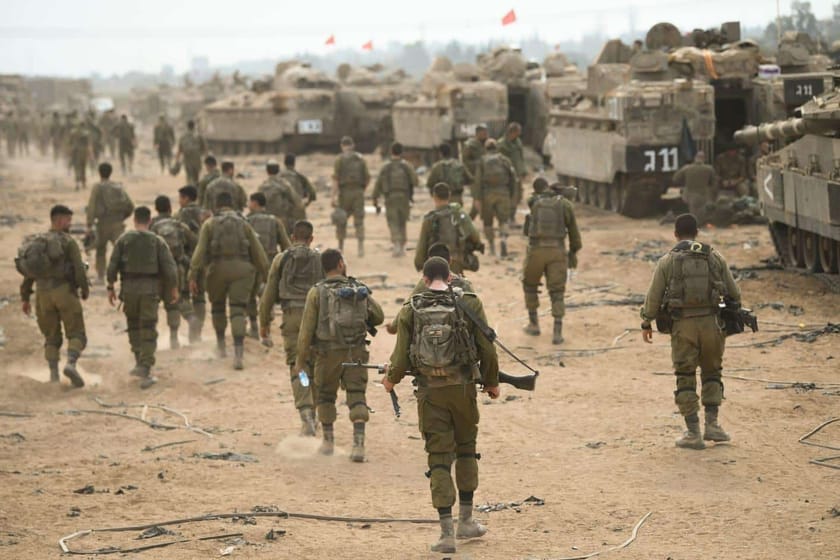
Theories of Victory: Israel, Hamas, and the Meaning of Success in Irregular Warfare
Two months in, what does the war between Israel and Hamas tell us about victory and defeat in irregular warfare? There is no difficulty in identifying those who have lost the most through this conflict: the civilian victims, caught up in a hellish devastation not of their making. In contrast,
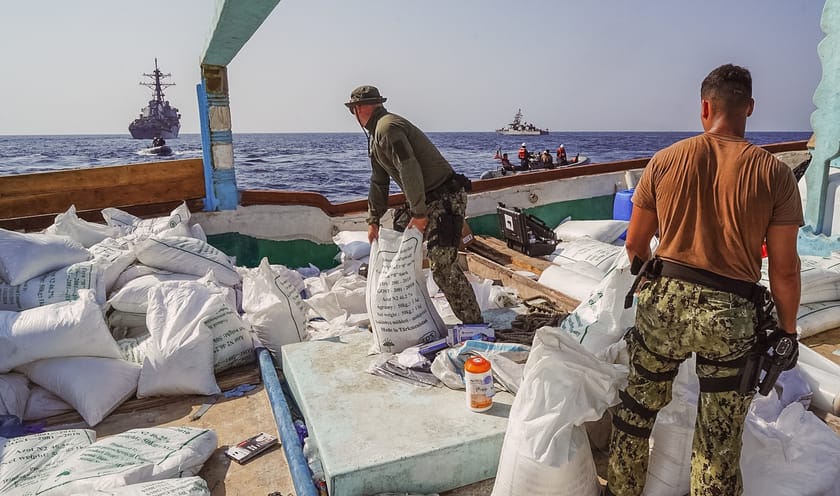
Maritime Maneuvers: Navigating Irregular Warfare in Yemen’s Civil War
Before the 2018 National Defense Strategy recognized Irregular Warfare (IW) as a key competency for the Joint Force, a unique cell of Navy Surface Warfare and intelligence officers, an Army Civil Affairs Team (CAT), and Royal Navy (UK) personnel initiated a maritime irregular warfare campaign in the early stages of
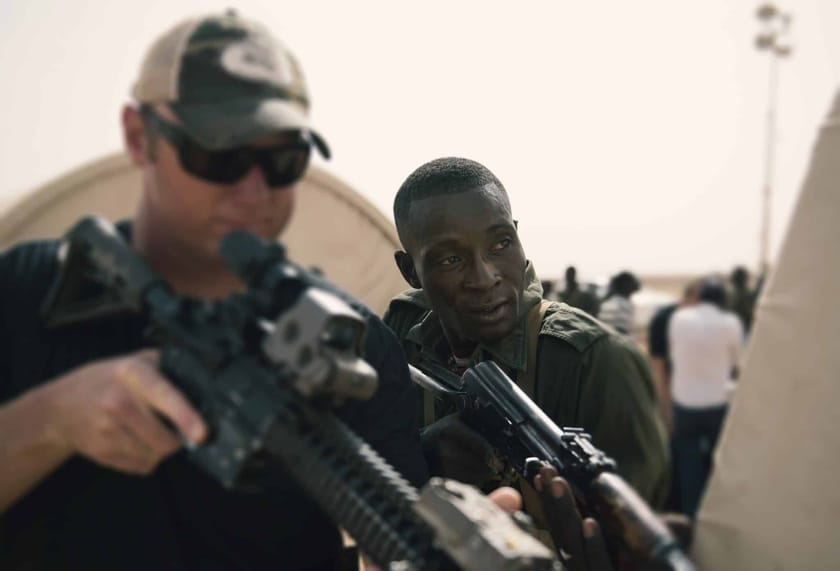
Not Just ‘Mowing the Grass:’ Unconventional Warfare in Somalia
By Colin Robinson In June 2022, US Army captain Sean O’Brien wrote that “mowing the grass” — continual degradation of Al-Shabaab leaders, effectively via airstrikes and small swift raids (in military doctrinal terms, direct action, or DA) — was the most useful option to avoid threats to US interests in
Bridging the gap between irregular warfare scholars, practitioners, and policymakers.