Emerging Technology

The Emerging Technology focus area connects the people closest to the challenge of deploying new technology and builds a community that learns faster than our adversaries. We move beyond the latest tools to analyze the friction generated when new technologies—from AI and autonomous systems to crypto and biotech—are embedded in irregular warfare.

The Digital Bear in Ukraine: Russian Cyber Operations Since 2014

Episode 77 of the Irregular Warfare Podcast, which is also the second installment of the IWI Project on Cyber, explores cyber operations in the war in Ukraine. Our guests examine the use of cyber warfare and digital information operations in Ukraine since 2014. They begin by highlighting the differences between

Custer’s Last Tweet: Avoiding a Digital Little Bighorn in the Fight for Hearts and Minds

Jayson Warren, Darren Linvill, and Patrick Warren On the afternoon of June 25, 1876, Lieutenant Colonel George Armstrong Custer led five companies of the Seventh Cavalry into the valley of the Little Bighorn River, intent on pacifying the Lakota and Sioux encamped there. A veteran of previous campaigns against the

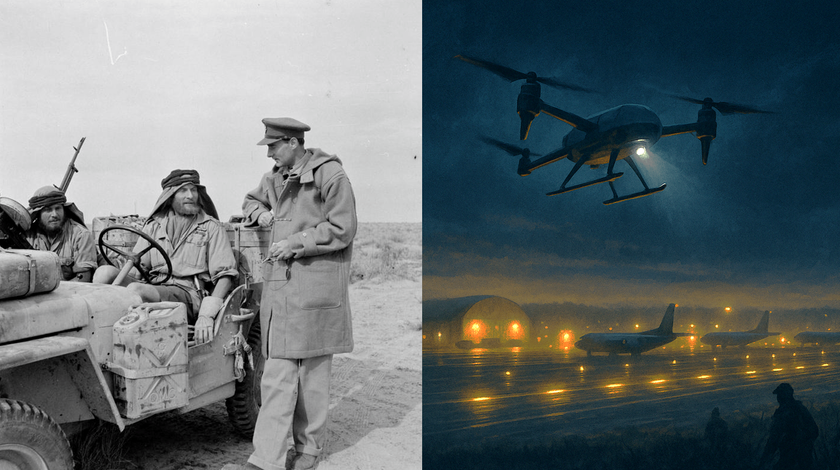
War Transformed: How Emerging Technologies Are Changing Human Conflict

Ben Jebb and Adam Darnley-Stuart Episode 74 of the Irregular Warfare Podcast examines the effect of emerging technologies on warfare, and addresses the issues that today’s combat leaders will face on modern-day battlefields. Our guests begin by considering what past technological revolutions can teach us about changes in warfare

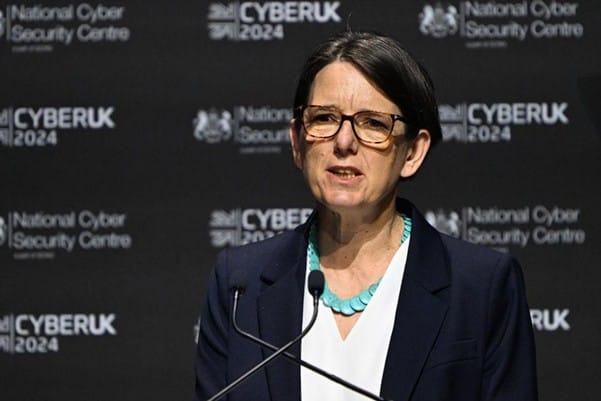
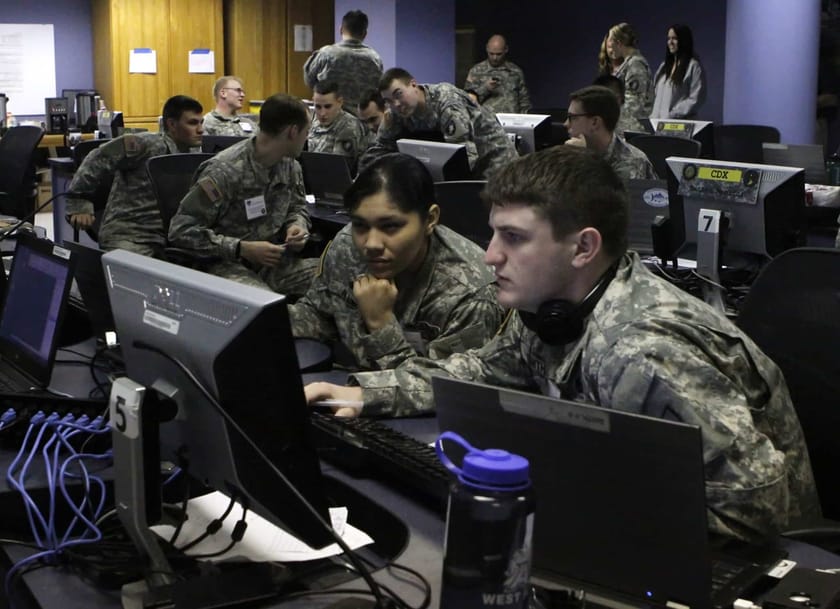
Seizing The Digital Initiative: Zero Trust And Persistence In The Cyber Domain

Laura Jones and Maggie Smith Episode 72 of the Irregular Warfare Podcast is the first episode of the special Irregular Warfare Initiative Project Cyber. IWI projects explore critical topics impacting the modern practice, policy, and study of irregular warfare. Led by subject matter experts, each IWI project aims to cultivate

Russia's Vast Cyber Web Enables Deniability And Obscurity—But Not Without Risks

Justin Sherman Describing every cyber operation coming from within Russia as a “Russian cyberattack” obscures the large, complex, and often opaque web of different cyber actors in Russia—each with varied relationships with the state. As I describe in a new Atlantic Council report, there are cybercriminals operating at the

Hiding In The Noise: Preparing The Irregular Warfare Community For The Age Of AI

by Matthew Moellering According to the 2020 Irregular Warfare Annex to the National Defense Strategy, the United States is underprepared to counter irregular warfare; the dawn of the AI age compounds this problem. As AI continues to transform human society by fundamentally changing how people experience reality, US adversaries are

Spies, Lies and Algorithms: US Intelligence in a Changing World

Shawna Sinnott and Laura Jones Episode 58 of the Irregular Warfare Podcast focuses on the US intelligence community and its role in supporting the spectrum of national security missions, from the heavy counterterrorism focus of the post-9/11 era to today’s environment of strategic competition. Our guests begin by

Showing of 37 posts

Bridging the gap between irregular warfare scholars, practitioners, and policymakers.

Stay in the Loop

Subscribe for the latest articles, podcasts, and events.

Subscribe

Our Work

Technology is evolving in months, while defense organizations often take decades to adapt. This growing gap leaves practitioners in a dangerous reality: forced to make irreversible decisions in high-stakes environments without clear doctrine or updated ethics training. The Emerging Technology and Irregular Warfare Focus Area was created to bridge this divide by connecting the people closest to the challenges and building a community that learns faster than our adversaries.

Strategic Tensions & Core Dilemmas

We move beyond the tools themselves to analyze the friction generated when new technologies—from AI and autonomous systems to crypto and biotech—are embedded in irregular warfare. Our work focuses on four core dilemmas:

  • Decisionmaking & Accountability: Reshaping decision dynamics in decentralized environments while maintaining political control and mitigating civilian harm.
  • Diffusion & Escalation: Addressing how low-cost, high-impact technologies enable nonstate actors to evade intelligence and exploit deniability.
  • Legitimacy & Effectiveness: Navigating the tension between operational success and public legitimacy as capabilities outpace existing laws.
  • Influence & Trust: Leveraging technology for humanitarian effectiveness while countering adversary efforts to undermine trust through algorithmic bias and misinformation.

Our Operating Principles

We are not interested in technology in search of an application. Our efforts are guided by three functional pillars:

  1. Problem-driven: We start with the friction points practitioners face on the ground. When existing doctrine is ignored, we seek to understand why and identify practical solutions.
  2. Whole-of-Society Perspective: Technology in the gray zone reshapes populations and creates long-term dependencies. We utilize a systems approach to ensure technological impacts align with broader strategic objectives.
  3. Future-focused: We prioritize anticipating what’s coming next over merely analyzing last year’s conflict, ensuring we stay ahead of emerging tactics and dilemmas.


Meet the Team

Jeffrey Szuchman Jeffrey Szuchman Co-Director, Emerging Technology
Kristina Kempkey Kristina Kempkey Co-Director, Emerging Technology
Aidan Harte Aidan Harte Advisor, Emerging Technology
August Cole August Cole Senior Advisor, Emerging Technology
Hugh Harsono Hugh Harsono Advisor, Emerging Technology
Jason Alexander Jason Alexander Advisor, Emerging Technology
Matt Sansone Matt Sansone Advisor, Emerging Technology
Noah Flessel Noah Flessel Advisor, Emerging Technology
Steve Feldstein Steve Feldstein Senior Advisor, Emerging Technology