Julia McClenon
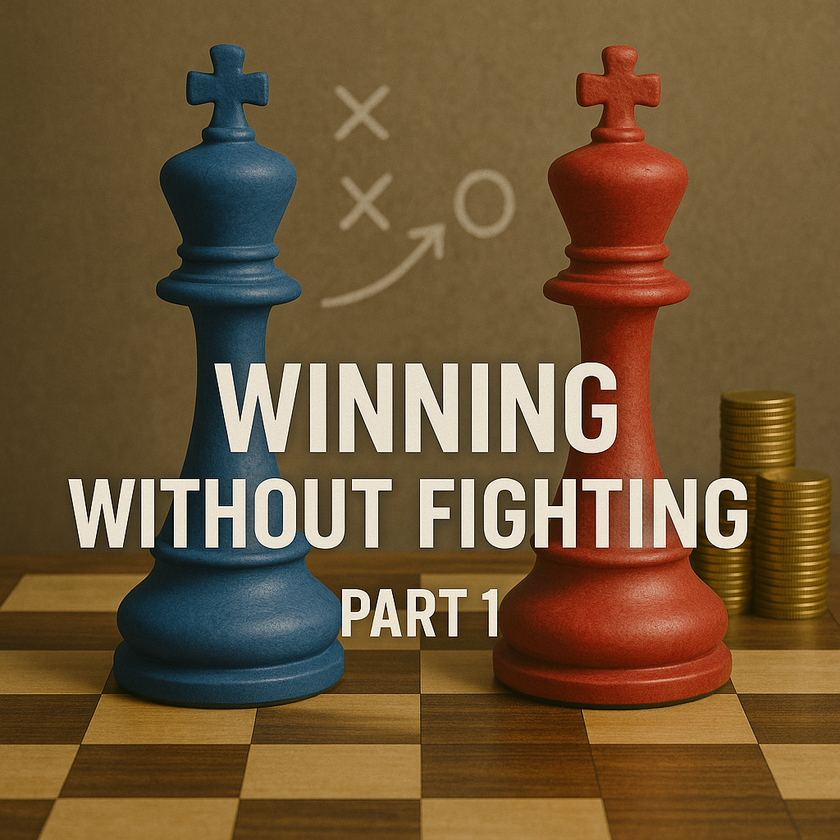
Winning Without Fighting: Strategic Culture and Gray Zone Competition (Part 1)
Episode 132 of the Irregular Warfare Podcast explores how strategic culture shapes approaches to irregular warfare and competition in the gray zone. This is part one of a two-part series examining why nations conceptualize irregular warfare differently and how cultural biases affect competition below the threshold of armed conflict.
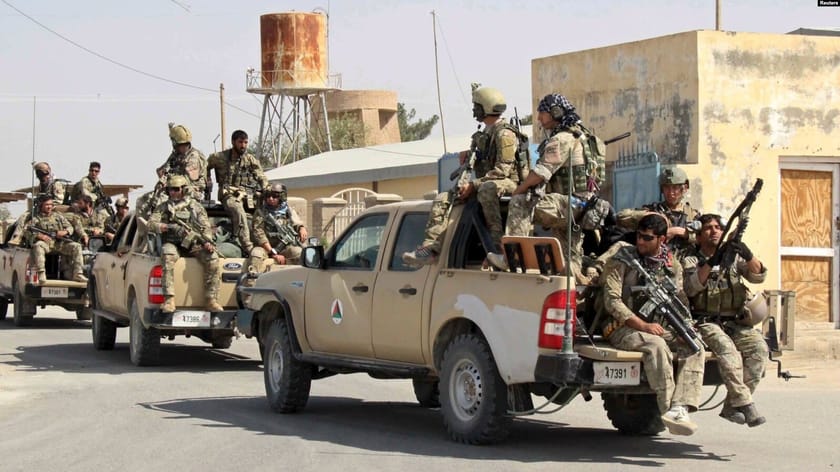
Theory vs. Practice: What is Irregular War?
Episode 122 examines a unique theory on Irregular War that challenges both historical and contemporary frameworks on the topic. The guests conduct an in-depth discussion and debate over the complexities of Irregular War and its implications for the U.S. in future conflicts throughout the globe. Our guests define
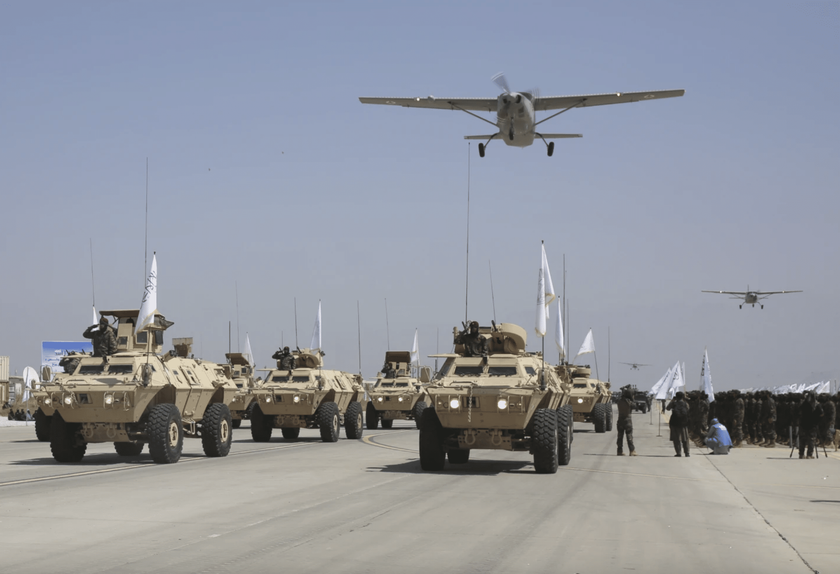
Afghanistan Three Years Later: Alliances and Rivalries
Episode 113 examines the challenges presented by the Islamic State Khorasan (ISK) in Afghanistan within the context of the three-year anniversary of U.S. withdrawal from the region. Our guests share their extensive backgrounds, research, and practical experience related to the emergence of ISK in Afghanistan and Pakistan. They
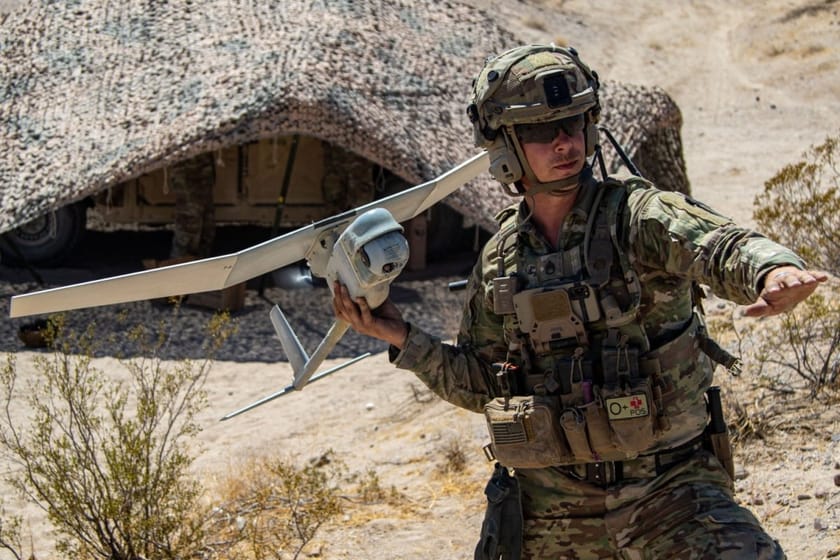
Insiders, Outsiders and Enablers: Intelligence Support to Irregular Warfare
Episode 104 examines the role of intelligence professionals and agencies at the tactical and operational levels of irregular warfare while diving deeply into the links between US SOF and the CIA. Our guests begin with an overview of the history of the CIA and the development in intelligence capabilities throughout
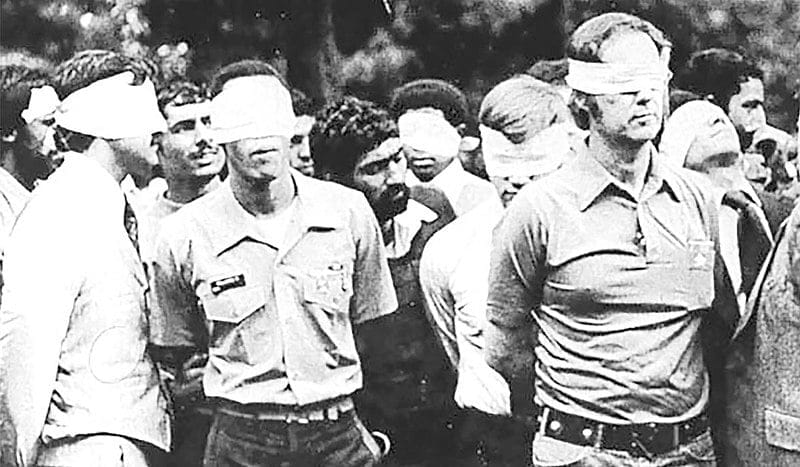
The Prisoner’s Dilemma: Hostage Diplomacy 101
This week’s episode of the Irregular Warfare Podcast examines how states use hostages and hostage diplomacy to achieve their interests. Our guests begin by addressing why states and non-state actors engage in hostage taking, as opposed to relying on other, more traditional instruments of power. They then talk
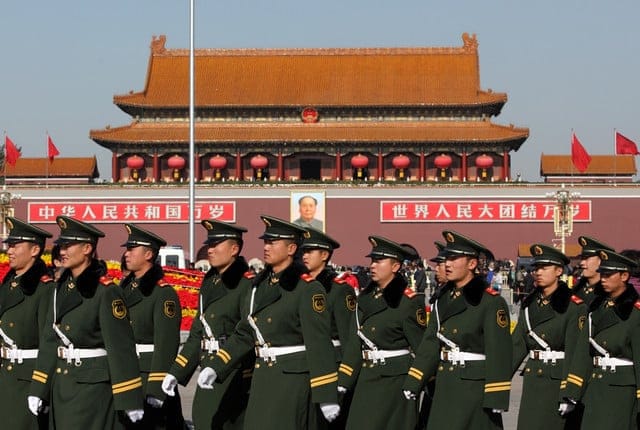
Gray Zone – Chinese Political Warfare
Episode 88 of the Irregular Warfare Podcast explores the Gray Zone through the lens of Chinese Political Warfare. Our guests begin by defining Chinese Political Warfare and how it differs from the Western approach to warfare. They then discuss examples of China’s information operations in the context of global
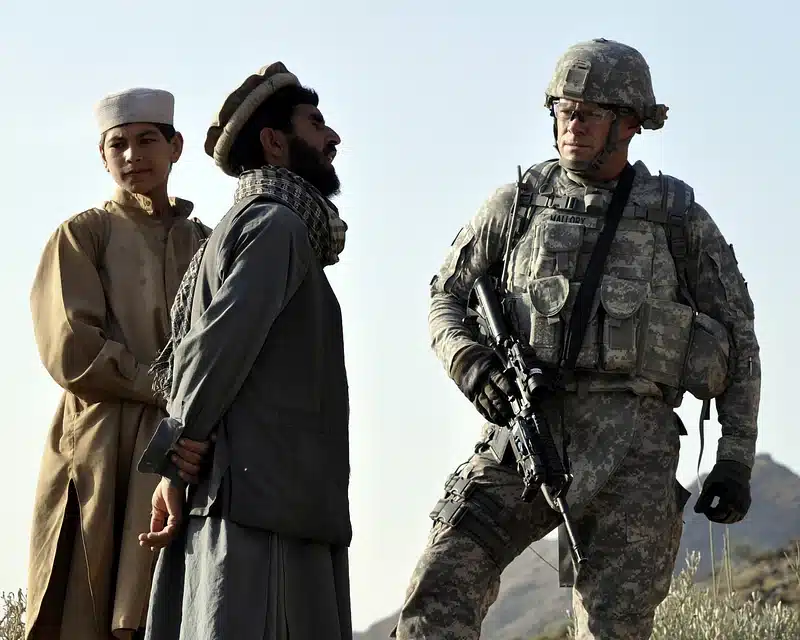
Hindsight and Foresight: A 20-Year Retrospective on IW and COIN
In what ways do irregular warfare and counterinsurgency overlap? Is China engaged in irregular warfare against its adversaries? What are some of the failures of the wars and conflicts of the last 20 years and why did they occur? What do IW practitioners need to do to avoid the mistakes
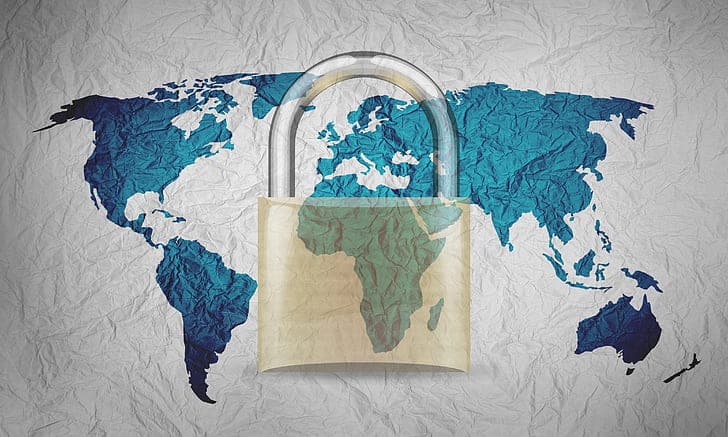
The Rise of Digital Repression: How Technology is Reshaping Power, Politics, and Resistance
Episode 84 of the Irregular Warfare Podcast is our fourth installment of the IWI Project on Cyber where we look at Steven Feldstein's book The Rise of Digital Repression: How Technology is Reshaping Power, Politics, and Resistance. Our guests delve into what digital repression is and how authoritarian
Treating or Feeding the Disease?: Elite Capture of the Security Sector
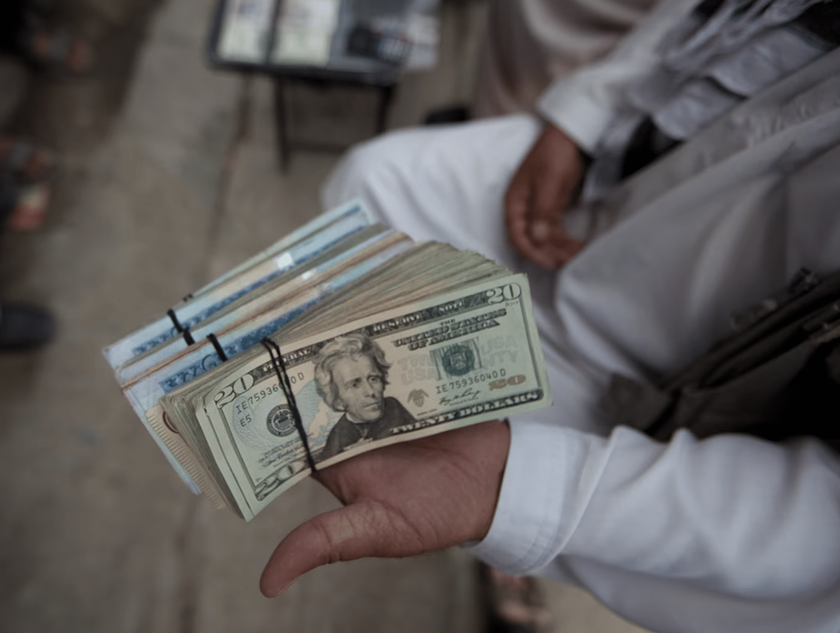
Is it possible to disentangle the problems contributing to elite capture of the security sector? What can and should the US government do when engaging with partners where the risk for elite capture is high? What does elite capture look like in Afghanistan versus Mexico? In Episode 83 of the
We’re WEIRD and Our Adversaries Know It: Psychological Biases Leave the United States Vulnerable to Cognitive Domain Operations
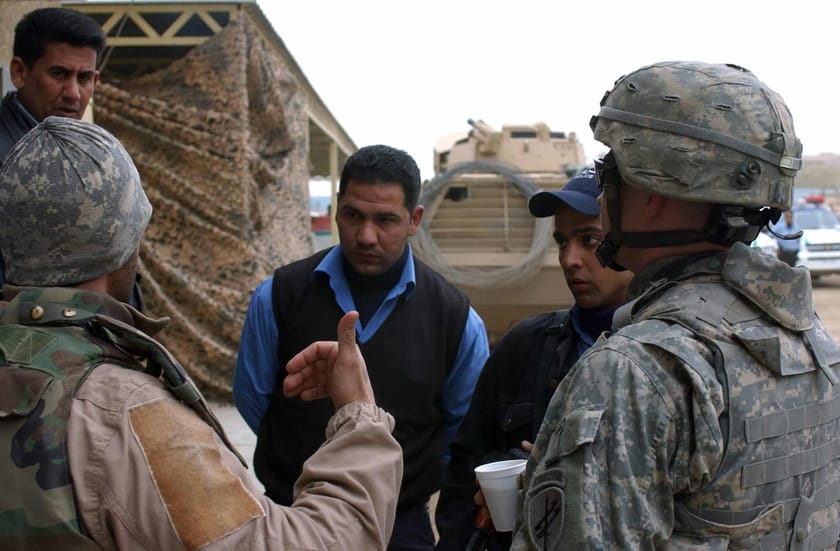
The US Department of Defense originated the concept of a cognitive warfare domain, but the United States is already well behind on defending against others’ cognitive operations and campaigns—let alone effectively countering them or conducting offensive activities. To succeed in the cognitive domain, one must understand the psychological weaknesses,
Bridging the gap between irregular warfare scholars, practitioners, and policymakers.