Ukraine's Railway Wars: How to Sabotage Russian Military Logistics
Editor’s Note: This article is a part of Project SOF in Competition. The project explores the intersection among irregular warfare, SOF, and broader national security challenges. We invite your participation and engagement as we embark on this project. If you would like to contribute to the Special Project, please
SOF and Influence Activities
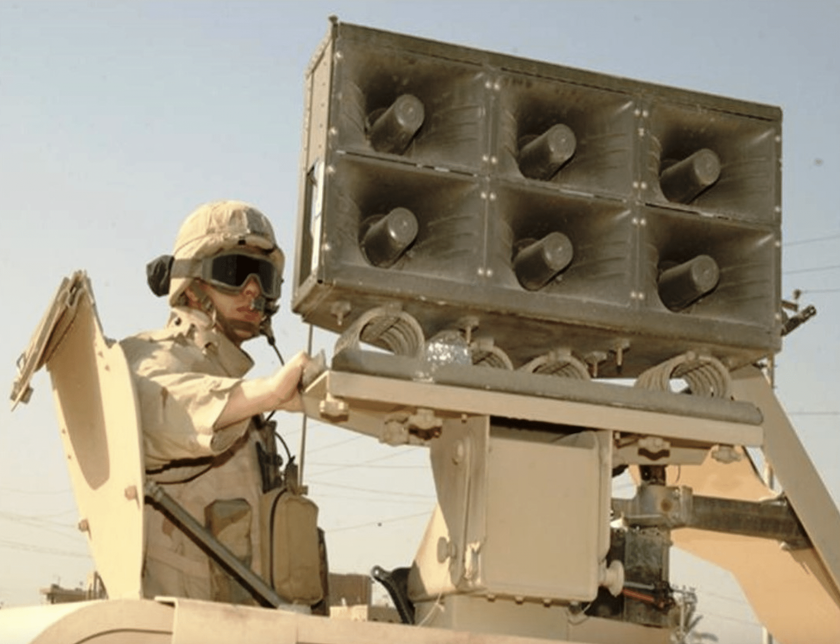
Episode 116 of the Irregular Warfare Podcast explores the role of Special Operations Forces (SOF) in influence activities, featuring insights from Professor Martijn Kitson and Major General Ron Smits. The guests discuss the value proposition of SOF in influence operations, emphasizing their ability to integrate various capabilities for maximum effect.
Bridging the Gap: Why Conventional Forces Need Irregular Warfare Training
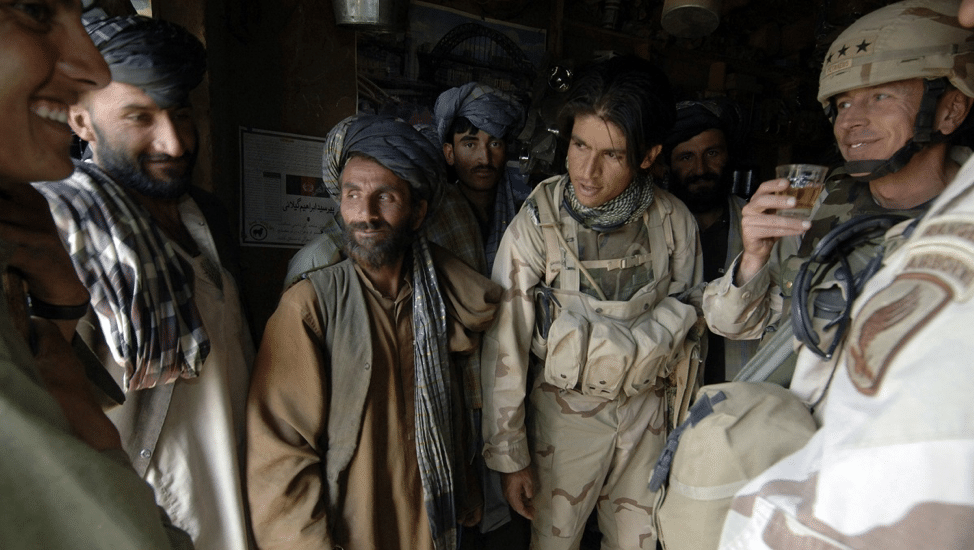
The Army is undergoing a major transition as it refocuses toward its pacing threat and modernizes for Large Scale Combat Operations (LSCO) against a near-peer adversary. In preparing for this future possibility, it should not forget the lessons of the past 20 years nor fall into the post-Vietnam
Partners in Peril: Hybrid Threats Come for Jordan
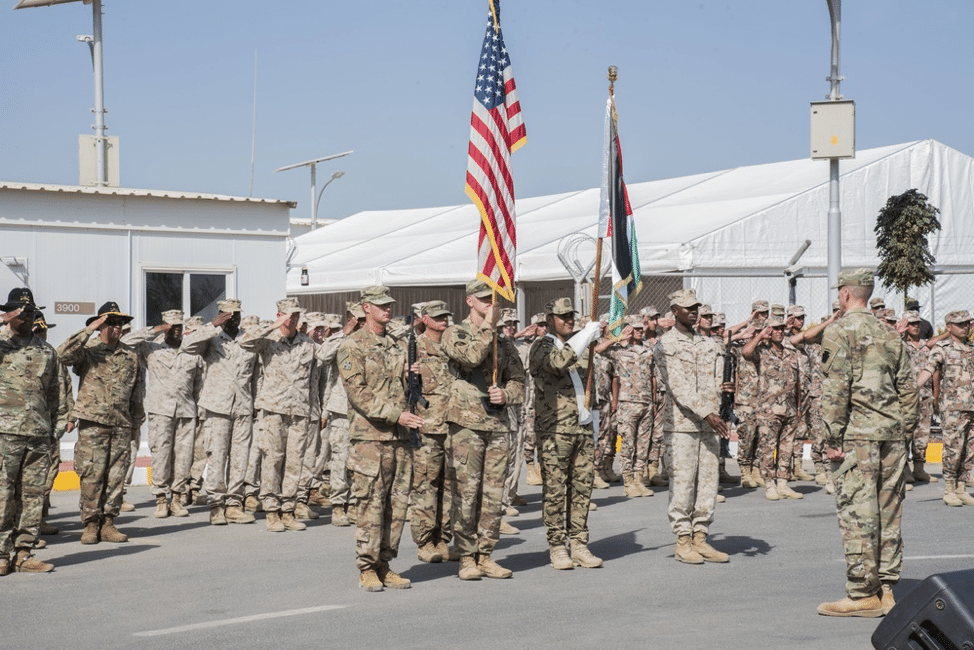
This article is part of Project Proxies and Partners, which explores the promises and pitfalls of security cooperation in war, at peace, and in between. We invite you to contribute to the discussion, explore the difficult questions, and help influence the future of proxies and partners. Please contact us if
Applications For The 2025 IWI Non-Resident Fellowship Are Now Open!
We are looking for the next group of scholars and practitioners who are committed to IWI's foundational mission. If you are committed to bridging the gap between irregular warfare scholars and practitioners, we encourage you to apply. Fellows' obligations include bimonthly virtual participation in engagements with senior
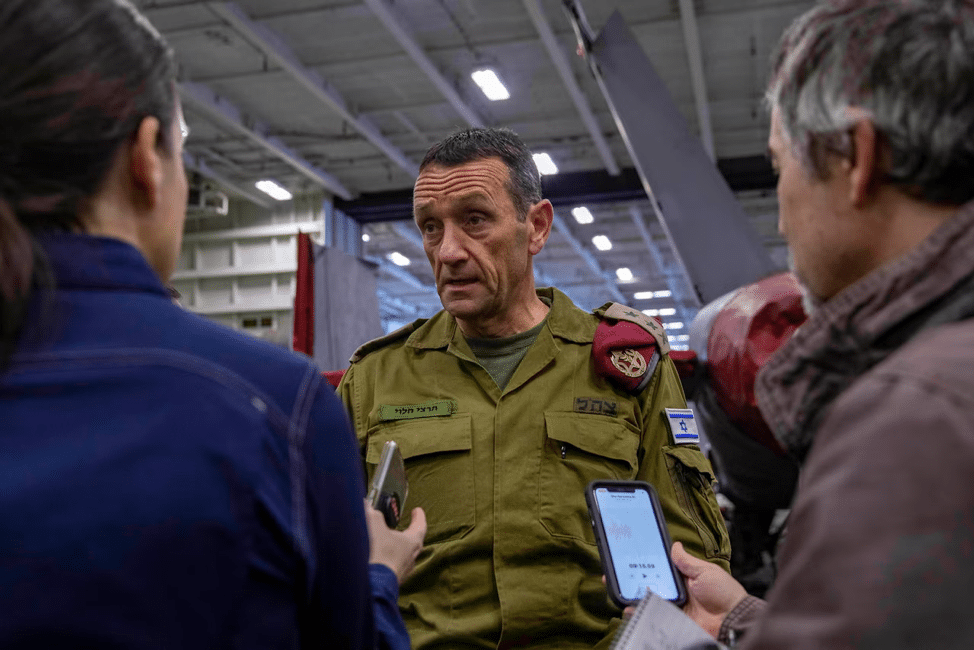
Decapitating The Hydra: Iran’s Response Options To Israel’s Offensive
Israel’s recent decisive operations targeting Hamas, Lebanese Hezbollah (LH), and the Houthis signal a bold attempt to dismantle Iran’s proxy networks. These strikes raise critical questions about Tehran’s response options in the context of irregular warfare. For Iran, these groups form the backbone of its regional influence,

Call for Submissions: Policy Recommendations for the New Administration
When a new American president takes office on January 20th, they will confront a dangerous national security environment shaped by Irregular Warfare (IW) challenges. From cyber warfare and gray zone conflicts to terrorism and insurgency, these challenges demand immediate, actionable solutions. The Irregular Warfare Initiative invites you to contribute fresh,
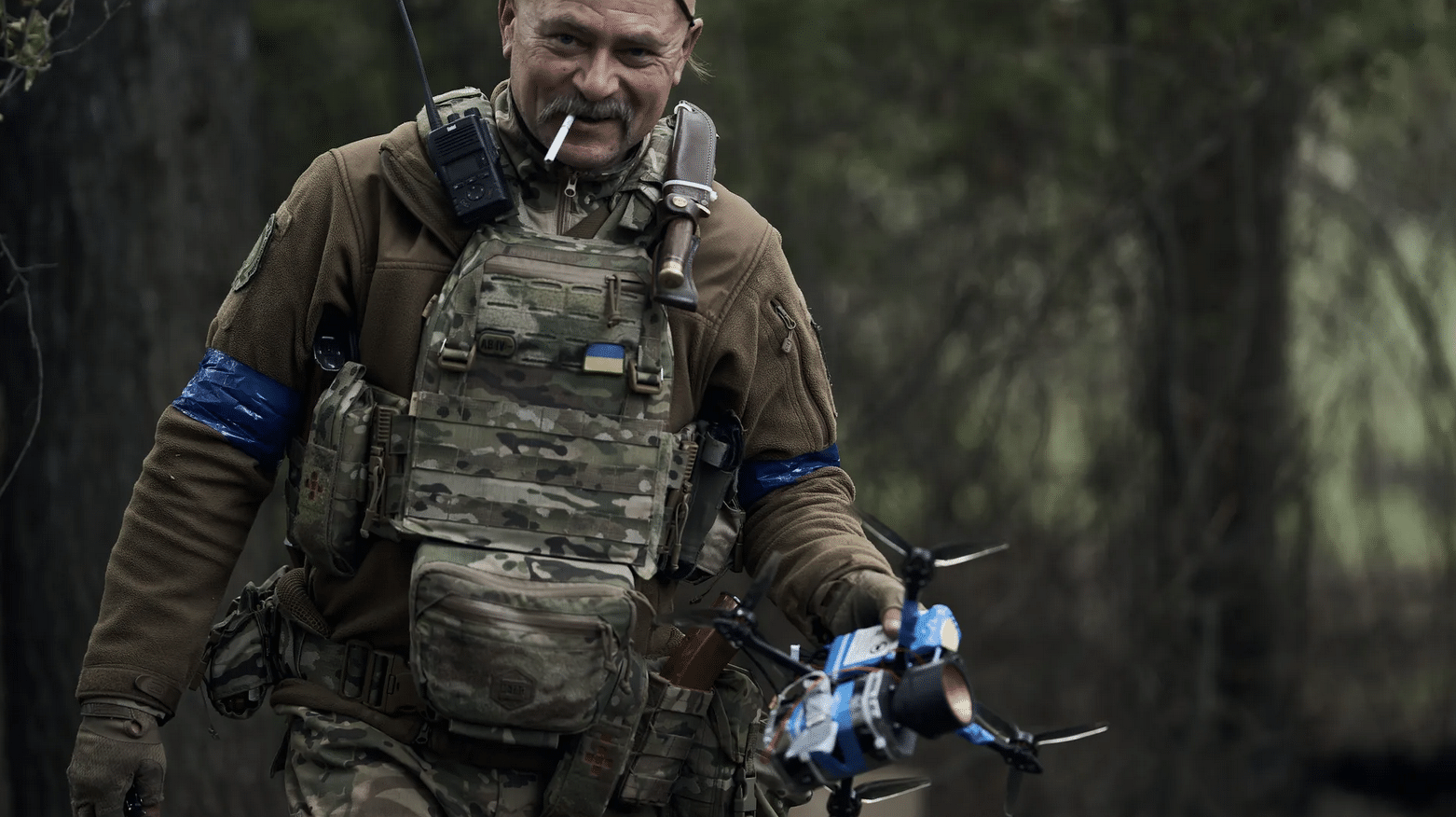
DIU: Silicon Valley Meets the Modern Battlefield
Episode 114 – DIU: Silicon Valley Meets the Modern Battlefield Episode 114 examines the formation of the Defense Innovation Unit (DIU) and its mission to integrate Silicon Valley technology within the Department of Defense innovation sphere. The guests are the co-authors of Unit X: How the Pentagon and Silicon Valley

Boxing with Shadows: Drawbacks in US Counterstrategies Against the Iranian Islamic Revolutionary Guard Corps and Russian Wagner Group
This article is part of Project Proxies and Partners, which explores the promises and pitfalls of security cooperation in war, at peace, and in between. We invite you to contribute to the discussion, explore the difficult questions, and help influence the future of proxies and partners. Please contact us if

Shining a Light: Highlighting Successes in US Counterstrategies Against the Iranian Islamic Revolutionary Guard Corps and Russian Wagner Group
This article is part of Project Proxies and Partners, which explores the promises and pitfalls of security cooperation in war, at peace, and in between. We invite you to contribute to the discussion, explore the difficult questions, and help influence the future of proxies and partners. Please contact us if
Bridging the gap between irregular warfare scholars, practitioners, and policymakers.