Articles
Our articles cut through the noise on irregular warfare to connect strategic theory to operational reality and translate complexity into insight for practitioners and policymakers. No time to read? Check out our podcast, "Insider: Short of War," which transforms our articles into concise, engaging audio pieces you can listen to anywhere. Available directly in most of our articles and on Apple Podcasts, Spotify, and all major platforms.
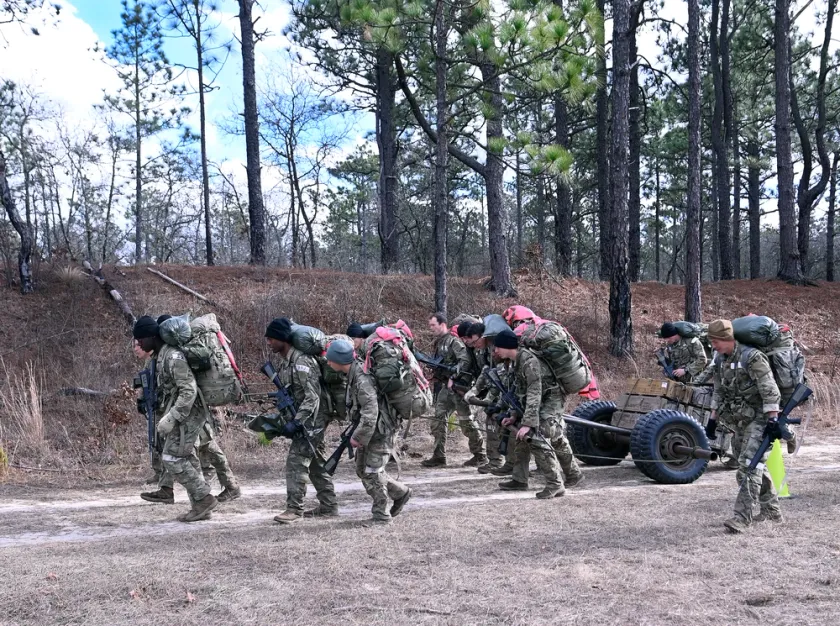
Assessing Special Operations Forces (SOF) 2040 (Part 1): The Operator Is the Platform
Editor’s Note: this article is being republished with the permission of Small Wars Journal as part of a republishing arrangement between IWI and SWJ. The original article was published July 13, 2026 and is available here. Series Introduction This is the first installment in a four-part series examining
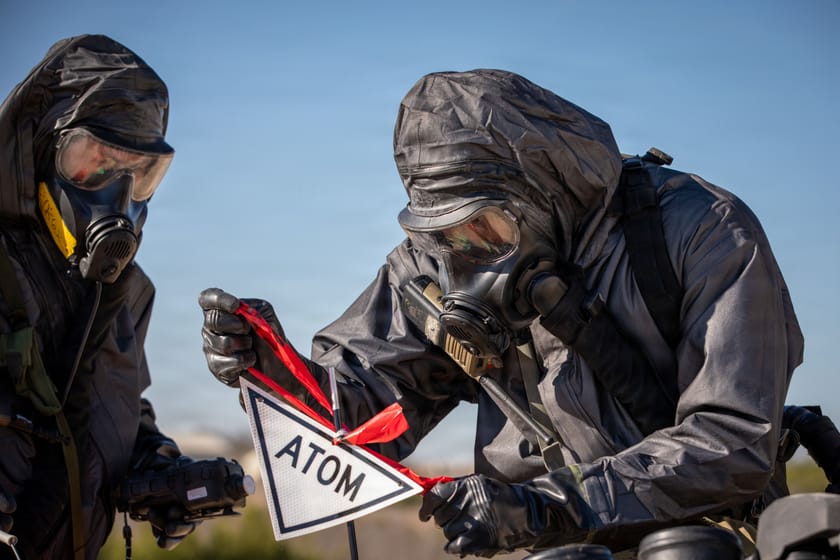
What Makes a Weapon Too Horrific to Use?
Editor's note: The "Short of War" Podcast discussing this article is AI-generated. Rules governing warfare are nearly as ancient as warfare itself. In the Iliad, Achilles loses favor with the gods and invites his own destruction by abusing Hector’s corpse. In 1139, the Second
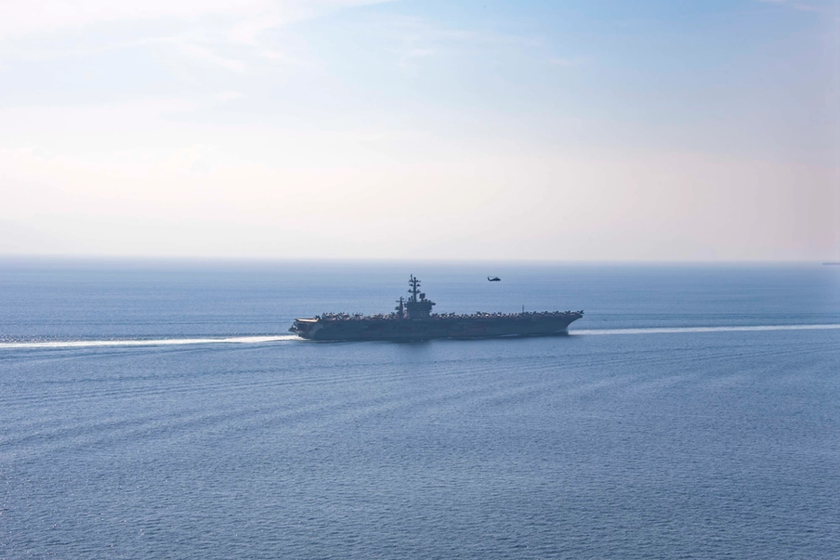
Floating Liabilities: Aircraft Carriers in the Age of Precision Strike and Irregular Warfare
Editor's note: The "Short of War" Podcast discussing this article is AI-generated. In mid-March 2026, satellite imagery confirmed what many defense analysts had long feared: the USS Gerald R. Ford and USS Abraham Lincoln carrier strike groups had quietly abandoned their forward offensive positions
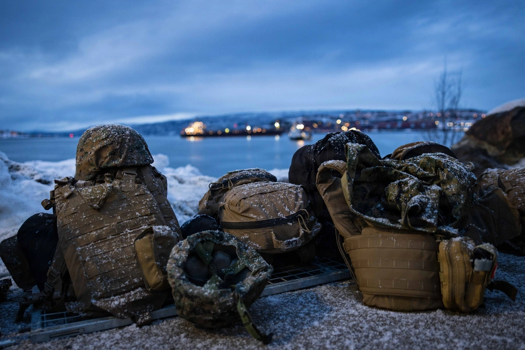
Thin Margins, Strategic Effects: Irregular Warfare and Contested Logistics in the Arctic
Alaska’s concentrated logistics are vulnerable to below-threshold irregular warfare from Russia and China. Building civil-military resilience and dispersing supply capacity can secure Arctic deterrence before a crisis hits.
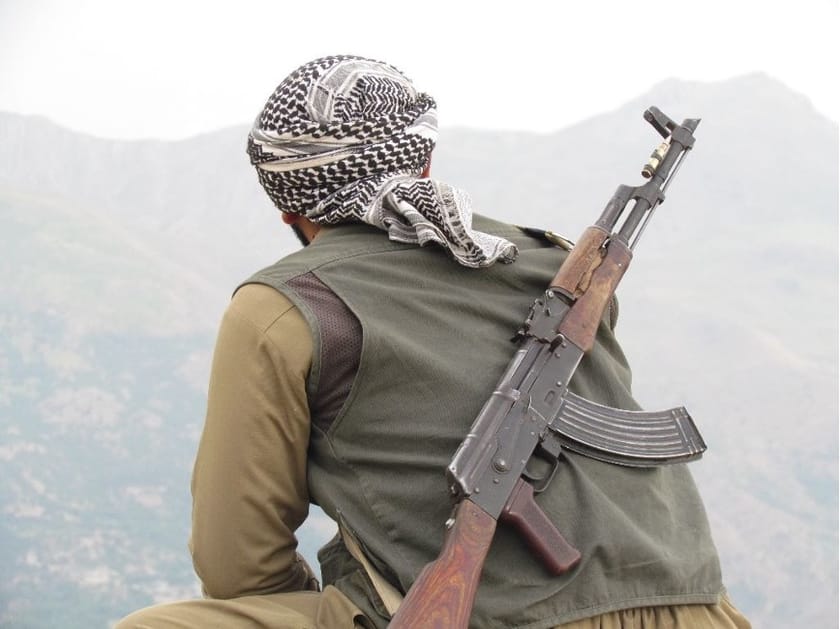
Kurdish Underground Resistance and Civil Disobedience Against the Iranian Security State
Editor's note: The "Short of War" Podcast discussing this article is AI-generated. When the Iranian security state unleashed its typical playbook of repressive policing and internet blackouts in early 2026, the Islamic Republic aimed to asphyxiate the uprising. To the contrary, IWI interviews from Iraqi
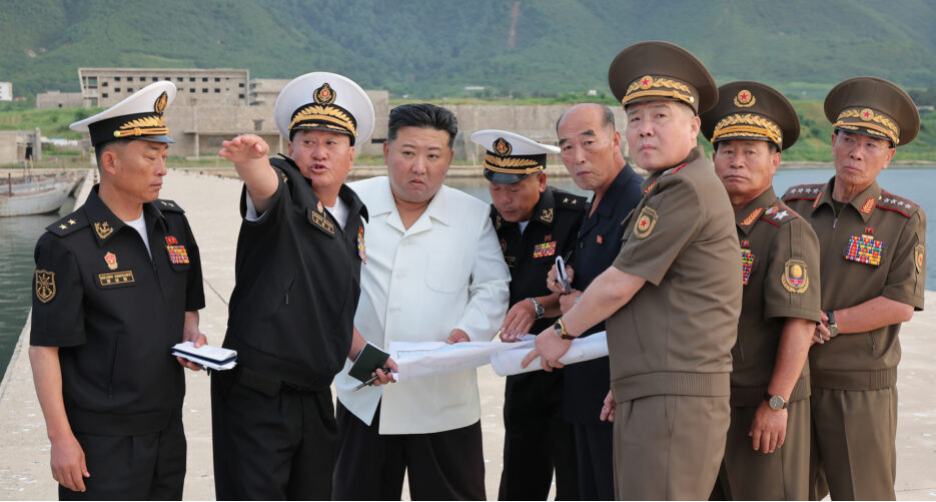
Gray Zone Contestation Between North and South Korea in the Yellow Sea
Editor's note: The "Short of War" Podcast discussing this article is AI-generated. While global chaos mounts with lingering conflict in the Middle East, Russia’s war in Ukraine, and shifting U.S. strategic priorities, the risk is not only escalation in active theaters but opportunism

Information Disorder and Irregular Warfare: Three Things to Know
Editor's note: The "Short of War" Podcast discussing this article is AI-generated. When U.S. and Israeli forces launched Operation Epic Fury on February 28, 2026, a parallel war began online. This battle is being fought not with bombs or drones, but with deepfakes and
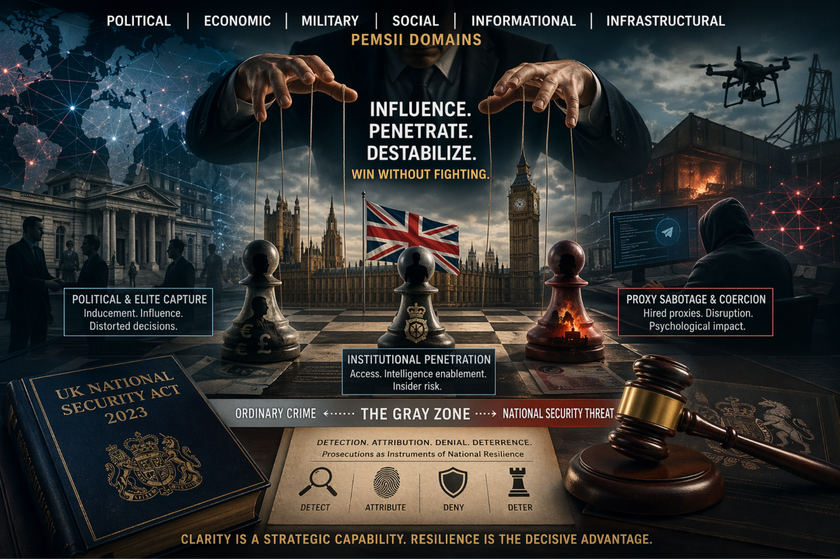
Ordinary Crime, Hybrid Threat, or Irregular Warfare?
Adversaries target PEMSII domains through coordinated hybrid campaigns, yet the UK legal system risks fragmenting this conduct into isolated offenses. This analysis shows why coherent framing is a vital strategic capability for national resilience.
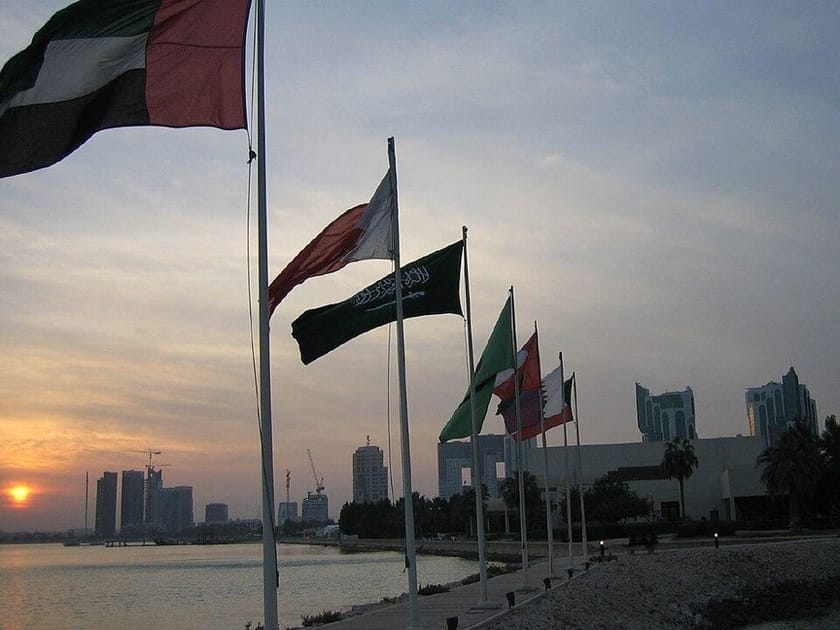
Between Scylla and Charybdis: The Gulf’s Irregular Tomorrow
As U.S. security guarantees in the Arabian Gulf face unprecedented strain, regional states must confront a resilient or fragmented Iran alone. This analysis outlines the strategic shift toward an indigenous, "Arabia-First" framework to counter persistent, below-threshold irregular threats.

IWI’s Summer 2026 Reading List
The Irregular Warfare Initiative (IWI) provides a reading list curated by its leadership and editors. It features a diverse mix of fiction and nonfiction spanning irregular warfare, history, memoirs, and sci-fi, tailored for leisure reading, long travel, or upcoming academic preparation.
Bridging the gap between irregular warfare scholars, practitioners, and policymakers.