Articles
Our articles cut through the noise on irregular warfare to connect strategic theory to operational reality and translate complexity into insight for practitioners and policymakers. No time to read? Check out our podcast, "Insider: Short of War," which transforms our articles into concise, engaging audio pieces you can listen to anywhere. Available directly in most of our articles and on Apple Podcasts, Spotify, and all major platforms.

Determining the True Extent of Terrorism’s Existential Threat
The apocalyptic cult Aum Shinrikyo sought to ignite a cataclysmic war between the United States and the Soviet Union. Asahara Shoko, the cult’s leader, believed Aum would incite the apocalypse, and he would emerge from the wreckage of humanity as a new Jesus Christ. This belief motivated Aum’s
A Backdoor Call to Arms: Foreign Fighters in National Defense
If you believe that activating irregulars, militias, and mercenaries to augment the security arm of the state is a dreadful policy idea, you are having a good year. The spectacle of the late Yevgeni Prigozhin and his quasi-rogue Wagner Group fighting externally and then threatening internally, is a chilling
Sneaky War: How to Win the World Without Fighting
China. Russia. Iran. Everywhere you look, there’s talk of war. Some call it the “Thucydides Trap,” while others worry bellicose hotheads will drag us into World War III. People are nervous. Concern over China’s growing belligerence is the one issue that still unites Democrats and Republicans, as hearings
SOF Can Help Win the Competition for Influence in South America
The United States faces growing challenges from the People’s Republic of China (PRC) in South America, and US Special Operations Forces (SOF) are often at the center of this competition. The National Security Strategy states, “Recognizing the direct link between the region’s prosperity and security and that of
Three Proposals to Raise the Profile of Irregular Warfare (Book Review)
Those who want to see US performance improve in execution of population influence campaigns would do well to read The American Way of Irregular War: An Analytic Memoir by retired General Charles Cleveland, with research and cowriting from Daniel Egel. According to the authors, these Population-Centric Conflicts, or PCCs,
How to Think about Proxy Wars in the Twenty-first Century
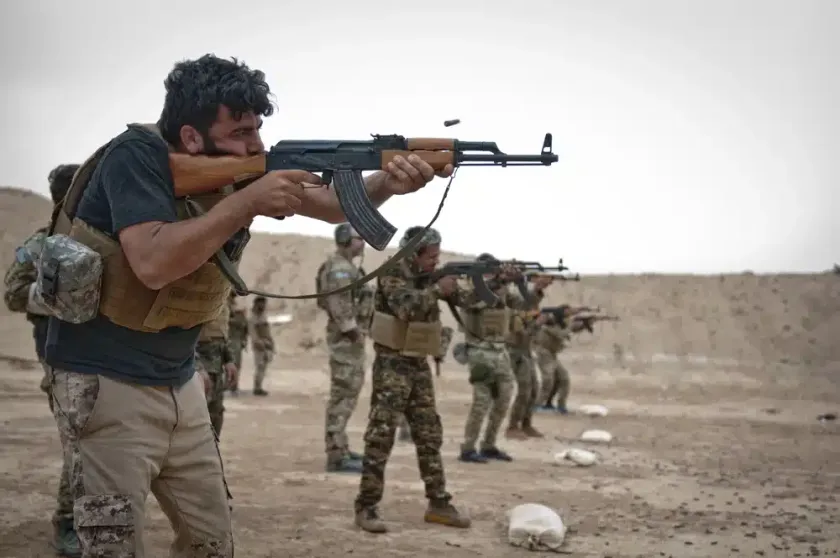
The recently published Routledge Handbook of Proxy Wars invites a reconsideration of the transformation of proxy wars, from ostensible Cold War relic to reality of war and warfare in the twenty-first century. As one of the editors of the handbook, I offer some reflections on the thinking behind the
For More Effective Irregular Warfare, Bring Back the MAVNI Recruitment Program
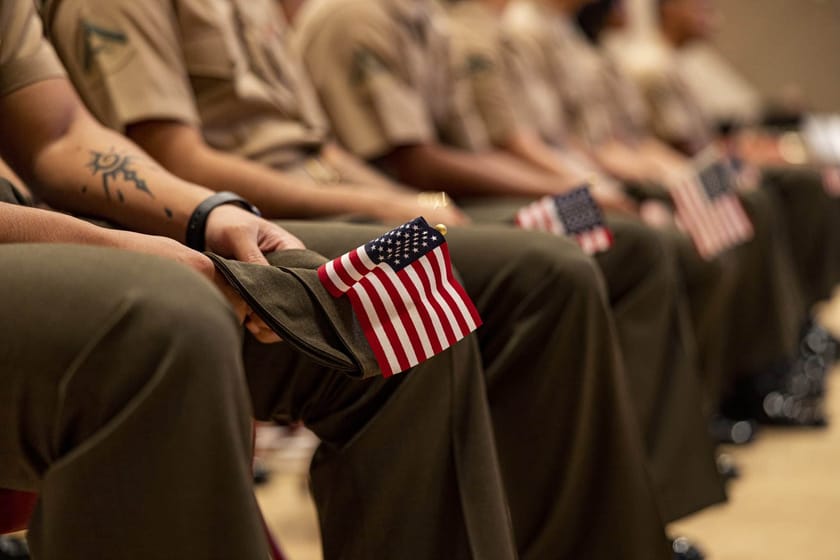
With an annual budget in excess of $300 million and an immersive, full-time approach to instruction, the Defense Language Institute is rightly regarded as one of the nation's premier foreign language instruction programs in rigor and throughput. But how effective is that world-class language training when
How to Win with Data: The US SOF-Cyber Partnership Supporting Ukraine
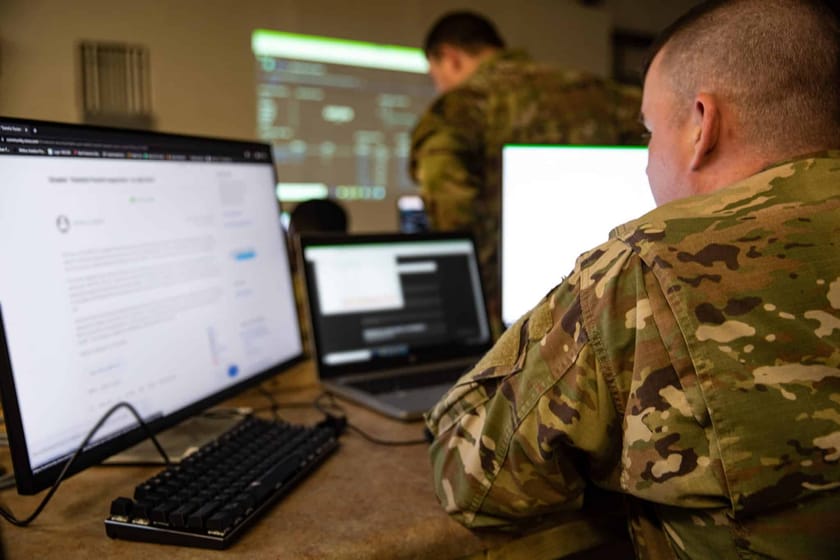
Winning the information war has been a strategic enabler for Ukraine since the Russian offensive began on February 24, 2022. Shortly after the invasion, various entities in Ukraine began systematically flooding Western news and social media with highlights of Ukrainian national resistance and tactical successes. These stories were sometimes false
Rethinking Counterinsurgent Force Design and Employment
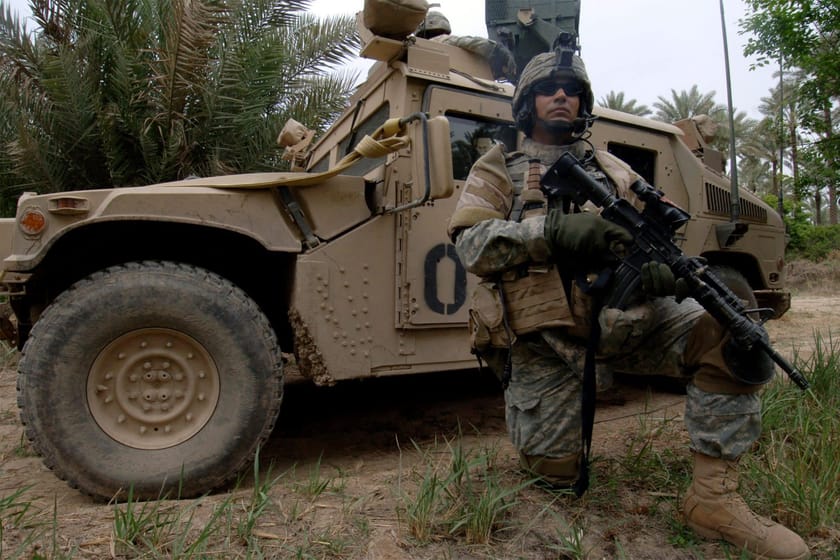
Ryan C. Van Wie States rarely predict what their next war will look like. However, the choices they make regarding their military force structure have a lasting impact on their capabilities in future conflicts. This is clearly seen in the case of Russia, where systematic weaknesses in force structure, including
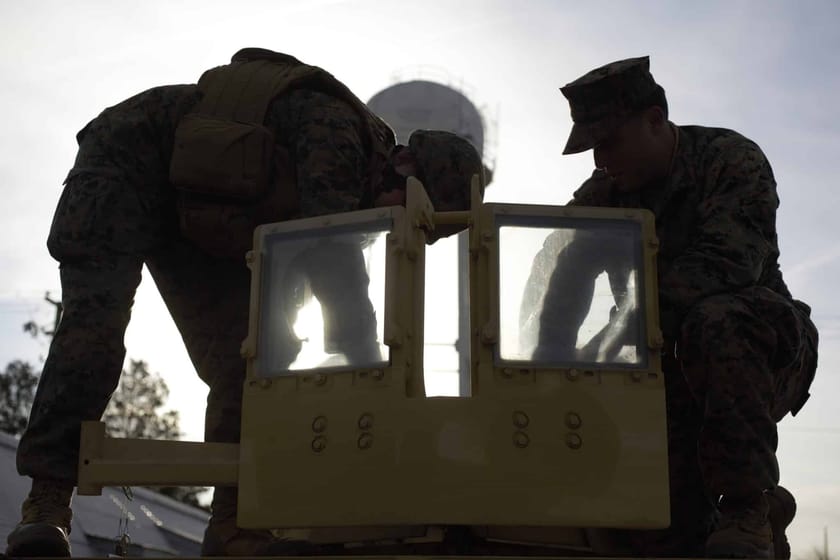
Reaching the Tipping Point: Lessons from Combining Kinetic and Information Operations
Iain Cruickshank, Kirk Windmueller, and Matt Benigni This article is part of a series hosted by Maj. Iain Cruickshank, Ph.D., that explores the idea of combining cyber operations with information operations to produce effects well beyond what each capability can accomplish alone. One dark night in a far-off
Bridging the gap between irregular warfare scholars, practitioners, and policymakers.