Economic & Legal Warfare

Examining the non-traditional tools of conflict—economic warfare, lawfare, influence operations, and societal pressure—that define the expanding gray zone between war and peace.

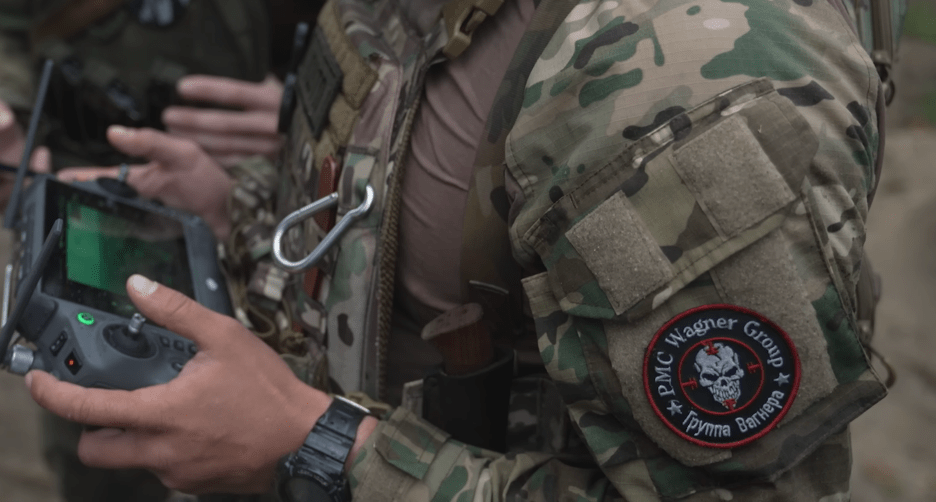
Commercial Pathways and Proxy Power: How Irregular Forces Acquire Advanced Capabilities

In June 2024 Italian customs officials opened shipping containers labeled "wind turbine parts" bound for Libya. Inside were disassembled components for Chinese Wing Loong II drones—the same systems UN investigators had forensically linked to the January 2020 Tripoli military academy strike that killed twenty-six cadets. Four years

Geoeconomics of Irregular Warfare: Iran and the Global Ripple Effects — Part IV

In Part Four of Irregular Warfare Initiative’s special series examining the unfolding conflict with Iran, Hamlet Yousef (National Security Investor/ IWI Economic & Legal Warfare Advisor), Ioannis Koskinas (CEO, Hoplite Group), and Tom Johansmeyer (Co-Director, IWI Economic & Legal Warfare Team) analyze the shifting geoeconomic landscape of the conflict

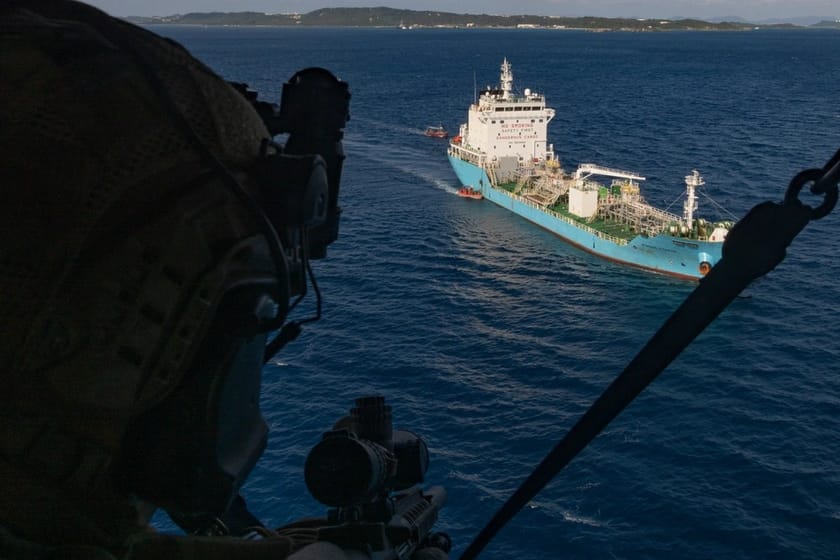
The Insurance Weapon: How Commercial Risk Logic Became an Irregular Warfare Tool at Hormuz

Before Iran laid mines in the Strait of Hormuz and before the IRGC began striking tankers with drones, the strait had already been effectively closed. Within 48 hours of coordinated U.S.–Israeli airstrikes on Iran on February 28, 2026, war risk premiums surged fivefold, major marine insurers terminated existing

Geoeconomics of Irregular Warfare: Iran and the Global Ripple Effects — Part III

In Part Three of Irregular Warfare Initiative’s special series examining the unfolding conflict with Iran, Hamlet Yousef (IWI Economic & Legal Warfare Advisor) and Ioannis Koskinas (CEO, Hoplite Group) unpack the conflict's geoeconomic dimensions and the ripple effects extending across global markets and strategic competition. Moderated by

Friendly Cyber Fire: How Much Did NotPetya Cost Russia?

In June 2017, a cyber attack spread malware across government, utilities, commercial, and financial websites across Ukraine and more than 60 other countries. In February 2018, the UK and US governments attributed the attack, since dubbed "NotPetya," as a Russian military operation. It’s been called (perhaps hyperbolically)

Geoeconomics of Irregular Warfare: Iran and the Global Ripple Effects — Part II

In Part Two of Irregular Warfare Initiative’s special series examining the unfolding conflict with Iran, Hamlet Yousef (IWI Economic & Legal Warfare Advisor), Ioannis Koskinas (CEO, Hoplite Group), and Mark Kelton (Former Senior Executive Service Officer, CIA) discuss the geoeconomic dimensions of the conflict and the broader ripple effects

Geoeconomics of Irregular Warfare: Iran and the Global Ripple Effects

✉️ Email header below is auto-generated from this post’s author tag. It only appears in the newsletter — please don’t edit or delete it. In the first session of the Irregular Warfare Initiative’s Economic and Legal Warfare series, Matthew Flug (Co-Director, IWI Economic & Legal Warfare), Hamlet Yousef (Irongate

Venezuela Unbound: Economics & Influence in a Post Maduro Era

In this episode, Matthew Flug (Co-Director, IWI Economic & Legal Warfare) and Hamlet Yousef (Irongate Capital Advisers) host a roundtable on the immediate aftermath of Maduro’s removal in Venezuela and what it could mean for regional power dynamics, economic stabilization, and irregular competition in the Western Hemisphere. Joining him

Choke Points: Critical Minerals and Irregular Warfare in the Gray Zone

Introduction In the situation rooms of Washington and the chancelleries of Europe, the future of warfare is often visualized as a contest of high-velocity hardware: the silent glide of a hypersonic vehicle, the swarm logic of autonomous drones, or the cryptographic shield of quantum computing. Yet, this fixation on the

CFIUS: Thinking Creatively About National Security

A solar farm. A pork facility. A hotel. A dating app. These things might not seem like they are connected, but they have more to do with national security than one might think. Foreign entities have been steadily acquiring American land and intellectual property for decades, quietly building leverage that

Showing of 26 posts

Bridging the gap between irregular warfare scholars, practitioners, and policymakers.

Stay in the Loop

Subscribe for the latest articles, podcasts, and events.

Subscribe

The Economic and Legal Warfare (ELW) Project explores and illuminates the non-traditional tools of conflict that come with a vastly expanded domain of operations. The expansion of security strategy beyond orthodox military perspectives over the past 30 years has led to a larger and more complex battlespace, which now includes political, economic, legal, societal, cognitive and psychological vulnerabilities. Conventional military confrontation is now part of a broader toolkit, and much of that expanded toolkit remains in its infancy.

Irregular warfare thrives in the “gray zone” between war and peace. The ELW project takes a close look at the current use and future potential associated with influence and information operations, new forms of economic warfare and lawfare, and innovative approaches to societal influence and pressure. While not solely a military concept, Joint Publication 1, Doctrine for the Armed Forces of the United States, outlines the Diplomatic, Informational, Military, and Economic (DIME) model, emphasizing the interconnected nature of these instruments in achieving national security objectives. The “economic domain,” in particular, remains an underutilized yet decisive factor in shaping adversarial behavior, reinforcing its role as a critical complement to military power in modern conflict.

These hybrid methods align with irregular warfare’s emphasis on shaping the entirety of the operational environment – weakening opponents and achieving goals through disruption, influence, and manipulation. Recognizing and countering such tactics is crucial as state and non-state actors increasingly challenge stronger adversaries while necessarily avoiding the costs and risks of conventional war.

Our project is aligned around the following topics:

  • Sanctions & Embargoes (Trade Controls)
  • Inbound & Outbound Investment Security Regimes
  • Tactical Economic Warfare Supply Chain
  • Weaponizing Aid & Contingent Capital
  • Natural Disasters and the Nexus of Economic and Information Influence (“Disaster Diplomacy”)
  • Agricultural & Food Security
  • Dual Use Technology in Action
  • Natural Resources & Critical Minerals

Meet the Team

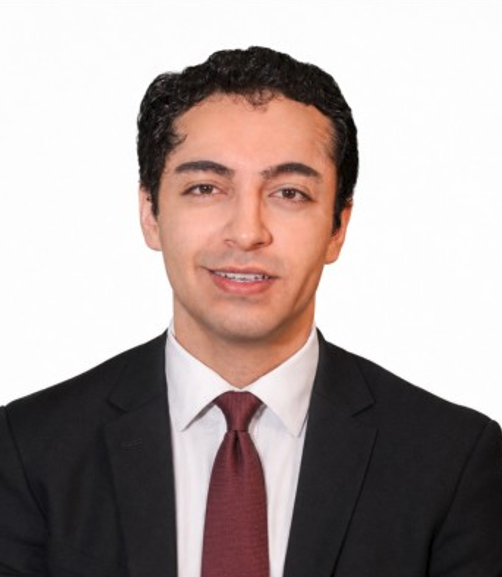
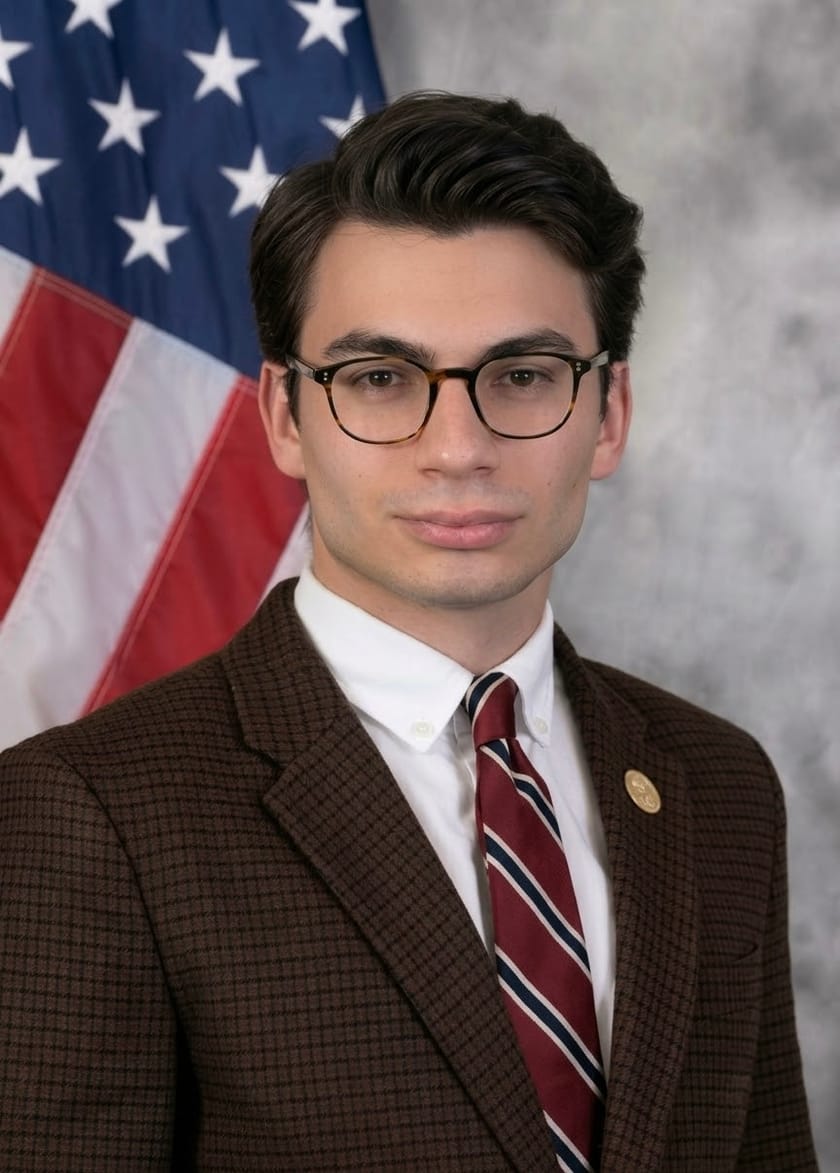
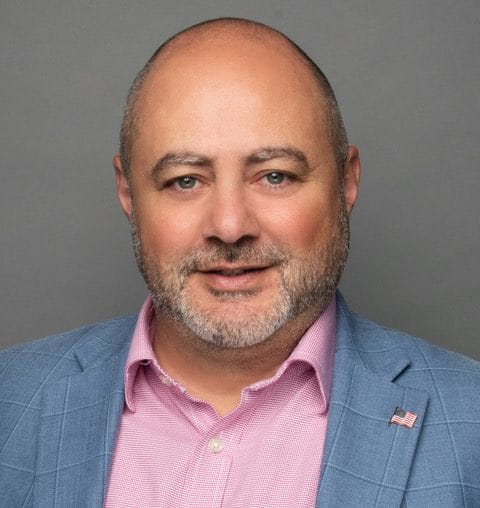
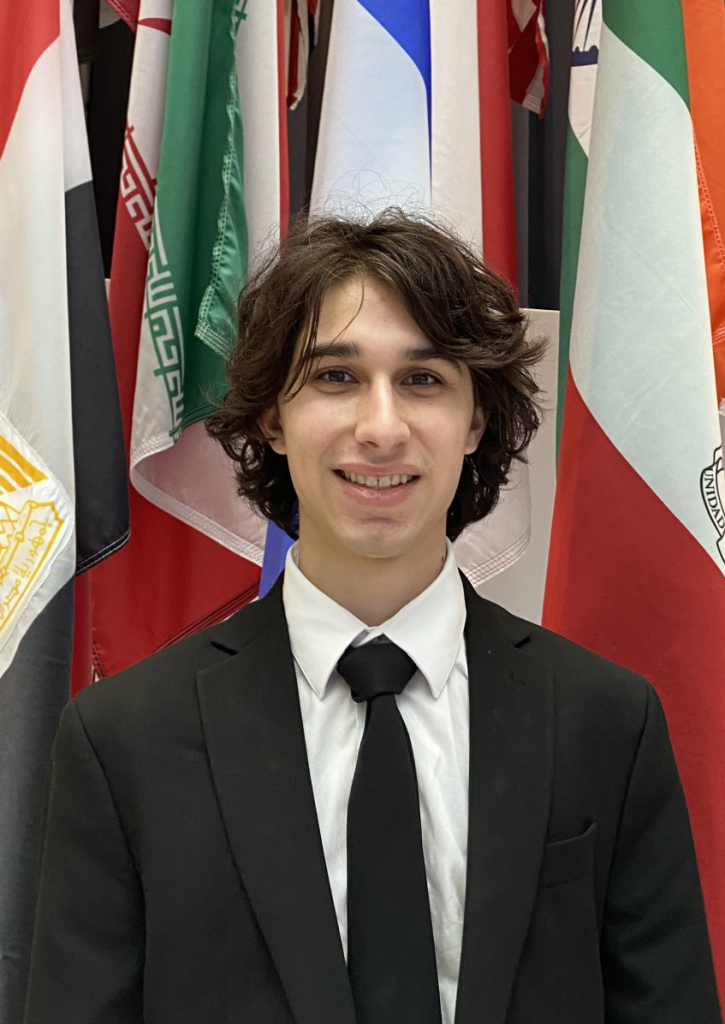
Matthew Flug Matthew Flug General Counsel, Co-Director, Economic & Legal Warfare
Tom Johansmeyer Tom Johansmeyer Co-Director, Economic & Legal Warfare
Eric Lebson Eric Lebson Advisor, Economic & Legal Warfare
Erik Bethel Erik Bethel Advisor, Economic & Legal Warfare
Hamlet Yousef Hamlet Yousef Advisor, Economic & Legal Warfare
Kipling “Kip” Kahler Kipling “Kip” Kahler Advisor, Economic & Legal Warfare
Matt McCabe Matt McCabe Advisor, Economic & Legal Warfare
Patrick Sweeney Patrick Sweeney Private Sector Engagement, Economic & Legal Warfare
Zayd Haufe Zayd Haufe Intern, Economic & Legal Warfare