Articles
Our articles cut through the noise on irregular warfare to connect strategic theory to operational reality and translate complexity into insight for practitioners and policymakers. No time to read? Check out our podcast, "Insider: Short of War," which transforms our articles into concise, engaging audio pieces you can listen to anywhere. Available directly in most of our articles and on Apple Podcasts, Spotify, and all major platforms.
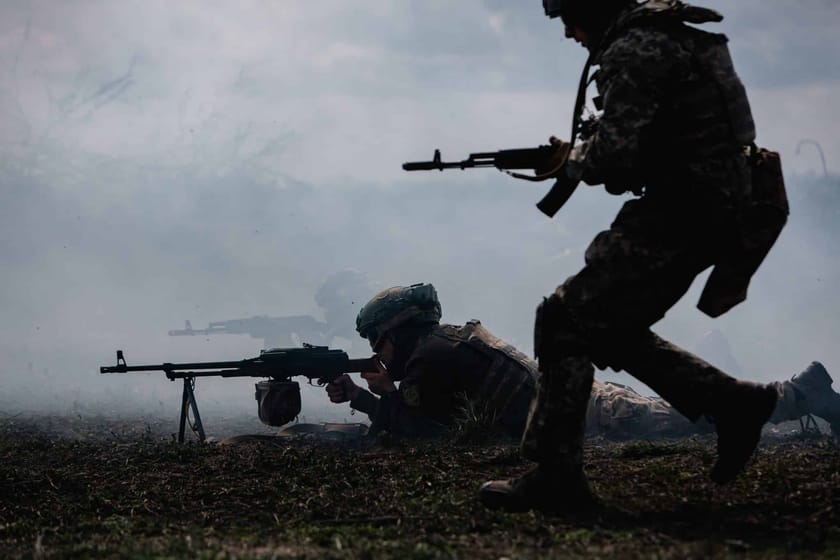
Welcome to the Resistance: Call for Papers—SOF in Competition
Team Resistance – SOF in Competition To launch the Project the Resistance Team will take center stage! Welcome to the Resistance strand within the SOF in Competition project, we are setting out an initial agenda for the global IW community of practice. We want to drive debate around issues that range
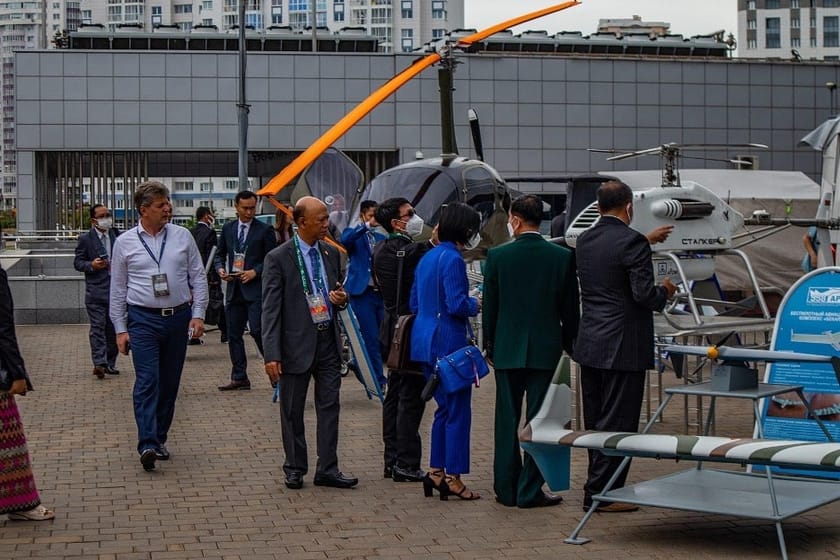
Burma's Quest for Drone Supremacy: A Cautionary Tale
Editor’s note: This article is part of Project Air Power, which explores and advocates for the totality of air, aviation, and space power in irregular, hybrid, and gray-zone environments. We invite you to contribute to the discussion, explore the difficult questions, and help influence the future of air
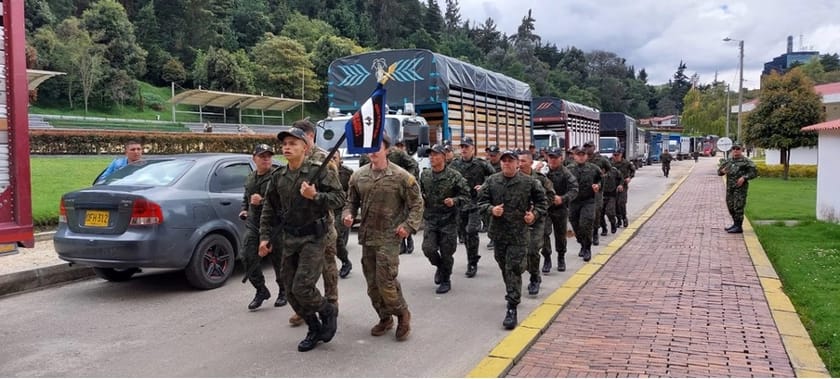
Seize the Advantage: Three Models to Improve Security Cooperation Planning
Winston Churchill famously quipped, “There is only one thing worse than fighting with Allies, and that is fighting without them.” Nearly eighty years later, the Department of Defense echoed Churchill’s logic by declaring Allies and partners as the 2022 National Defense Strategy’s (NDS’) center of gravity and America’
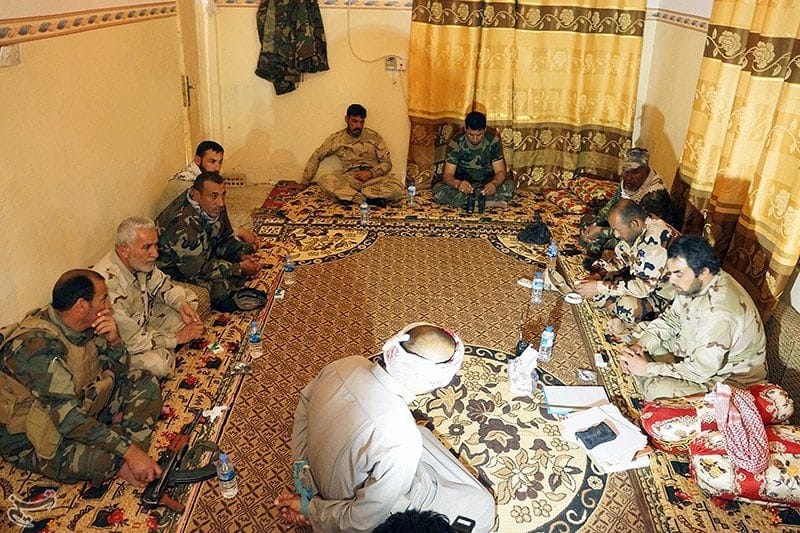
The Peril of Ignoring the Legitimacy of Violent Non-State Actors
Looking around the world today, there is a glaring gap in both national and international approaches to non-state actor violence. There is little engagement with the idea that susceptible populations will come to support, sympathize with, or tolerate insurgency in the absence of credible authorities. Too often, the United
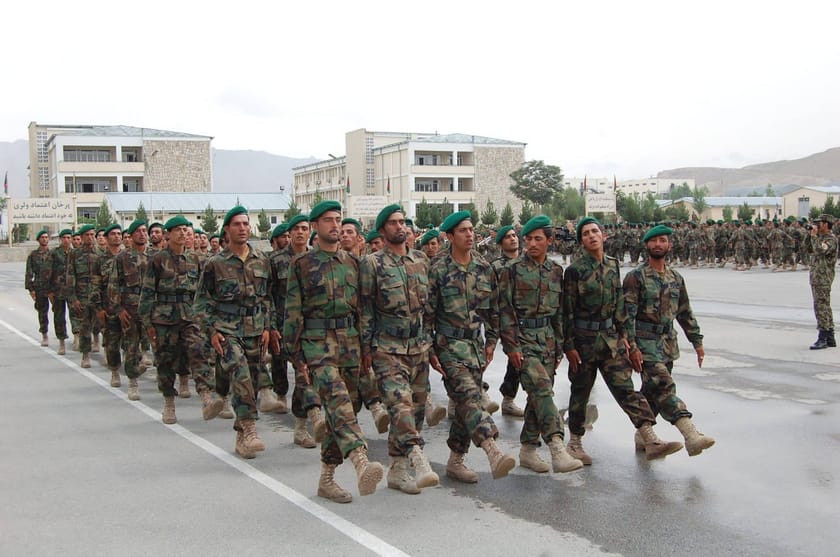
The Cacti and the Grass: The Collapse of Afghanistan's Security Forces
Introduction For those of us who fought, bled, and lost friends in Afghanistan, it is hard to fathom the approaching third anniversary of the American withdrawal on August 30, 2021 and the subsequent collapse of the Afghanistan National Defense Security Forces (ANDSF) soon thereafter. Years later, we are still asking
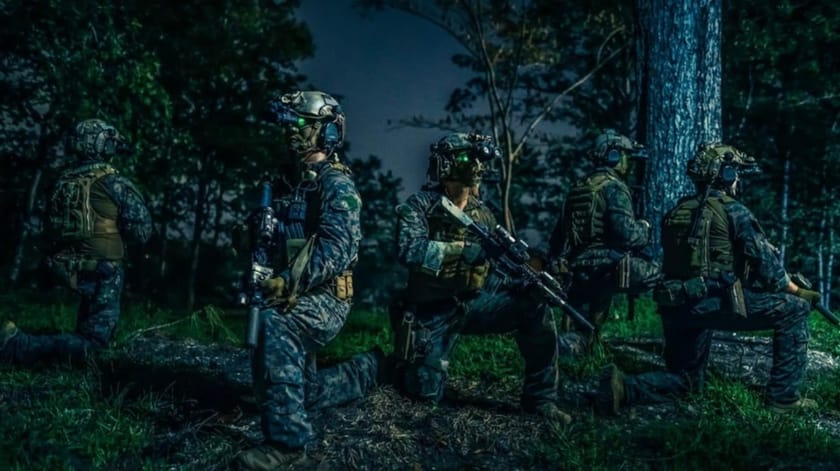
SOF in Competition Special Project Announcement
Marine Raider nighttime training
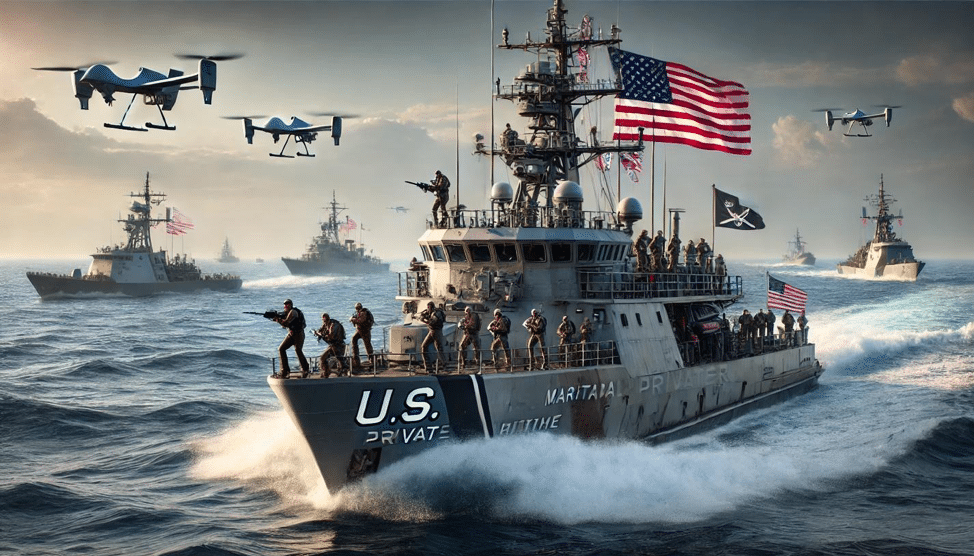
Irregular Warfare at Sea: Using Privateers To Seize Chinese Commerce
Editor’s Note I: This article is part of IWI’s Project Maritime, a series exploring the intersection of irregular warfare and the modern maritime dimension. Focusing on current events and their underlying geographical and historical patterns, we aim to contextualize the drivers of conflict in the maritime domain and
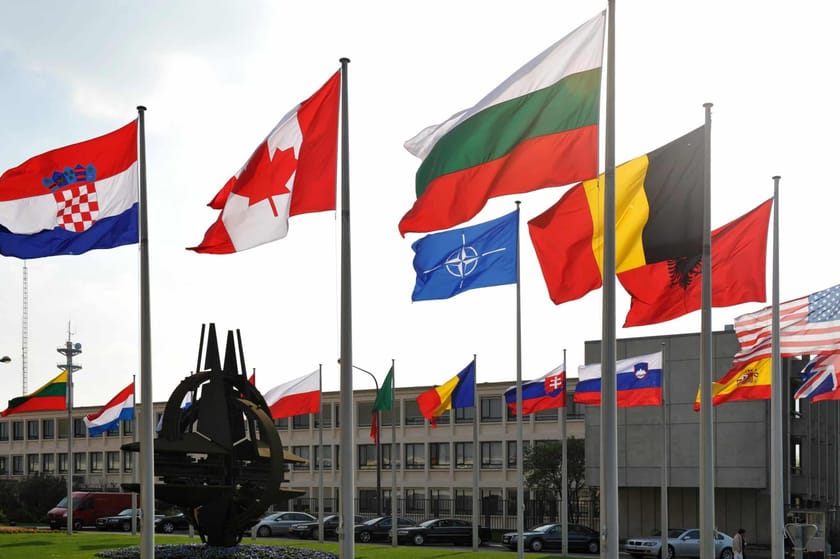
Why IWI Project Europe?
To deter and defend against irregular threats. Editor's note: This article is part of Project Europe which focuses on European and European-adjacent security issues to deter and defend against irregular threats, develop IW knowledge, and advance the American understanding of allied, partner, and competitor practices of IW.
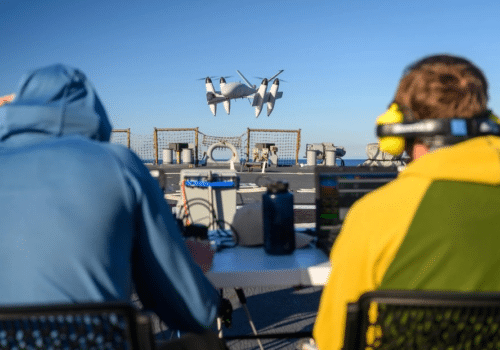
Sailing through the spyglass: The strategic advantages of Blue OSINT, ubiquitous sensor networks, and deception
In this insightful article published by the Atlantic Council's Scowcroft Center for Strategy and Security, IWI Executive Director Guido Torres and co-author Austin Gray explore the revolutionary impact of Blue Open-Source Intelligence (OSINT) on maritime security. "Sailing Through the Spyglass" delves into how advancements
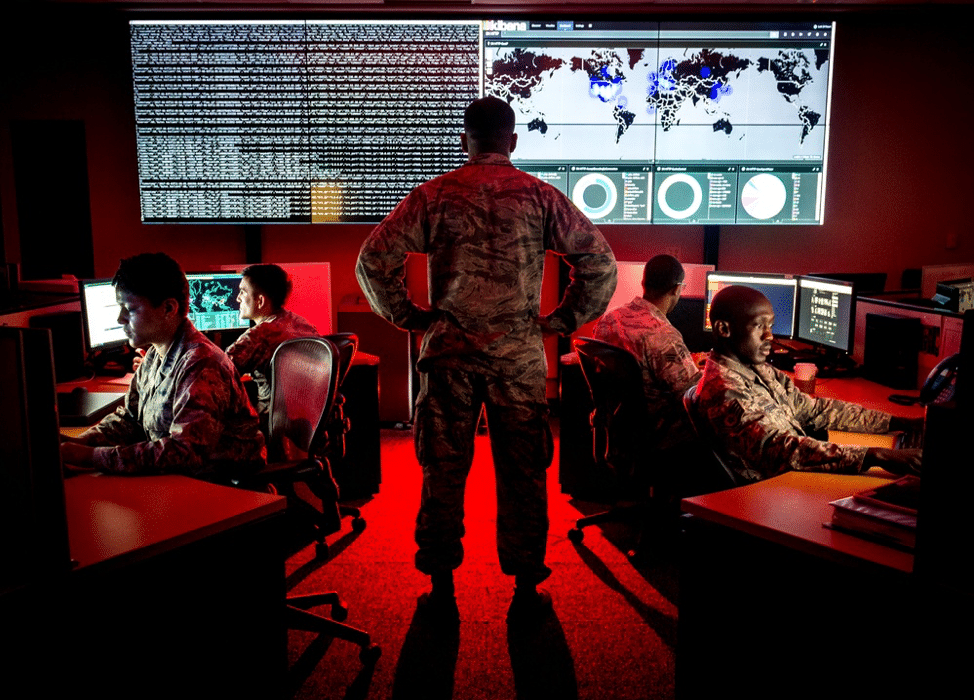
Eroding Global Stability: The Cybersecurity Strategies Of China, Russia, North Korea, And Iran
Editor's note: This article is part of Project Cyber, which explores and characterizes the myriad threats facing the United States and its allies in cyberspace, the information environment, and conventional and irregular spaces. Please contact us if you would like to propose an article, podcast, or event environment.
Bridging the gap between irregular warfare scholars, practitioners, and policymakers.