by Emil Souleimanov, David S. Siroky and Peter Krause
Sometimes, when it comes to civil war and insurgencies, it’s all in the family. Consider the example of Bashar al-Assad, in Syria. Assad appointed family members to prominent military positions to ensure institutional loyalty, while nearly one-quarter of the Western foreign fighters battling against him had a relative fighting in the civil war. Familial bonds play an important role in these types of conflicts: they can enhance the cohesion and resolve of fighting units and the communities from which they emerge. But such bonds can also be a liability, providing crucial pressure points for counterinsurgency efforts.
This Irregular Warfare Initiative article was originally posted through our partner organization, the Modern War Institute at West Point. Continue reading the full article here.
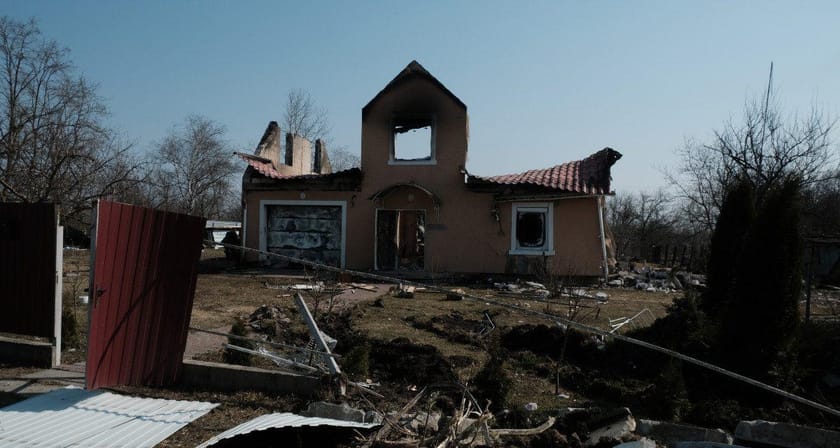
Image credit: Oles_Navrotskyi, via depositphotos.com