IWI Advisor Calls for Targeted Cyber Backstop
Matthew McCabe, IWI’s Economic and Legal Warfare Project Advisor, published a new article in Threat Beat outlining how the U.S. can bolster cyber resilience through a federal reinsurance backstop focused on critical infrastructure sectors. He argues that the insurance market alone cannot absorb catastrophic cyber risk. This is
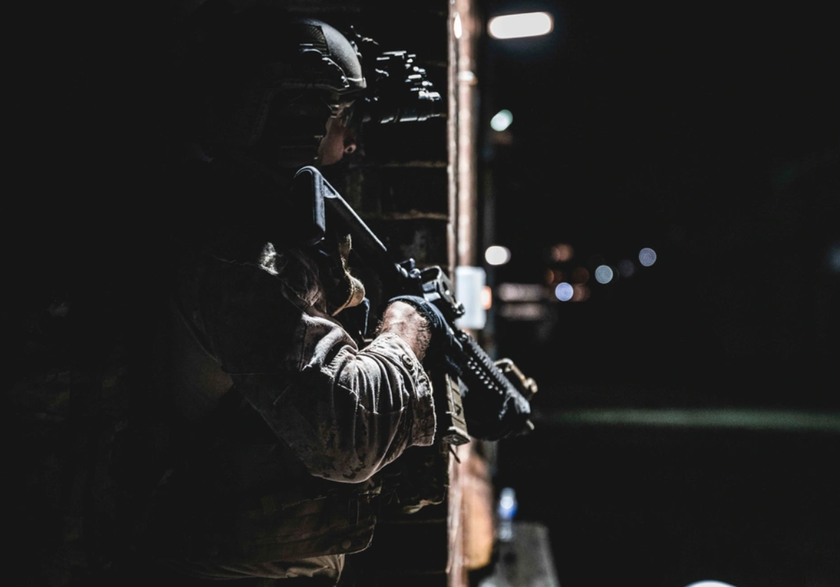
Future of War Part I: Raiders at the Edge of Tomorrow
Episode 135 of the Irregular Warfare Podcast kicks off a four-part series on the future of war, pairing renowned author and futurist August Cole with senior special operations leaders to explore how tomorrow’s conflicts may unfold. Our conversation centers on Cole’s short story Safe Harbor II, which
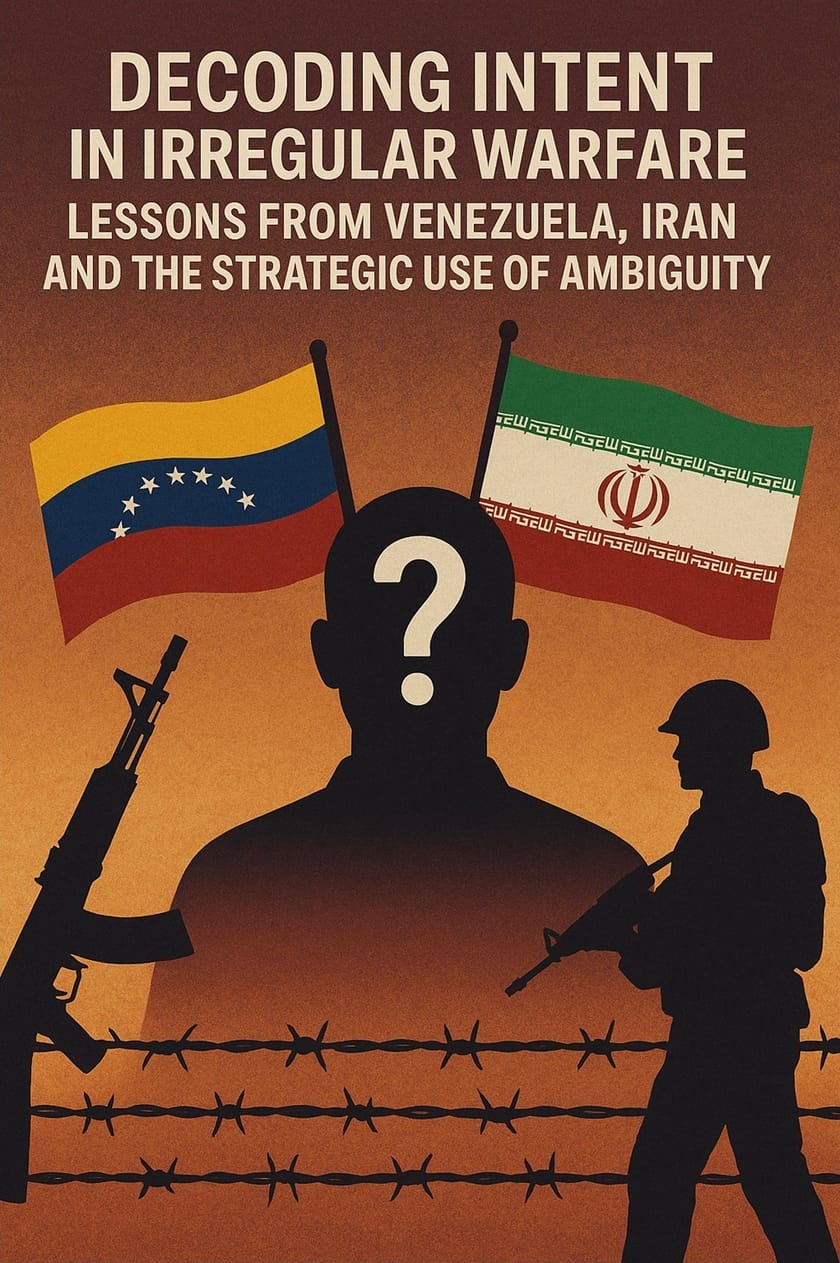
Decoding Intent in Irregular Warfare: Lessons from Venezuela, Iran, and the Strategic Use of Ambiguity
Editor’s Note: this article is being republished with the permission of Small Wars Journal as part of a republishing arrangement between IWI and SWJ. The original article was published on 08.12.2025 and is available here. Irregular warfare rarely begins with declarations or formal campaigns, but that does
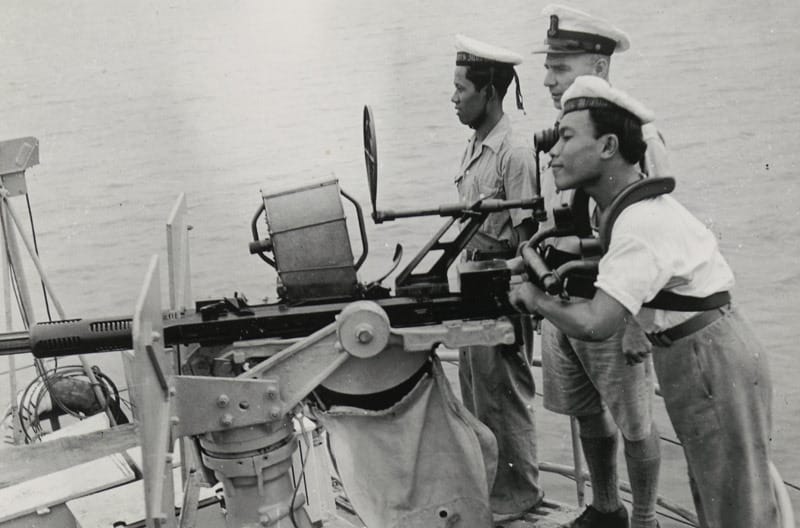
Irregular Solutions for Irregular Threats: Maritime Lessons from Dutch Counterpiracy Operations in Colonial Indonesia
Editor’s note: This article is part of IWI's Maritime Program, which explores modern challenges and opportunities in the maritime dimension at the intersection of irregular warfare and strategic competition. Follow us on X (formerly Twitter) @proj_maritime. With the de facto closure of the vital Red Sea

An Introduction to the Economic & Legal Warfare Project
Irregular warfare thrives in the proverbial “gray zone”—that murky space between war and peace, conflict and stability. The past several decades have shown a need to move beyond Cold War-era orthodoxy, where military force was the primary lever of assertive power, to an environment in which non-military

IWI’s Economic and Legal Warfare Team Published by Joint Special Operations University Press on Contingent Capital and Economic Statecraft
IWI’s General Counsel and Co-Director of the Economic and Legal Warfare (ELW) Project, Matt Flug, together with fellow Co-Director Thomas Johansmeyer, published a piece in the Joint Special Operations University Press introducing the concept of insurfare. The article highlights the use of contingent capital—such as time-
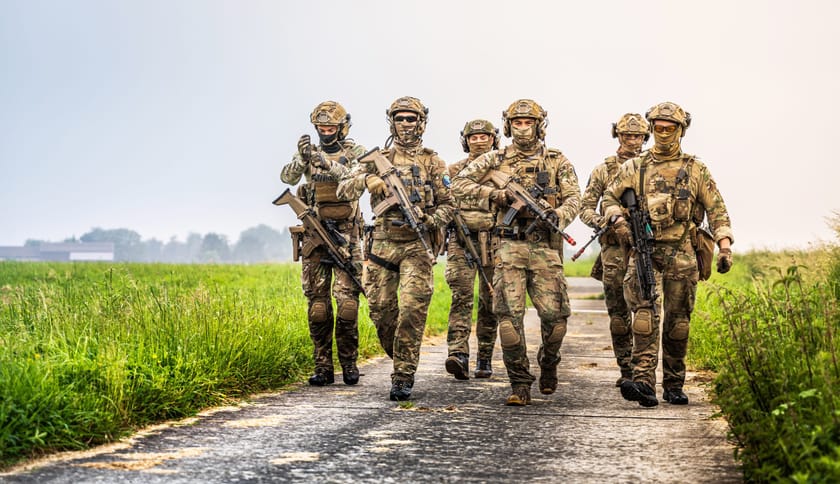
Past, Present, and Beyond: Belgian Perspectives on Irregular Warfare
This IWI Project Europe Fireside Chat takes a closer look at Belgium’s experiences and perspectives on Irregular Warfare. We do so by inviting two key figures within the Belgian Special Operations Forces community: the Director of the Belgian Special Forces Command (Colonel Wim Denolf) and the Commander of the
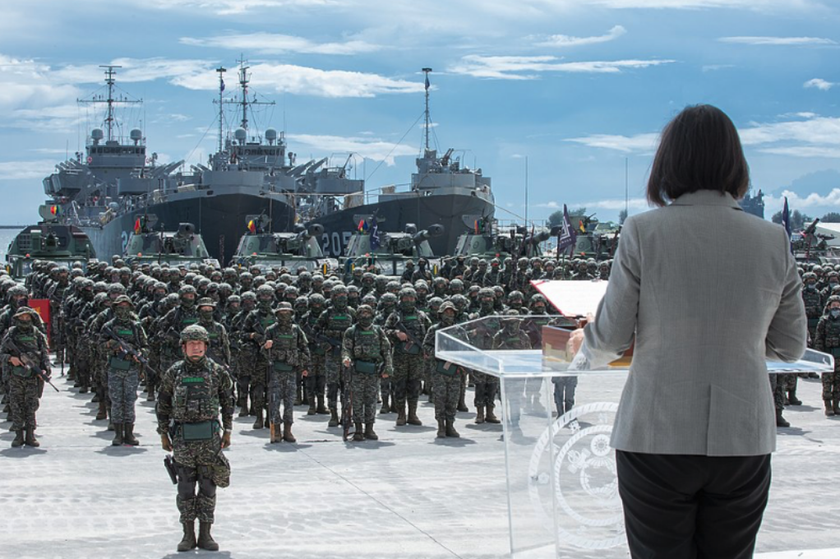
The Boiling Moat: Urgent Steps to Defend Taiwan
Episode 134 of the Irregular Warfare Podcast explores the rising risks of conflict over Taiwan and how the United States and its allies can strengthen deterrence against Beijing. Our guests begin by assessing why deterrence is faltering globally, from the U.S. withdrawal from Afghanistan to Russia’s invasion of
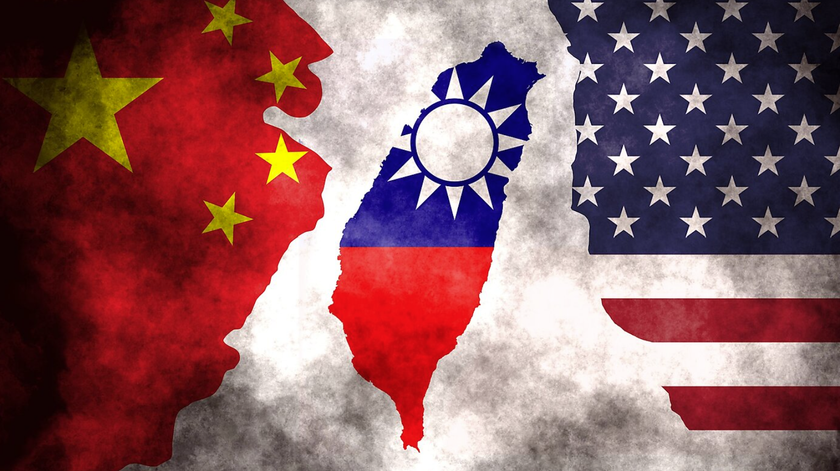
The Inevitable Invasion is Over, Now What? Resistance in a Post-Invasion Taiwan
Editor’s Note: this article is being republished with the permission of Small Wars Journal as part of a republishing arrangement between IWI and SWJ. The original article was published on 08.18.2025 and is available here. Introduction What if China’s People’s Liberation Army (PLA) successfully invaded
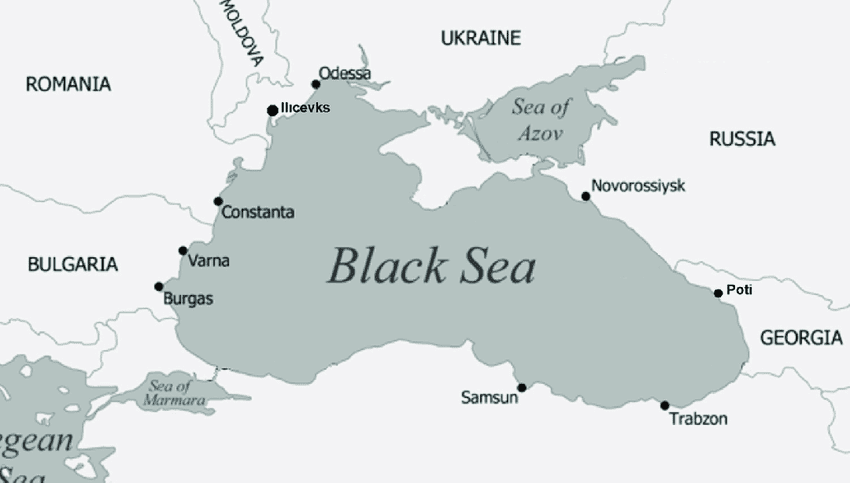
From Tanks to TikTok: Adapting Article 5 for Graduated Responses to Hybrid Warfare
Editor’s Note: this article is being republished with the permission of Small Wars Journal as part of a republishing arrangement between IWI and SWJ. The original article was published on 07.15.2025 and is available here. The Soviet-era bronze statue in Tallinn was relocated long ago, but
Bridging the gap between irregular warfare scholars, practitioners, and policymakers.