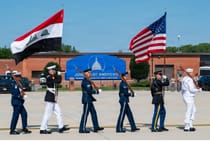
Lessons from the Frontlines: Ukrainian SEAD Operations and Their Implications for Western Special Operations Forces
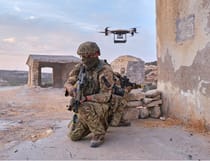
Set to the backdrop of rock music, a video originating from the 14th Ukrainian Special Operations Regiment cuts sharply between shots of Russian military vehicles. At the 25-second mark, precision strikes—likely from rocket artillery—light up the screen, followed by secondary explosions, burning wreckage, and wounded personnel. The

Dominating Conflict’s Leading Edge: Five Principles for an Assertive Irregular Warfare Doctrine
A new US president took office on January 20th, and will confront a dangerous national security environment shaped by Irregular Warfare (IW) challenges. From cyber warfare and gray zone conflicts to terrorism and insurgency, these challenges demand immediate, actionable solutions. As 2024 came to a close, the Irregular Warfare Initiative

Enhancing US Special Operations Forces Capacity to Foster Resistance: Aligning Authorities and Resources to Win the Gray Zone
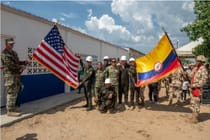
Introduction US Special Operations Forces (USSOF) provide a unique advantage to the Joint Force with their responsiveness, adaptability, and specialized skills. USSOF capabilities—from cyber expertise to civil affairs—enable them to shape and stabilize regions and preempt threats before they escalate. USSOF is incredibly impactful in Irregular Warfare, where

Training for Victory: Lessons for Security Force Assistance
Episode 123 explores the critical role of security force assistance (SFA) and identifies the key factors that influence the effectiveness of building foreign armies. Our guests start by situating SFA within the broader context of Washington’s national security strategy. They then analyze the variables that impact the success of

How to Counter Russian Occupation: Building Multinational Resistance Networks Before a Crisis
The resurgence of Russian aggression has reignited the importance of preparing for occupation and resistance, particularly for nations on NATO’s eastern flank. History shows that Russian occupation consistently involves at least three key elements: forced deportations, population control, and the systematic dismantling of leadership to suppress resistance movements. Drawing

The Necessary Evolution of U.S. Grand Strategy: Learning from the Past to Address Modern Challenges in the Era of Strategic Competition
Introduction In an era of increasing global complexity and competition, the United States faces unprecedented challenges that require a fundamental reassessment of its grand strategy. As defined by Sir Basil Liddell Hart, the role of grand strategy is, “to coordinate and direct all the resources of a nation, or band

A New Playbook for Irregular Warfare: How the United States Can Win Without Fighting
During the final stretch of the 2024 American presidential election, the Department of Justice seized 32 web domains linked to ‘Doppelganger,’ an aggressive Russian disinformation campaign to influence American voters. Meanwhile, China has continued to exploit the US sanctions regime to promote its own currency, the renminbi, as a viable

Assembling the A-Team: Creating an Interagency Office to Counter Irregular Warfare
When a new American president takes office on January 20th, they will confront a dangerous national security environment shaped by Irregular Warfare (IW) challenges. From cyber warfare and gray zone conflicts to terrorism and insurgency, these challenges demand immediate, actionable solutions. In September, the Irregular Warfare Initiative invited our readers

Corporate Transparency Act in Limbo: The National Security Risks of Anonymous Shell Companies
The cat-and-mouse game between regulators demanding greater corporate transparency and companies resisting new regulations is nothing new. Indeed, US corporate anonymity laws have long been exploited by criminals, terrorists, and kleptocrats to obfuscate their illicit financial activities and evade detection via shell companies. However, the modern era of
Theory vs. Practice: What is Irregular War?
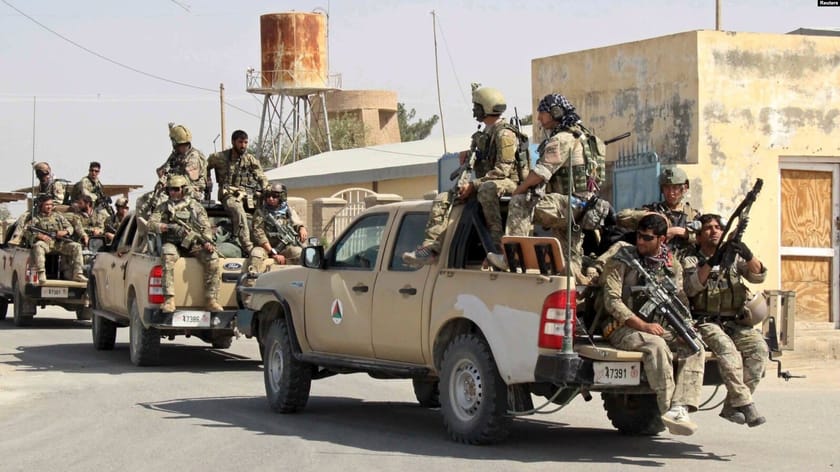
Episode 122 examines a unique theory on Irregular War that challenges both historical and contemporary frameworks on the topic. The guests conduct an in-depth discussion and debate over the complexities of Irregular War and its implications for the U.S. in future conflicts throughout the globe. Our guests define

Bridging the gap between irregular warfare scholars, practitioners, and policymakers.