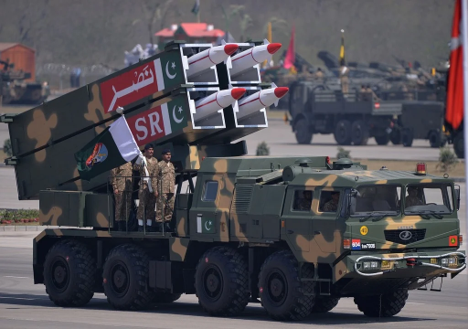
Pakistan’s Nuclear Arsenal is Becoming More Vulnerable
Editor's note: The "Short of War" Podcast discussing this article is AI-generated. “We call on the Pakistani army and security services not to obey Pakistan’s corrupt political and military leadership and urge them to overthrow it,” al-Qaeda declared in an April appeal to

Coffee With the Fellows: Building Partner Capacity in an Era of Strategic Competition
Building partner forces is a persistent challenge for U.S. strategy in an era of strategic competition, and security force assistance efforts frequently fall short. In this episode of Coffee With the Fellows, Alex Chinchilla and Jacob Zack sit down with IWI Fellows Lumpy Lumbaca and Paul Kearney to unpack
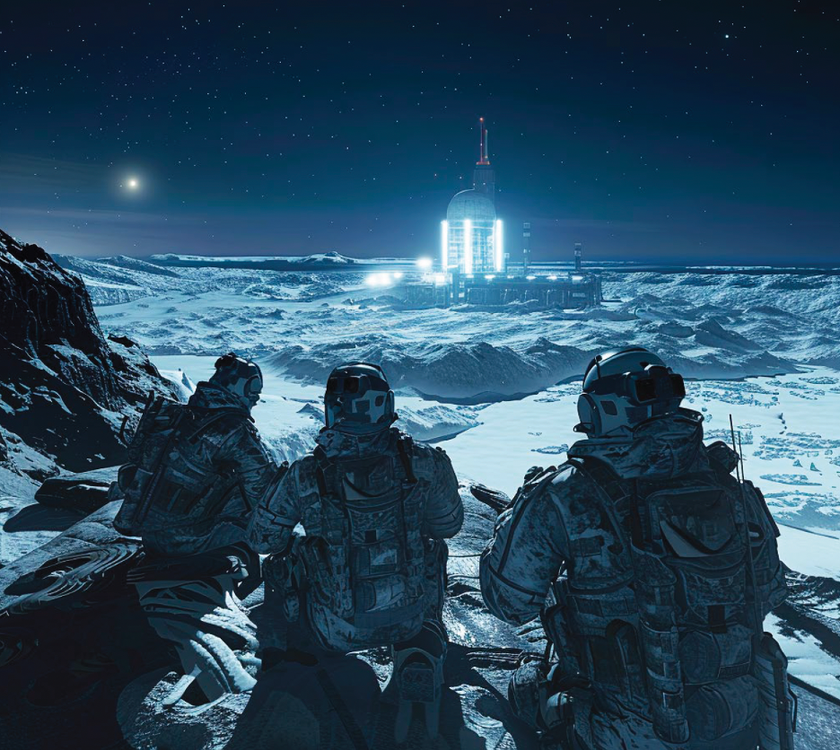
The Future of War Part IV: Special Operations on a Global Battlefield
This episode of the Irregular Warfare Podcast concludes our four-part Future of War series, pairing author and futurist August Cole with senior special operations leaders to explore how tomorrow’s conflicts may unfold.
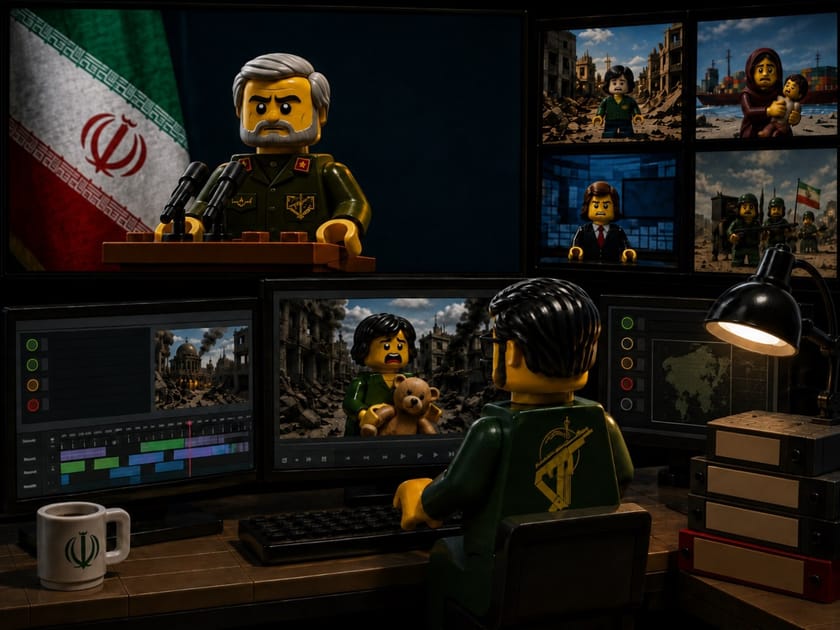
Why Iranian Propaganda Is Getting Uncomfortably Good
Editor's note: The "Short of War" Podcast discussing this article is AI-generated. How did Iran’s regime not just master social media but come to dominate the information space? Their propaganda rarely traveled far outside sympathetic political audiences until recently. Viewers recognized the visuals quickly.

Mexico’s Network War—Without a Network Strategy
Editor's note: The "Short of War" Podcast discussing this article is AI-generated. The aggressive campaign Mexico has sustained against organized crime for the past two decades has many of the characteristics of irregular warfare. While criminal organizations have ebbed and flowed across different political administrations
AI in Cyber Conflict: Short-term Offensive Opportunities, Long-term Defensive Advantage
Editor's note: The "Short of War" Podcast discussing this article is AI-generated. There is a palpable sense of apprehension among cybersecurity professionals and scholars that AI will revolutionize cyber conflict. A slew of recent reports conjure images of supercharged, AI-automated cyber attacks. The worst
Q&A with Lee Robinson, COO of General Matter
Lee Robinson, COO of General Matter, discusses why rebuilding U.S. uranium enrichment is critical to energy security, nuclear power, and America’s industrial base.
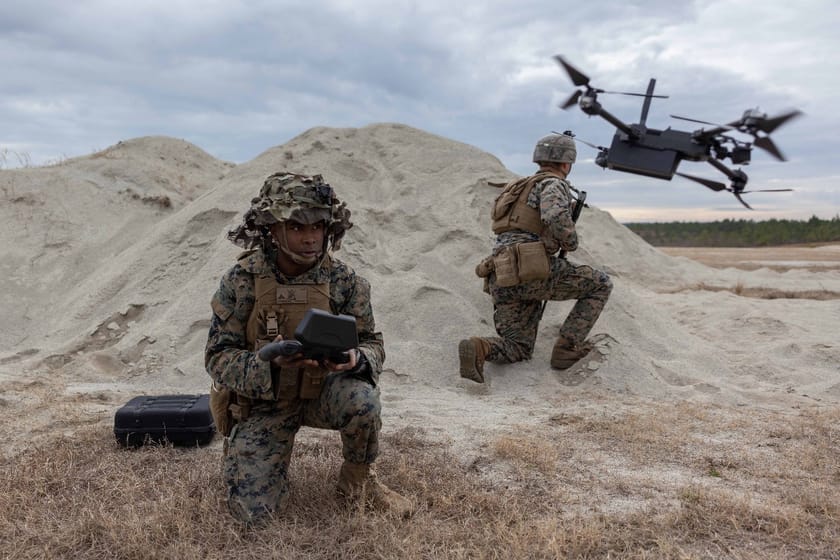
The Future of Conflict and Special Operations Forces
Editor's note: The "Short of War" Podcast discussing this article is AI-generated. Since 9/11, Special Operations Forces (SOF) have often been cast as the United States’ sharpest instrument: they hunt high-value targets, train partners, and operate at the seams where conventional forces cannot
Bridging the gap between irregular warfare scholars, practitioners, and policymakers.