For decades, Washington handed out cyber tools, aircraft, and billions in aid and called it strategy. Did it work? Dr. Erica Lonergan and Dr. Michael Sulmeyer ask whether cyber has ever forced an adversary to back down. Lt. Gen. (Ret.) Anthony Rock, Professor Michael Horowitz, and Col. (Ret.) Tobias Switzer ask why donated aircraft so rarely build forces that can fight on their own. Lt. Gen. (Ret.) Charles Hooper, Dr. Richard Bennet, and Dr. Alexander Noyes ask whether military assistance is worth the money, or doomed to fail.
Episode 167 · Emerging Technology
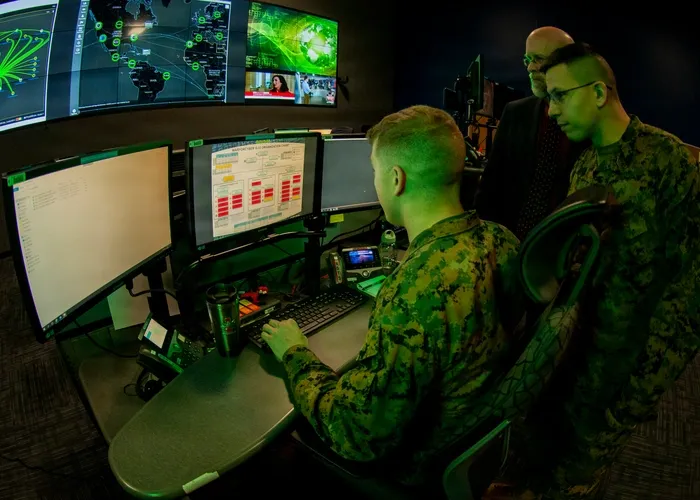
What is Cyber Good For?
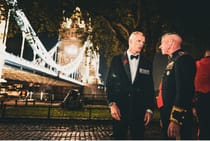
Cyber remains a go-to tool for shaping adversary behavior, even as research casts doubt on its coercive power. Anchored in Lonergan's recent article on the strategic logic of cyber coercion, the conversation works through the problem of signaling credibly in a secretive domain, tests it against the 2014 Sony Pictures hack and the discovery of Volt Typhoon, and closes on the question in the title.
Guests. Dr. Erica Lonergan is an Assistant Professor at Columbia University's School of International and Public Affairs and a former Senior Director on the Cyberspace Solarium Commission. Dr. Michael Sulmeyer is a Professor of the Practice at Georgetown University's School of Foreign Service and was the first Senate-confirmed Assistant Secretary of Defense for Cyber Policy. Alisa Laufer hosts.
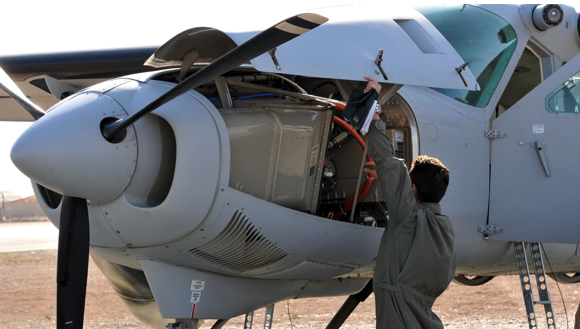
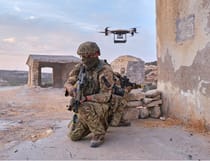
Why does giving partner forces aircraft so often fail to produce an effective air force? Drawing on Switzer's RAND report, Build Partner Airpower, Not Air Forces, the panel works through what U.S. air advisors learned in Iraq and Afghanistan: the pull of prestige platforms, the case for equipment that is "cheap, fast, and good enough," and the contractor support that may outlast any withdrawal plan.
Guests. Lt. Gen. (Ret.) Anthony Rock led the Iraqi Training and Advisory Mission–Air Force and later served as Inspector General of the Air Force. Professor Michael Horowitz directs Perry World House at the University of Pennsylvania and served as Deputy Assistant Secretary of Defense for Force Development and Emerging Capabilities. Col. (Ret.) Tobias Switzer is an adjunct senior policy researcher at RAND and a former IWI Editorial Director. Kyle Atwell hosts.
War at Arm's Length: Can Military Assistance Work?
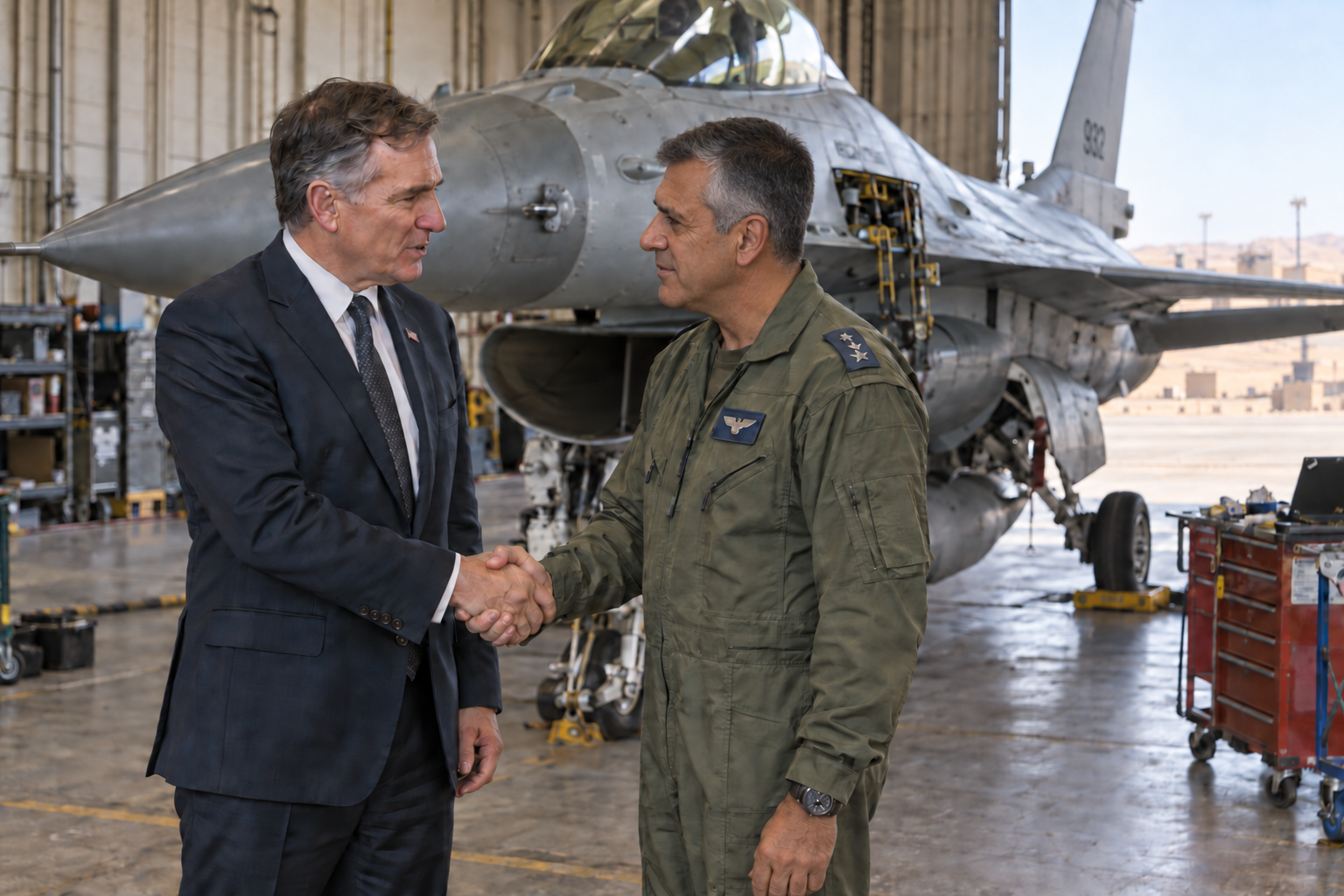
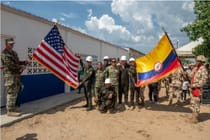
Is U.S. military assistance doomed to fail? Its reputation suggests so. Drawing on Bennet and Noyes's book, War at Arm's Length, the conversation argues that assistance works when shared security interests and capable partner institutions are in place. Ukraine and Colombia show how far a partner's own willingness to reform can carry, and where externally imposed change stops.
Guests. Lt. Gen. (Ret.) Charles W. Hooper is Senior Counselor at The Cohen Group and a former director of the Defense Security Cooperation Agency. Dr. Richard Bennet is a senior research associate at the Center for International and Security Studies at the University of Maryland's School of Public Policy. Dr. Alexander Noyes is a fellow at the Brookings Institution's Talbott Center. Dr. Alexandra Chinchilla hosts.
The Irregular Warfare Podcast is supported by Hadean, an AI company focused on synthetic environments for training, planning, and decision support, and by Leidos, a company focused on cyber and technology innovation, intelligence analysis, and mission support.
Irregular Warfare Initiative
Keep Warfare Irregular
Bridging the gap between irregular warfare scholars, practitioners, and policymakers.