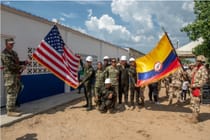
Good Change Brings New Leadership, Ideas, and Opportunities to IWI’s Air and Space Power Team
Editor’s Note: As the Air and Space Power Team enters its next chapter, Dr. Kerry Chávez and Dr. Rick Newton will be stepping aside from their leadership roles and passing responsibilities to Dr. Michael Kreuzer. While this marks a leadership transition, the team’s commitment to advancing air and
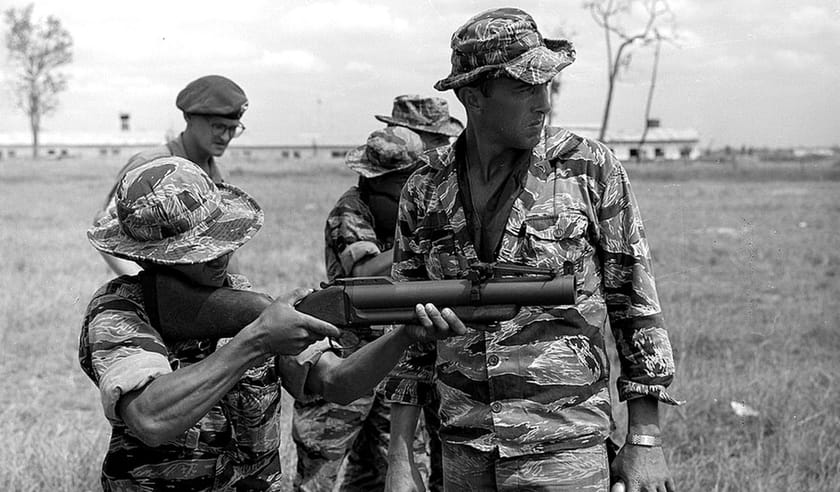
Operationally Detached: Why Decentralization, Not Consolidation, Is the Future of U.S. Army Special Forces
“The country must turn to, and not away from, the American way of irregular war.” —Lieutenant General Charles T. Cleveland, The American Way of Irregular War (2020) Editor’s Note: This article is a response to “The Last A-Team: Special Forces Aren’t Special Anymore,” and “A New Vision

We’ll Go No More Enriching
The United States and Israel have struck Iran’s nuclear infrastructure twice in less than a year and have killed dozens of nuclear weapons scientists in what is the most comprehensive and deadly counterproliferation campaign in history. The International Atomic Energy Agency’s (IAEA) Director General says the program has
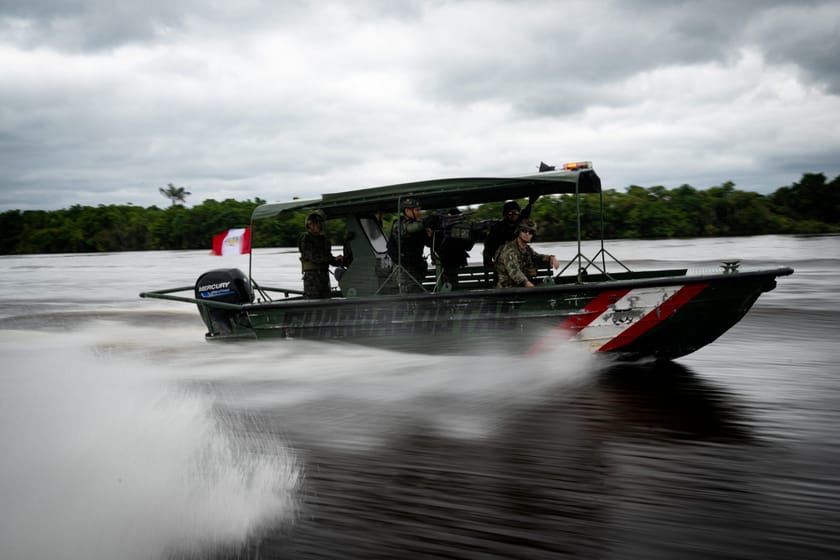
Operations in the Amazon: The Peruvian Military’s Riverine Operations
This article is a Focus Area self-published piece, and the content has not undergone standard editorial review. IWI hosts these pieces to facilitate rapid dialogue among practitioners, but the analysis, research, and original thought within the article remain the sole responsibility of the author. The United States military is
A New Vision for Special Forces
Editor’s Note: This is part two of a two-part article assessing the past, present, and future of U.S. Army Special Forces. See part one here. The Green Beret's greatest legacy was never the beret. It was the audacity to imagine something that did not exist.
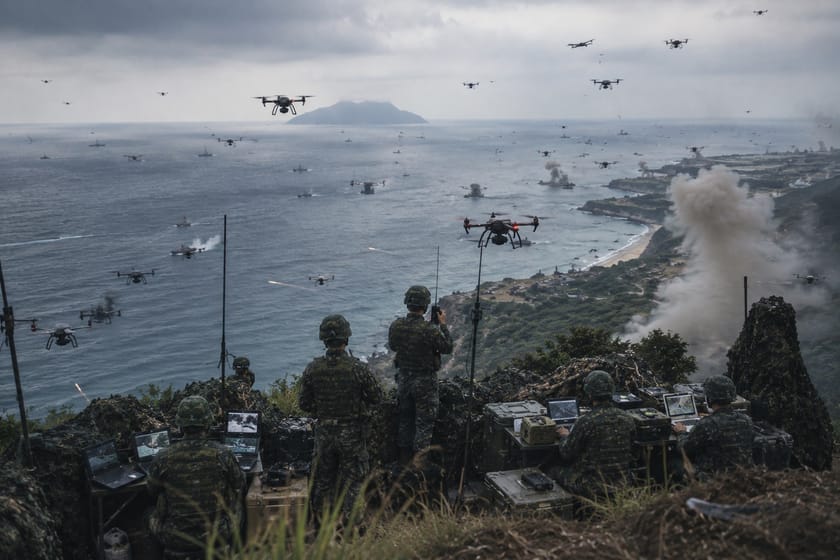
Hellscape Taiwan: Drones, Deterrence, and the Future of Asymmetric Defense
This week’s episode of the Irregular Warfare Podcast examines how Taiwan could deter—or potentially defeat—a Chinese invasion by transforming the Taiwan Strait into an “unmanned hellscape.” Anchored in the recent CNAS report Hellscape for Taiwan: Rethinking Asymmetric Defense, the conversation explores how drones, autonomous systems, and mobile
The Last A-Team: Special Forces Aren't Special Anymore
Editor’s Note: This is part one of a two-part article assessing the past, present, and future of U.S. Army Special Forces. The operating environment has evolved faster than the United States Army Special Forces. Green Berets did not fail at their assigned missions; they failed to sufficiently
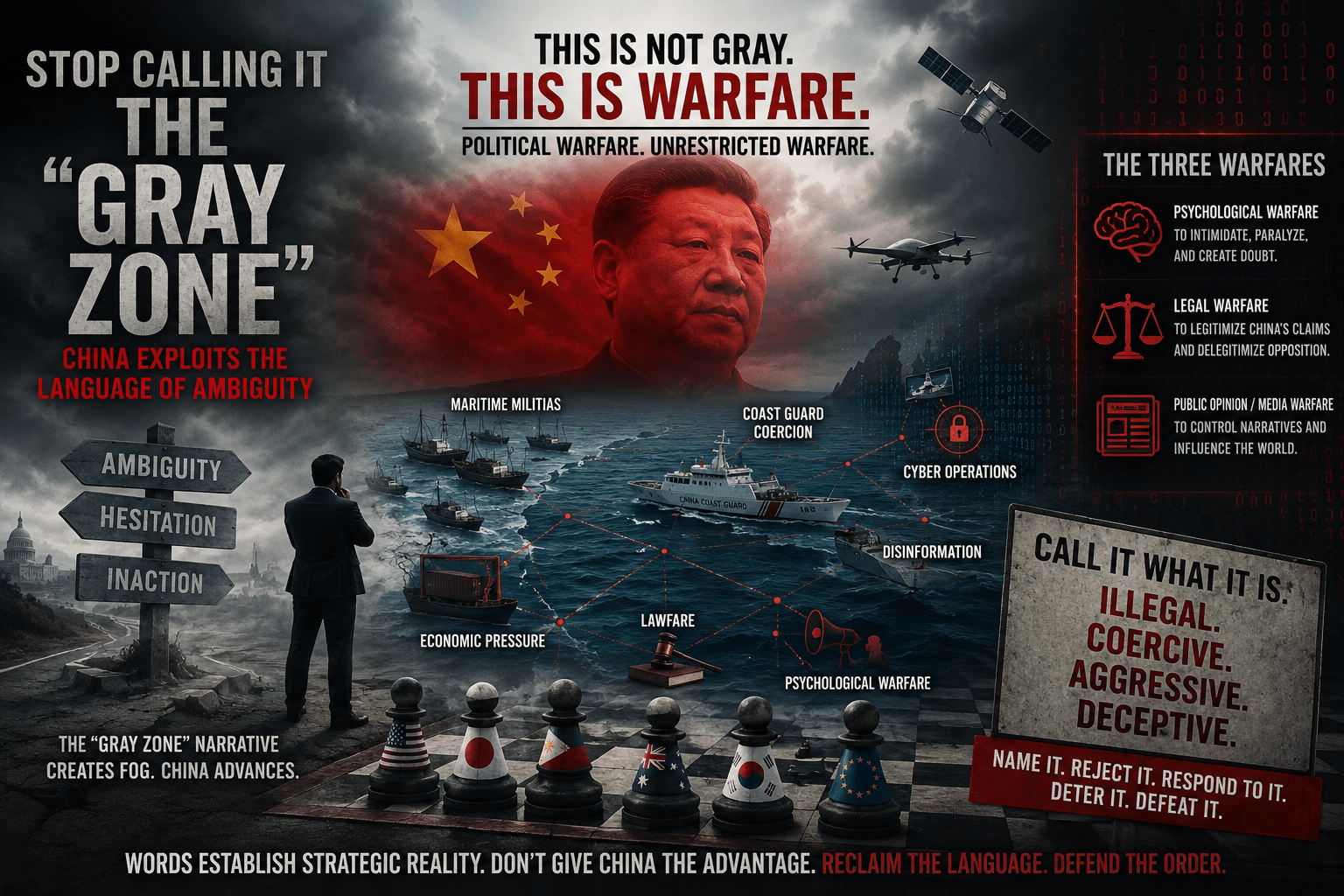
Stop Calling It the “Gray Zone”: How China Exploits the Language of Ambiguity
"The problem is not that China operates in a gray zone. The problem is that the free world continues describing warfare in terms China itself does not recognize." For more than a decade strategists, journalists, and policy makers have relied on the phrase “gray zone” to describe China’

From Coal to Code to Reactors: How Wyoming’s State and Local Decisions Shape Irregular Warfare
For much of the twentieth century, Wyoming powered the United States by extracting coal and sending it elsewhere. From the postwar boom through the early 2000s, trains left the Powder River Basin loaded with fuel that kept distant lights on, factories running, and bases operational. Wyoming’s contribution to national
Disaster Diplomacy: A Backdoor to Improved Inter-Korean Relations Amid Great Power Realism?
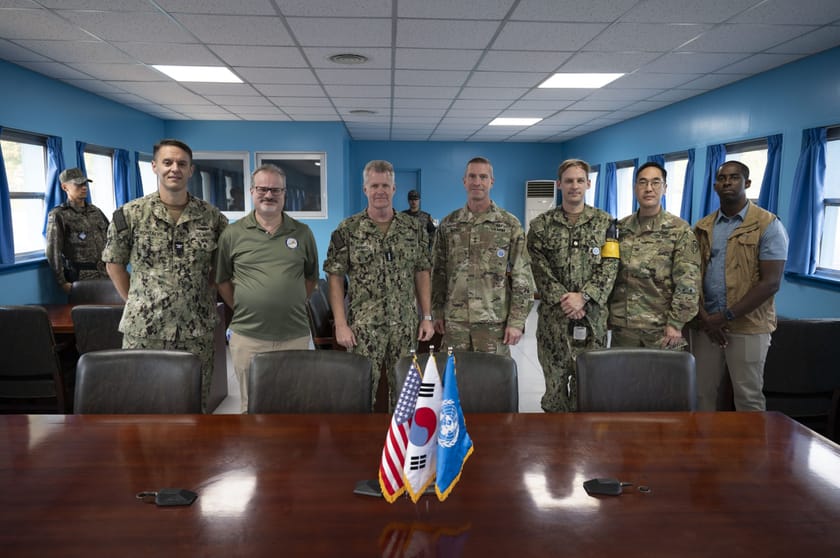
It has been stated many times that the more things change, the more they stay the same. Such a description aptly describes the enduring geopolitical reality on the Korean Peninsula. Currently, North Korea and South Korea, (officially the Democratic People's Republic of Korea and the Republic of Korea,
Bridging the gap between irregular warfare scholars, practitioners, and policymakers.