


Emerging Technology

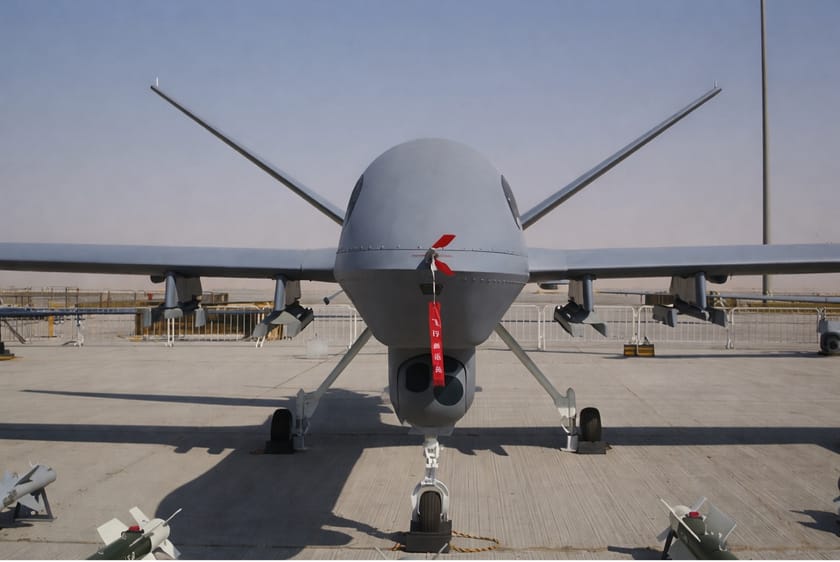
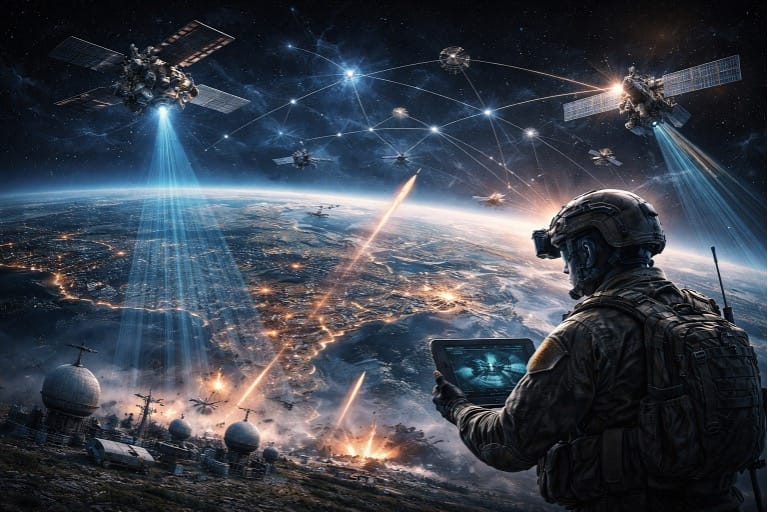
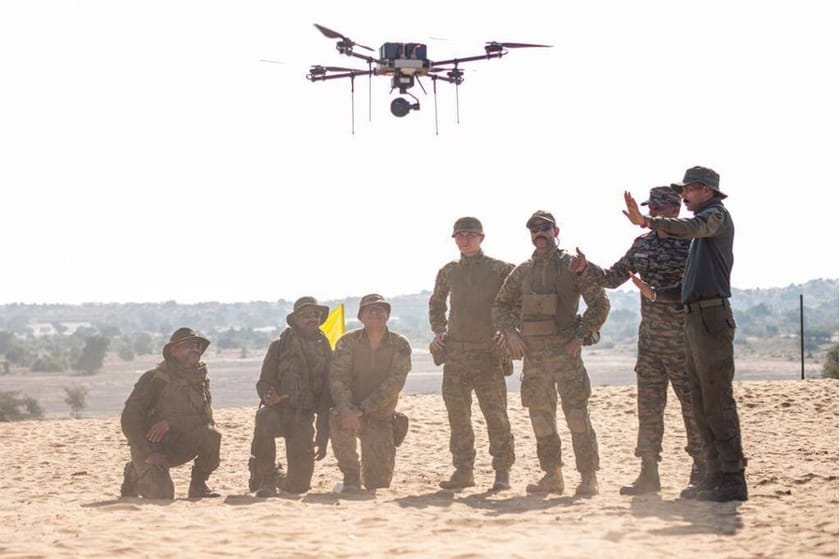
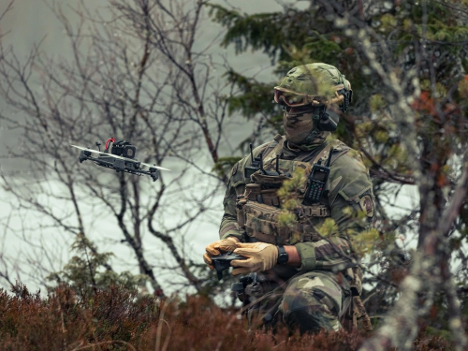
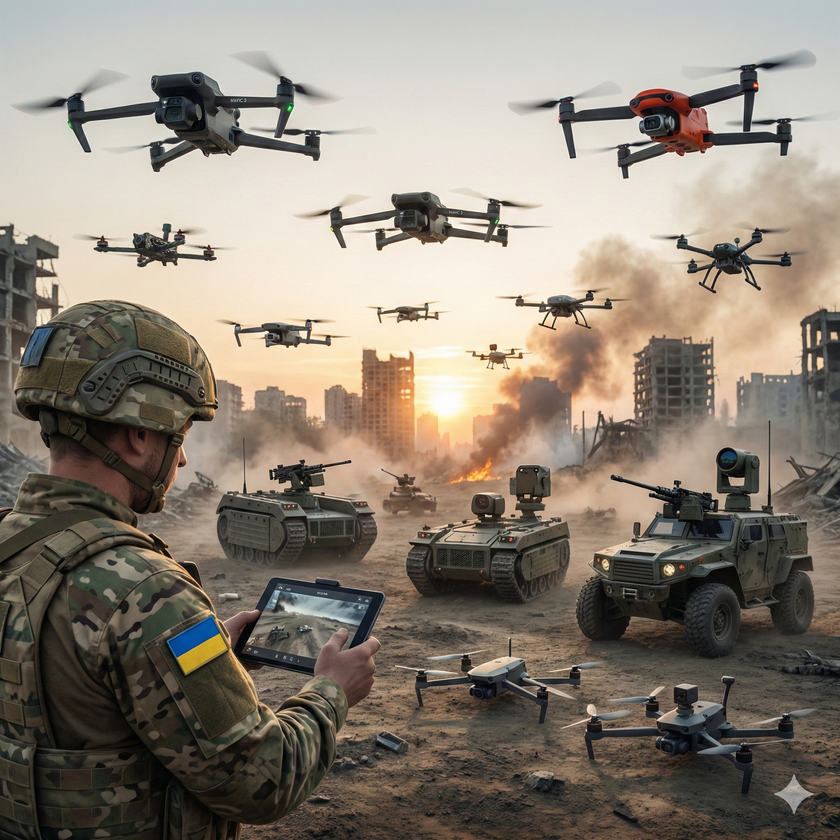
The Emerging Technology focus area connects the people closest to the challenge of deploying new technology and builds a community that learns faster than our adversaries. We move beyond the latest tools to analyze the friction generated when new technologies—from AI and autonomous systems to crypto and biotech—are embedded in irregular warfare.

Eroding Global Stability: The Cybersecurity Strategies Of China, Russia, North Korea, And Iran

Editor's note: This article is part of Project Cyber, which explores and characterizes the myriad threats facing the United States and its allies in cyberspace, the information environment, and conventional and irregular spaces. Please contact us if you would like to propose an article, podcast, or event environment.

Do we need a Cyber Force? Part 1: Arguments for a Seventh Service

Episode 109 examines a recent report from the Foundation for Defense of Democracies on the arguments for a United States Cyber Force. This episode is a two part series of Project Cyber that looks at the arguments for and against a Cyber Force. Our guests delve into their long-standing experiences

The Digital Battlefield: How Social Media is Reshaping Modern Insurgencies

In the past two decades, the landscape of insurgency has undergone a profound transformation, driven by the rise of social media and increased global connectivity. This digital revolution isn't just changing how insurgents communicate—it's fundamentally reshaping the nature of insurgency itself. From the bustling streets

Cyber Attacks in Perspective: Cutting Through the Hyperbole

This article is part of Project Cyber, which explores and characterizes the myriad threats facing the United States and its allies in cyberspace, the information environment, and conventional and irregular spaces. Please contact us if you would like to propose an article, podcast, or event environment. We invite you to

Secret Cyber Wars: Why States Are Increasingly Turning to Economic Espionage and How Cyber Proxies Play a Key Role

Editor’s note: This article is part of Project Proxies and Partners, which explores the promises and pitfalls of security cooperation in war, at peace, and in between. We invite you to contribute to the discussion, explore the difficult questions, and help influence the future of proxies and partners. Please

Exploring the Cyber Dimension of the Current U.S.-Iran Crisis

Editor’s note: This article is part of Project Cyber, which explores modern challenges and opportunities in and through cyberspace at the intersection of irregular warfare and strategic competition. We warmly invite your participation and engagement as we embark on this project. Please submit articles here. In the wake of

The Rise of Digital Repression: How Technology is Reshaping Power, Politics, and Resistance

Episode 84 of the Irregular Warfare Podcast is our fourth installment of the IWI Project on Cyber where we look at Steven Feldstein's book The Rise of Digital Repression: How Technology is Reshaping Power, Politics, and Resistance. Our guests delve into what digital repression is and how authoritarian

How to Win with Data: The US SOF-Cyber Partnership Supporting Ukraine

Winning the information war has been a strategic enabler for Ukraine since the Russian offensive began on February 24, 2022. Shortly after the invasion, various entities in Ukraine began systematically flooding Western news and social media with highlights of Ukrainian national resistance and tactical successes. These stories were sometimes false

Reaching the Tipping Point: Lessons from Combining Kinetic and Information Operations

Iain Cruickshank, Kirk Windmueller, and Matt Benigni This article is part of a series hosted by Maj. Iain Cruickshank, Ph.D., that explores the idea of combining cyber operations with information operations to produce effects well beyond what each capability can accomplish alone. One dark night in a far-off country,

Securing the Cyber Domain: Exploring Cyber Policy in the Department of Defense

Episode 81 of the Irregular Warfare Podcast  is our third installment of the IWI Project on Cyber where we look at how the Department of Defense handles Cyber policy and strategy. Our guests take a holistic look at the nation's different Cyber Policies and Strategy and how they

Showing of 37 posts

Bridging the gap between irregular warfare scholars, practitioners, and policymakers.

Stay in the Loop

Subscribe for the latest articles, podcasts, and events.

Subscribe

Our Work

Technology is evolving in months, while defense organizations often take decades to adapt. This growing gap leaves practitioners in a dangerous reality: forced to make irreversible decisions in high-stakes environments without clear doctrine or updated ethics training. The Emerging Technology and Irregular Warfare Focus Area was created to bridge this divide by connecting the people closest to the challenges and building a community that learns faster than our adversaries.

Strategic Tensions & Core Dilemmas

We move beyond the tools themselves to analyze the friction generated when new technologies—from AI and autonomous systems to crypto and biotech—are embedded in irregular warfare. Our work focuses on four core dilemmas:

  • Decisionmaking & Accountability: Reshaping decision dynamics in decentralized environments while maintaining political control and mitigating civilian harm.
  • Diffusion & Escalation: Addressing how low-cost, high-impact technologies enable nonstate actors to evade intelligence and exploit deniability.
  • Legitimacy & Effectiveness: Navigating the tension between operational success and public legitimacy as capabilities outpace existing laws.
  • Influence & Trust: Leveraging technology for humanitarian effectiveness while countering adversary efforts to undermine trust through algorithmic bias and misinformation.

Our Operating Principles

We are not interested in technology in search of an application. Our efforts are guided by three functional pillars:

  1. Problem-driven: We start with the friction points practitioners face on the ground. When existing doctrine is ignored, we seek to understand why and identify practical solutions.
  2. Whole-of-Society Perspective: Technology in the gray zone reshapes populations and creates long-term dependencies. We utilize a systems approach to ensure technological impacts align with broader strategic objectives.
  3. Future-focused: We prioritize anticipating what’s coming next over merely analyzing last year’s conflict, ensuring we stay ahead of emerging tactics and dilemmas.


Meet the Team

Jeffrey Szuchman Jeffrey Szuchman Co-Director, Emerging Technology
Kristina Kempkey Kristina Kempkey Co-Director, Emerging Technology
Aidan Harte Aidan Harte Advisor, Emerging Technology
August Cole August Cole Senior Advisor, Emerging Technology
Hugh Harsono Hugh Harsono Advisor, Emerging Technology
Jason Alexander Jason Alexander Advisor, Emerging Technology
Matt Sansone Matt Sansone Advisor, Emerging Technology
Noah Flessel Noah Flessel Advisor, Emerging Technology
Steve Feldstein Steve Feldstein Senior Advisor, Emerging Technology