Mercenaries, Private Security, and the Civilian Cost of Outsourced Coercion
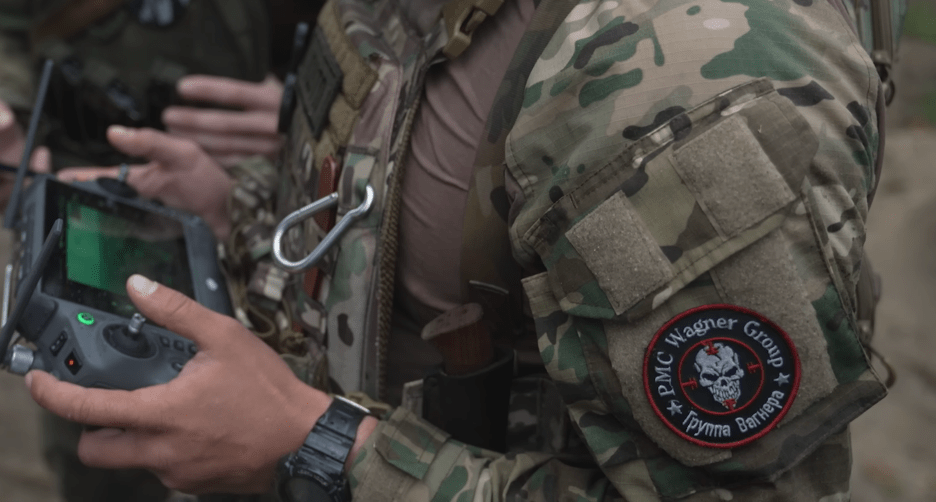
While states still use military force in pursuit of national interests, private military and security companies (PMSCs) have become an increasingly common instrument, enabling states to apply pressure, manage escalation, and maintain deniability in ways that conventional deployments cannot. As resistance to foreign troop deployments grows and strategic competition shifts
The Counterinsurgency Dilemma: Foreign Fighter Influence on Insurgencies
Episode 154 of the Irregular Warfare Podcast examines a core puzzle in intrastate conflict: how a small number of foreign fighters can exert outsized influence on insurgencies. Anchored in Professor Tricia Bacon’s The Counterinsurgency Dilemma, this episode explores when foreign fighters strengthen insurgent groups—and when they undermine them.

Digital Finance as a Geopolitical Arena: China, Web3, and the Competition Over Africa’s Digital Payments Landscape
A young Nigerian man uses cryptocurrency for peer-to-peer transactions to avoid the challenges of Naira inflation, while thousands of miles away, a farmer in rural Kenya uses her smartphone to access a mobile credit platform for a microloan. These two examples represent just a small sample of how
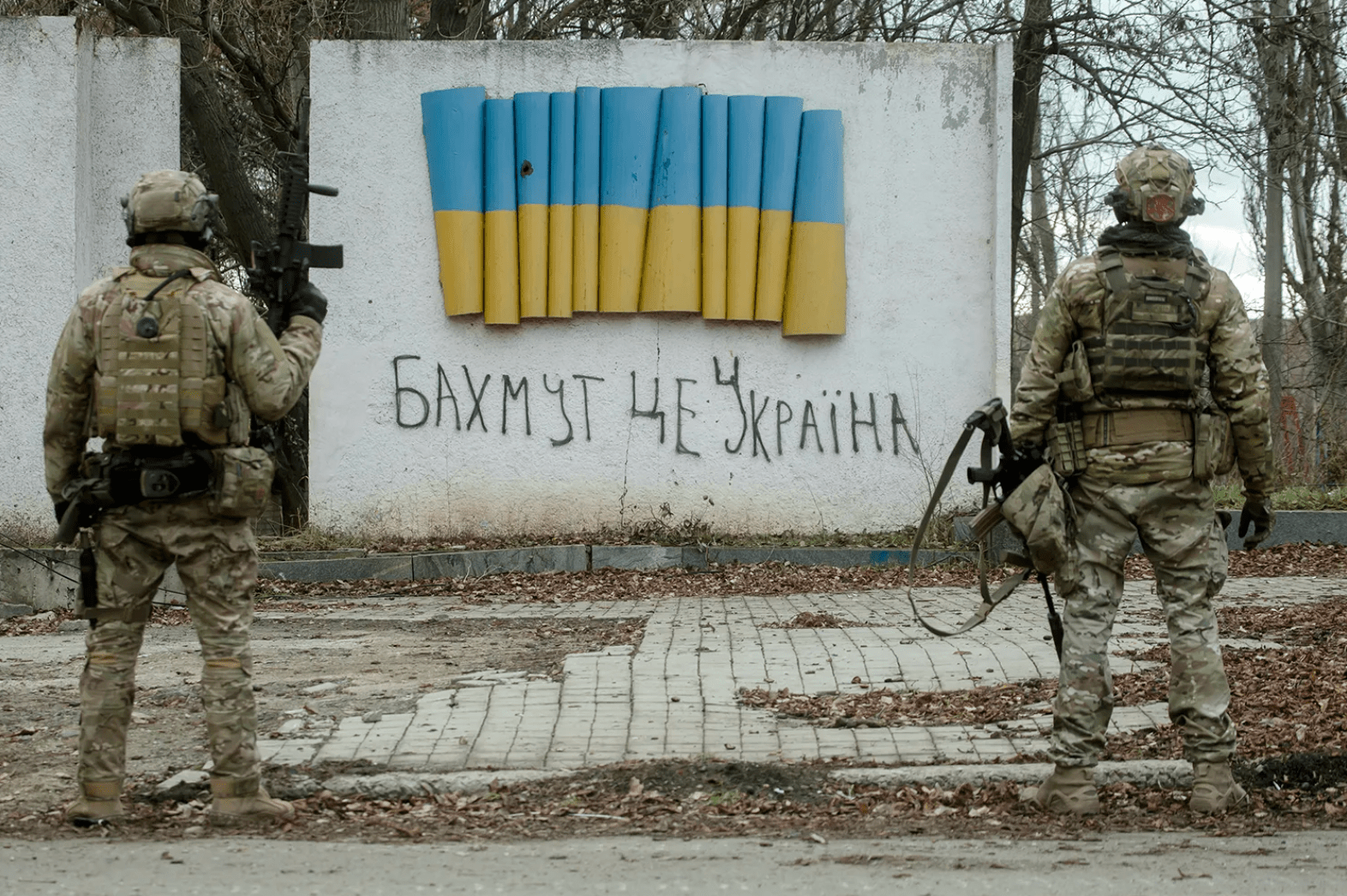
IWI Europe Leads Featured in Euromaidan Press: The "Accidental" Hardening of Ukraine
In a recent article for Euromaidan Press, authors Dr. Olga Chiriac (Director, Europe Focus Area) and Nicholas Krohley (Resistance Hub Lead) examine how two decades of Russian hybrid warfare unintentionally transformed Ukraine into a uniquely resilient state. While Moscow's long-term campaign of political interference, economic pressure, and
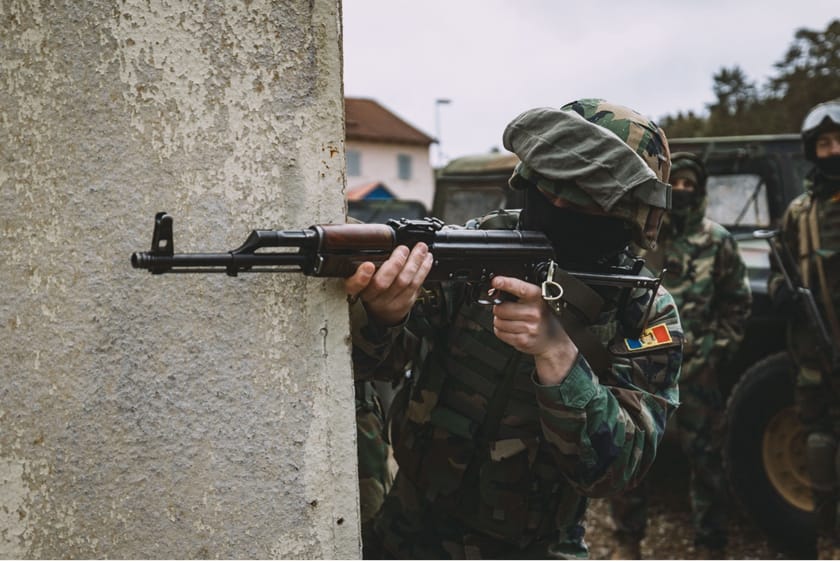
Neutrality as Vulnerability: Russia’s Hybrid Playbook in Moldova
Moldova’s September elections reaffirmed its pro-EU course, but continued and increased Russian hybrid and military pressure make constitutional neutrality untenable. Russia’s continued “peacekeeping” presence within the internationally recognized Moldovan territory of Transnistria is a daily direct violation of its constitutional neutrality clause. Expressly stated in Article 11,
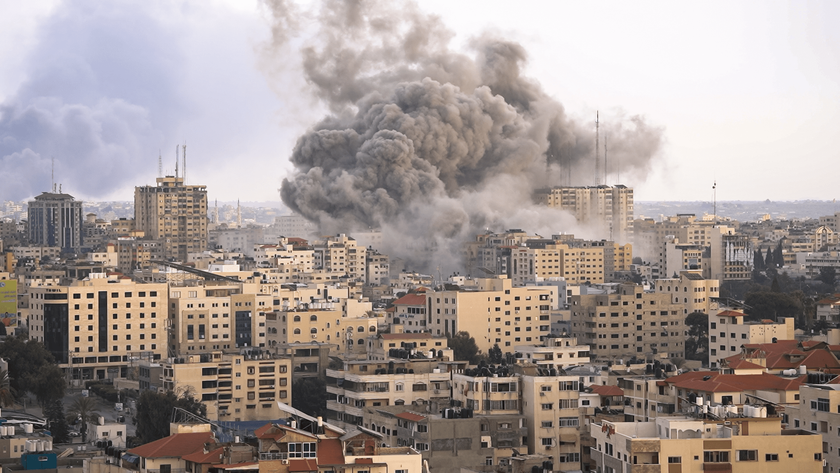
Credibility vs. Speed: Israel and Hamas in the Gaza Information War
Editor’s Note: this article is being republished with the permission of Small Wars Journal as part of a republishing arrangement between IWI and SWJ. The original article was published on 03.20.2026 and is available here. The Gaza conflict underscores a central fact of modern war. The Decisive

Q&A with Robert D. Kaplan
Editor’s Note: This article is presented in a question-and-answer format, with the Irregular Warfare Initiative’s Maritime Program (facilitated by Christopher Booth) interviewing Robert D. Kaplan. This piece has been edited for clarity and readability, as spoken language differs from how text is read on the page.
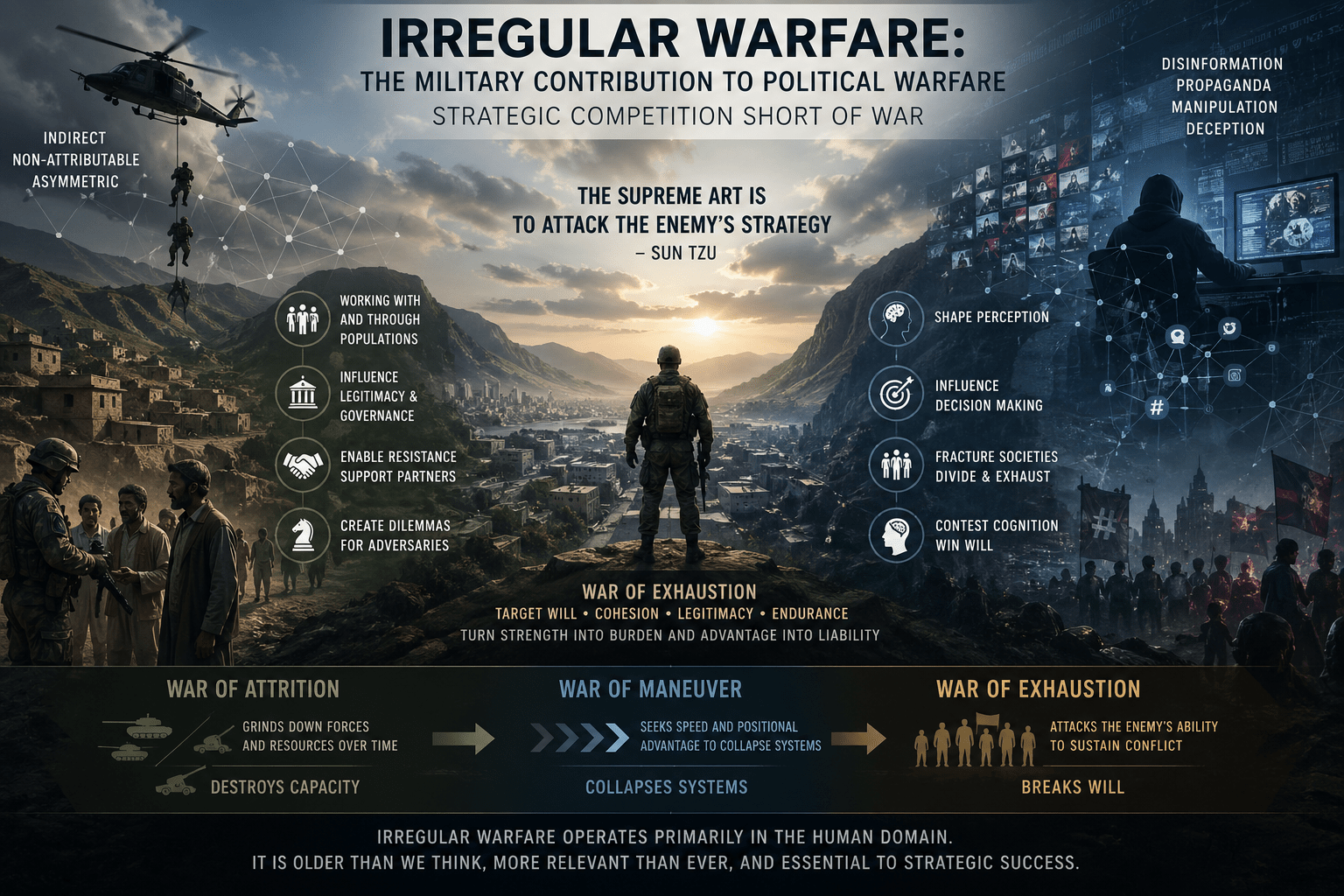
Irregular Warfare: If We Ever Stop Arguing About IW, Then IW Will Be Dead
"Large-scale combat operations win through maneuver warfare and war of attrition. Irregular, unconventional, and political warfare wins through exhaustion. They target will, cohesion, legitimacy, and endurance. They erode the foundations of power rather than destroying its visible structures." Irregular warfare (IW) refuses to sit still. It shifts
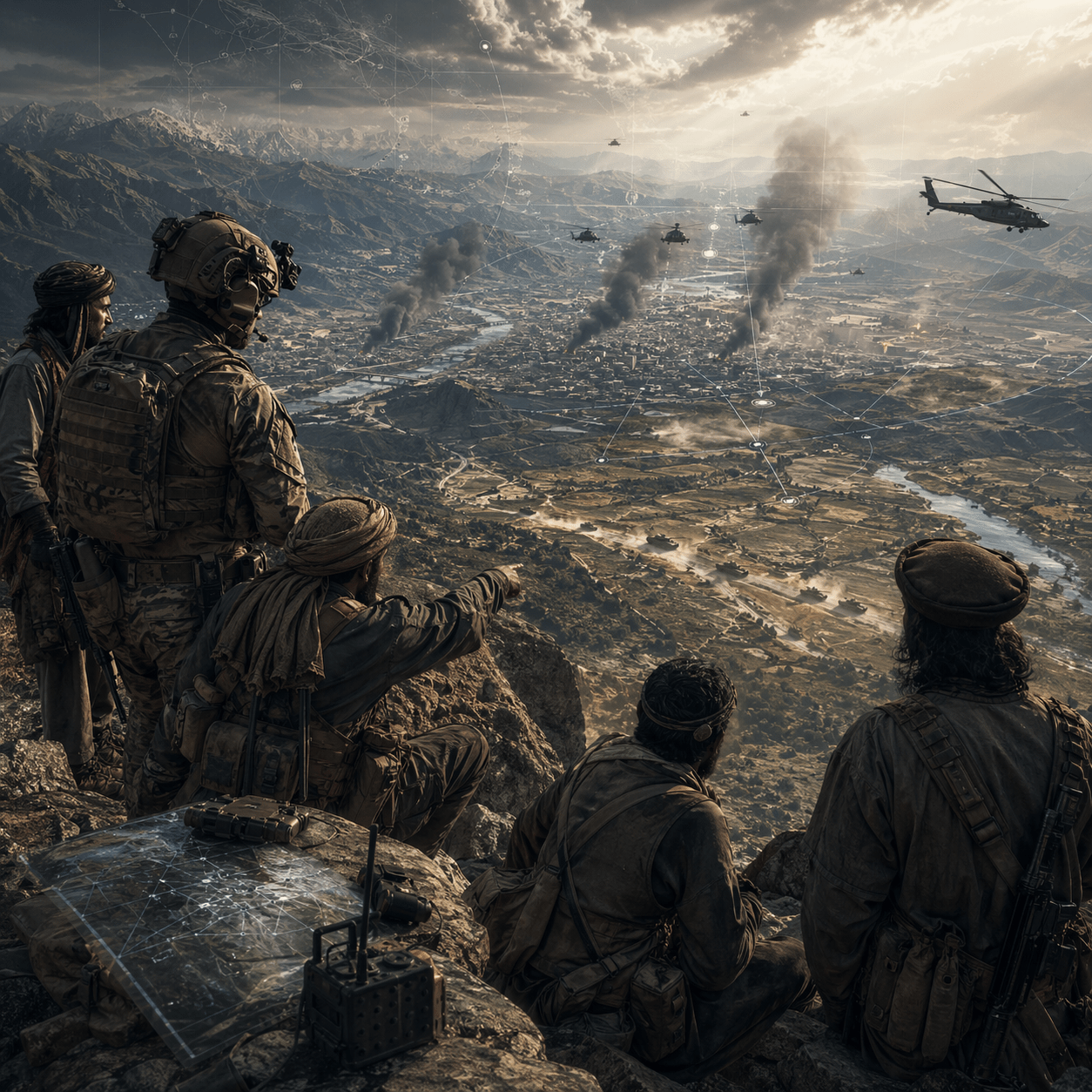
Where the Lion Can’t Reach: Unconventional Warfare in Major War
Description Episode 153 examines the role of unconventional warfare and special operations forces in conventional major war. Summary This conversation explores how unconventional warfare can support, shape, and sometimes substitute for conventional military operations in large-scale combat. Our guests examine what unconventional warfare is and why it matters beyond
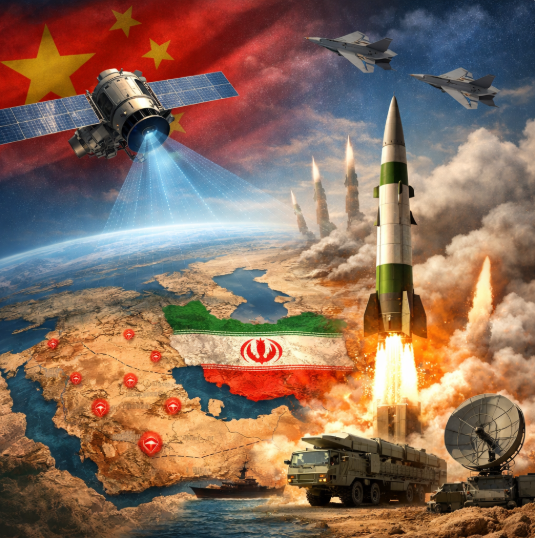
Chinese Eyes, Iranian Missiles: Intelligence Cooperation in the US/Israel–Iran War 2026
Editor’s Note: this article is being republished with the permission of Small Wars Journal as part of a republishing arrangement between IWI and SWJ. The original article was published on 03.20.2026 and is available here. The 2026 war between the United States, Israel, and Iran represents one
Bridging the gap between irregular warfare scholars, practitioners, and policymakers.