Over-the-Horizon and Under the Threshold: Bringing Unconventional Warfare to Ukraine
Hannah Lamb This piece was selected as a winner in the undergraduate category of an essay contest co-sponsored by IWI and the Joint Staff J7 Office of Irregular Warfare and Competition (OIWC). Due to the nature of the contest, this piece is published with only minimal inputs from our
Innovative Thinking on the Role of Irregular Warfare in Strategic Competition: Key Insights from the Irregular Warfare Initiative and Joint Staff J7 Office of Irregular Warfare Essay Contest
Lisa McKinnon Munde Editor’s note: Many thanks to our judging panel including Rich Tilley, Lauren Lyons, Amy Frumin, Katherine Muther Gilmore, David “Mojo” Garten, Chris Booth, Kyle Atwell, Amber Oliva, Catrina Doxsee, Kevin Bilms, and Lisa Munde. The Irregular Warfare Initiative and the Joint Staff J7 Office of Irregular
Deterrence through Asymmetry: Preparing for Conflict in the Taiwan Strait
Episode 75 of the Irregular Warfare Podcast considers the prospect of a cross-strait conflict between China and Taiwan and the asymmetric defensive capabilities that Taipei needs to stave off an invasion by the People’s Liberation Army. Our guests begin by examining America’s longstanding policy of strategic ambiguity
The Lessons of 20 Years of Counterinsurgency Research
Elizabeth Radziszewski The Congressional Research Service’s November 2022 report to Congress on the implications of great power competition for US defense policy emphasizes greater focus on strengthening US high-end conventional capabilities to counter Russia and China. The final section of the report briefly notes the need to meet
Maritime Sabotage: Protecting Europe’s Soft Underbelly
The September 2022 attacks on the Nordstream 1 and 2 pipelines convinced many in Europe that malign actors have the capability and intent to attack critical undersea infrastructure. While the attacks targeted gas pipelines, equally vulnerable is the vast system of fiber-optic and data cables that underpin the global
Unchecked and Uncooperative: How the Pentagon Has Thwarted Congressional Oversight of Security Cooperation Programs
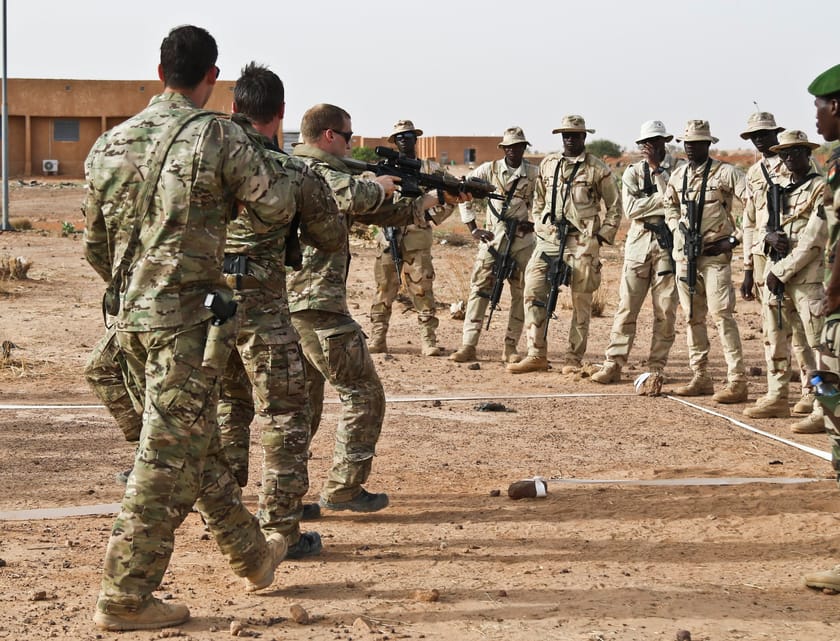
When the administration of President Joe Biden redeployed US forces to Somalia in May 2022, it promised that those forces would not be “directly engaged” in combat operations. They would instead support their Somali partners to “enable a more effective fight” against al-Shabaab, a regional al-Qaeda affiliate. Since
Weaponizing Rights: An Untapped Tool for Special Operations Forces
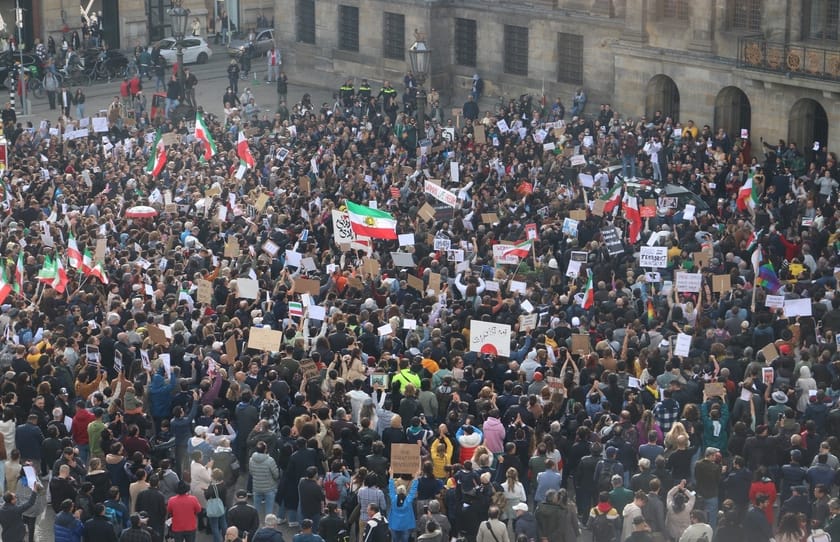
Joseph Bedingfield In September, after the death of a young woman, Mahsa Amini, at the hands of the morality police, demonstrations broke out across Iran. In response, the government has arrested thousands and killed hundreds. The bedrock grievance fueling the protestors’ narrative is a 1981 law mandating that women wear
A Full Spectrum of Conflict Design: How Doctrine Should Embrace Irregular Warfare
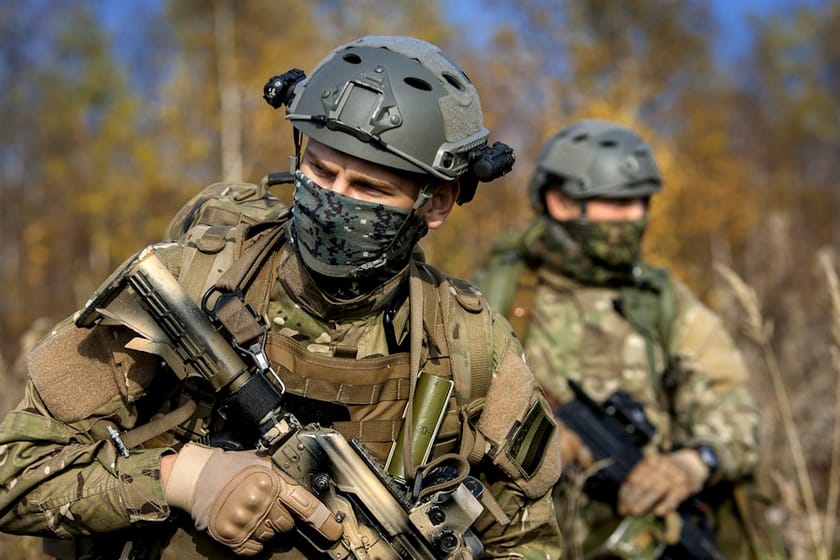
China’s gray zone conflict. Russian hybrid warfare. These terms have emerged to describe belligerent activities that standard US military operations struggle to address. Although these adversarial approaches remain central to today’s security environment, they are absent from the current joint doctrinal framework. Even the new joint doctrine note
How to Lose an Unwinnable War: Why Intervention in the Sahel has Failed
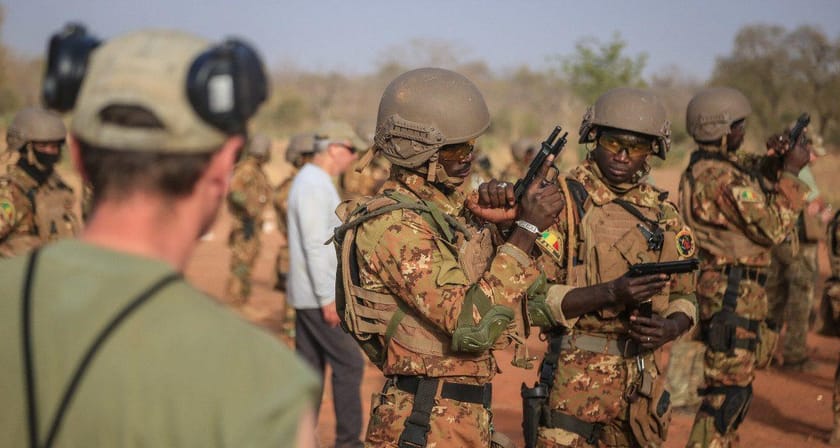
This Irregular Warfare Initiative article was originally posted through our partner organization, the Modern War Institute at West Point. The security situation in the Sahel region is complex, daunting, and not improving. The annual number of fatalities caused by conflicts in that part of Africa is estimated to have risen
War Transformed: How Emerging Technologies Are Changing Human Conflict
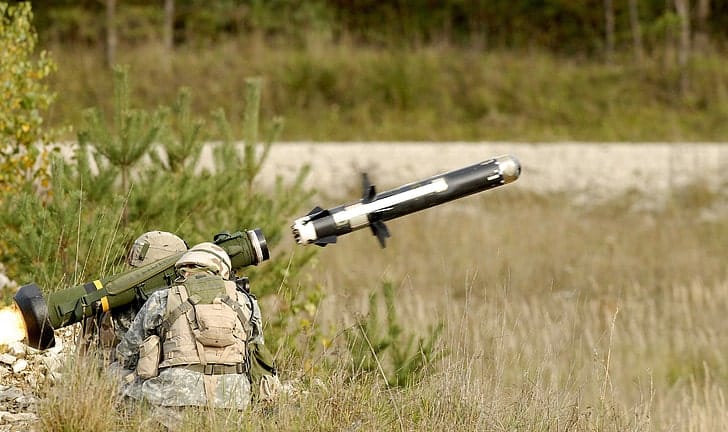
Ben Jebb and Adam Darnley-Stuart Episode 74 of the Irregular Warfare Podcast examines the effect of emerging technologies on warfare, and addresses the issues that today’s combat leaders will face on modern-day battlefields. Our guests begin by considering what past technological revolutions can teach us about changes
Bridging the gap between irregular warfare scholars, practitioners, and policymakers.