From NATO to the Gulf: Allies, Access, and the Hidden Architecture of American Power
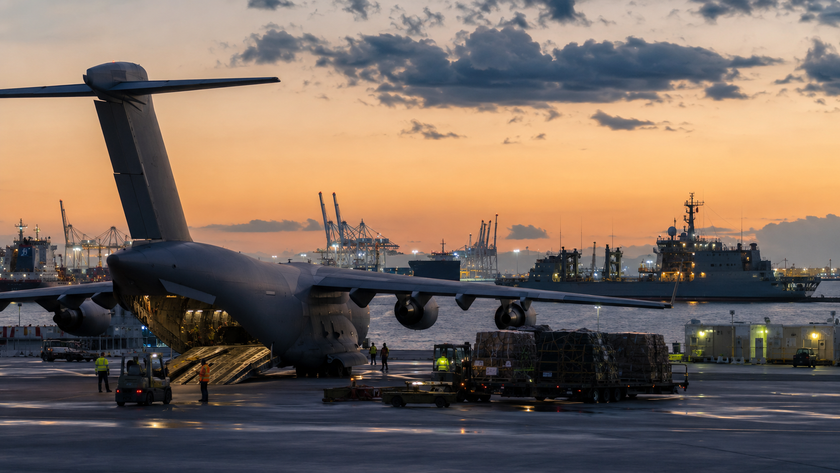
Description Episode 159 examines the relationship between alliances, military access, and U.S. global power projection. Summary This episode explores an often overlooked benefit of alliances: wartime access. Dr. Rachel Metz and Ambassador Douglas Lute explain why public debates about allies often focus narrowly on defense spending, while missing the
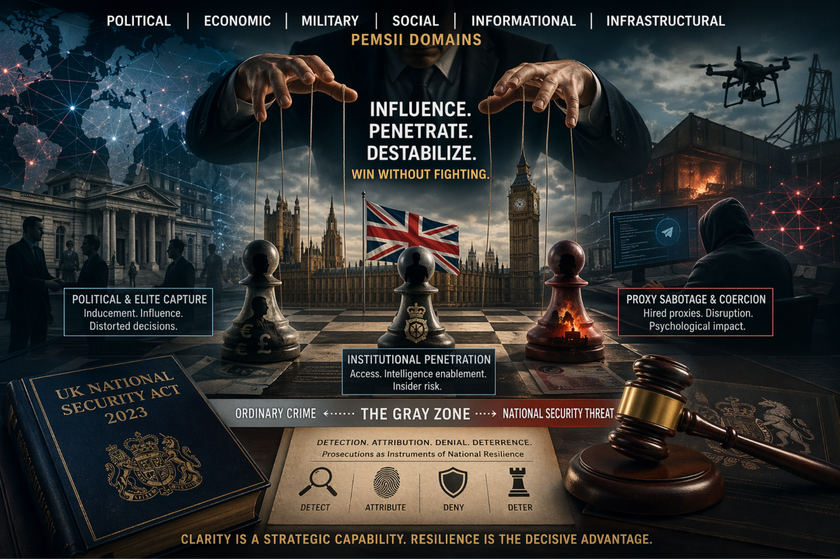
Ordinary Crime, Hybrid Threat, or Irregular Warfare?
Adversaries target PEMSII domains through coordinated hybrid campaigns, yet the UK legal system risks fragmenting this conduct into isolated offenses. This analysis shows why coherent framing is a vital strategic capability for national resilience.

250 Years After America’s First Irregular War
America turns 250 today. From 18th century irregular warfare to Alexis de Tocqueville, we pause to acknowledge IWI's roots, mission, and the civic duty that powers it.
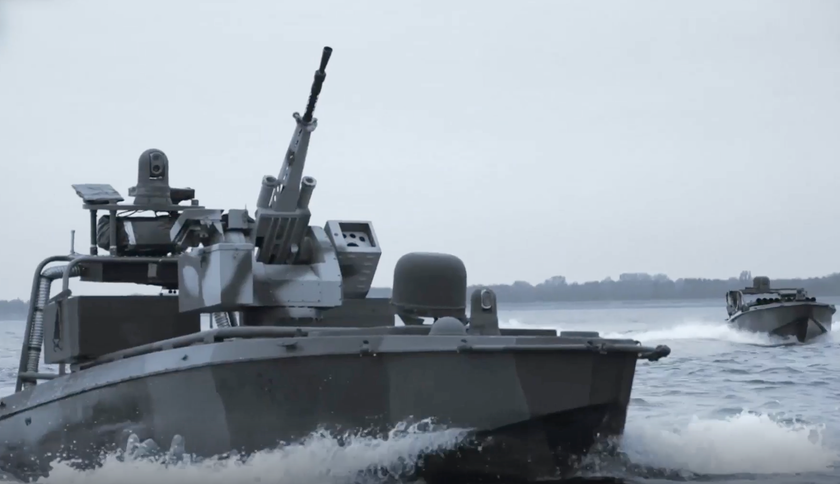
Maritime Autonomous Systems Featuring Ukraine's SBU — Center on IW and Armed Groups 2026 Symposium
Co-director of IWI’s Maritime Program, Christopher Booth chaired a panel of guests invited by IWI as part of the Naval War College’s Center on Irregular Warfare and Armed Groups (CIWAG) 2026 Symposium – as supported by the Naval War College Foundation - to discuss autonomous maritime vessels.
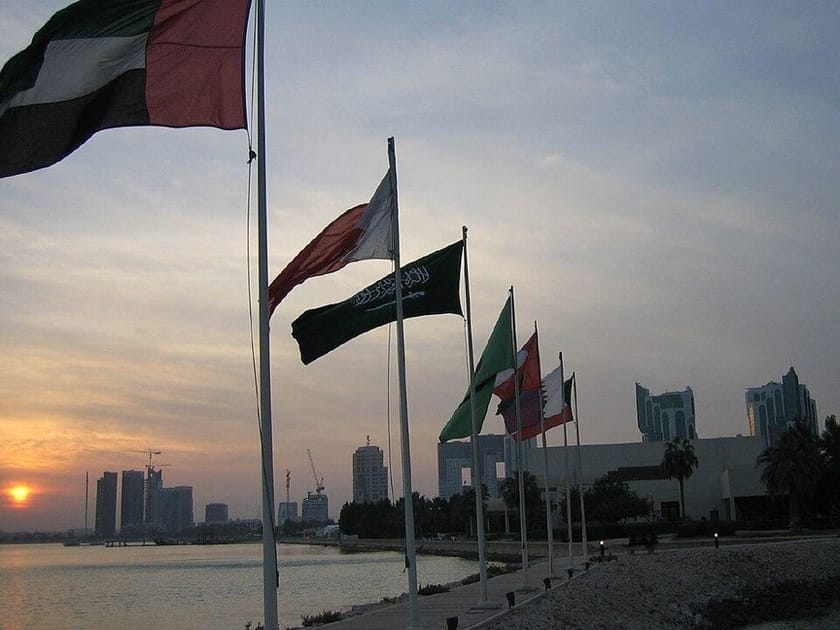
Between Scylla and Charybdis: The Gulf’s Irregular Tomorrow
As U.S. security guarantees in the Arabian Gulf face unprecedented strain, regional states must confront a resilient or fragmented Iran alone. This analysis outlines the strategic shift toward an indigenous, "Arabia-First" framework to counter persistent, below-threshold irregular threats.

IWI’s Summer 2026 Reading List
The Irregular Warfare Initiative (IWI) provides a reading list curated by its leadership and editors. It features a diverse mix of fiction and nonfiction spanning irregular warfare, history, memoirs, and sci-fi, tailored for leisure reading, long travel, or upcoming academic preparation.
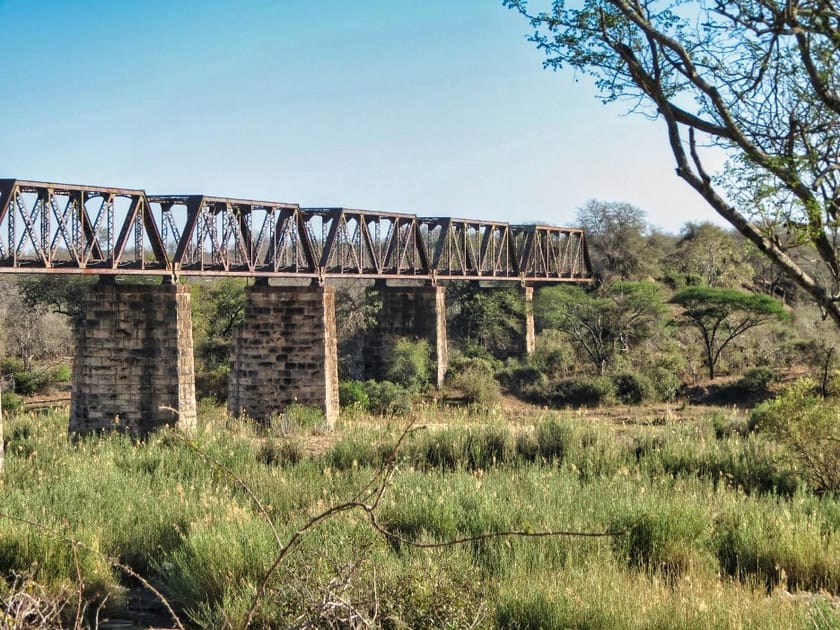
Protocol Insurgency: Winning the War of Conditions in the Digital Age
Modern irregular warfare is shifting from physical terrain to digital protocols. This analysis explores how adversaries leverage infrastructure to build systemic dependence, introducing Technical Foreign Internal Defense (Tech-FID) and protocol insurgency to maintain strategic advantage.

Geoeconomics of Irregular Warfare: Iran and the Global Ripple Effects — Part IX
In Part Nine of Irregular Warfare Initiative’s special series on the conflict with Iran, presented by the Economic & Legal Warfare Team, Hamlet Yousef (IWI Economic & Legal Warfare Advisor), Matt Flug (Co-Director, Economic & Legal Warfare Project, IWI), Tom Johansmeyer (Co-Director, Economic & Legal Warfare Project,

Strategic Resources in Competition: Critical Minerals & Rare Earth Elements
21–22 July 2026 · 0830–1600 Carahsoft HQ · 11493 Sunset Hills Road, Reston, VA The Irregular Warfare Initiative (IWI) and the Special Operations Association of America (SOAA) will host a two-day conference at Carahsoft Headquarters in Reston, Virginia, focused on the role of critical minerals and rare earth elements
Bridging the gap between irregular warfare scholars, practitioners, and policymakers.