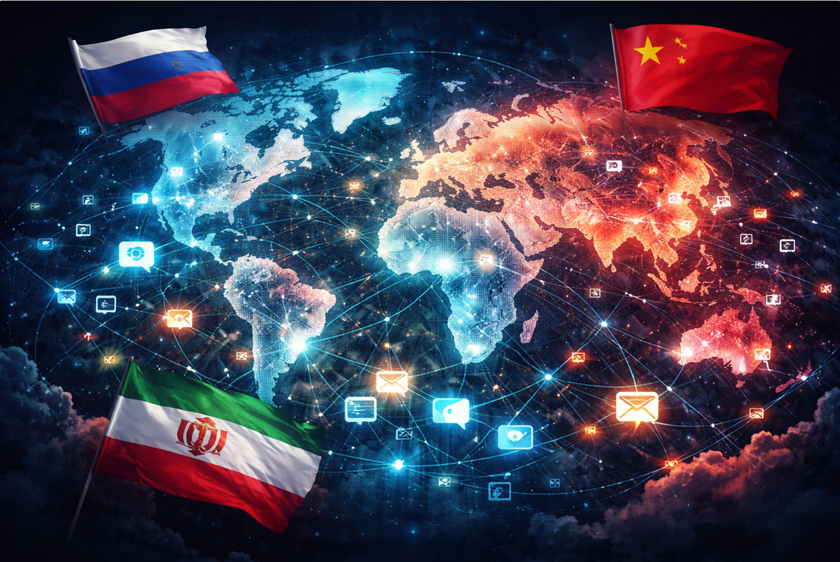
How America's Adversaries Learned to Weaponize Reality
Russia, China, and Iran use sophisticated narrative warfare to shape politics, while the US relies on an outdated Cold War model. Modern conflict is a battle of narrative endurance; strategic success depends on whose political story is believed, not who wins on the battlefield.
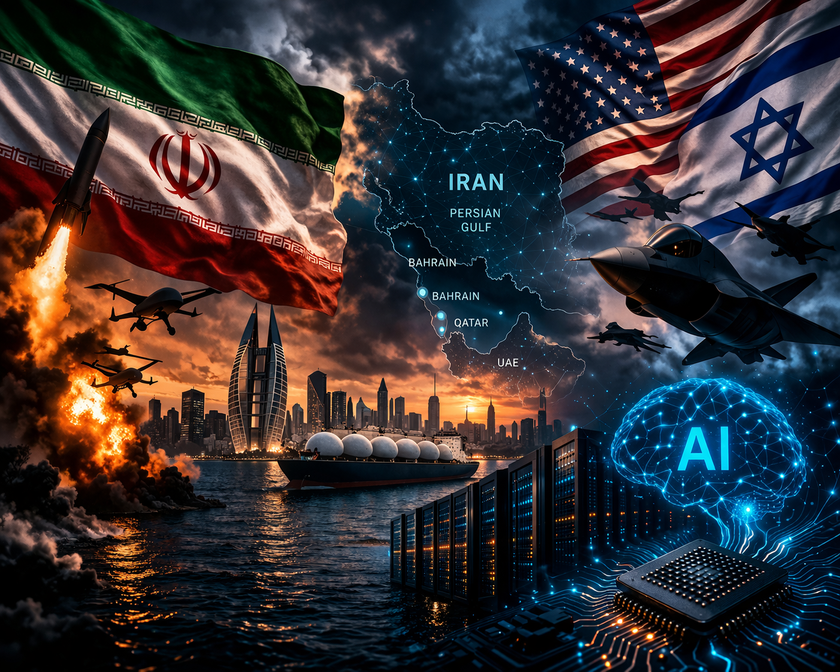
The Iran War: A War with or against the AI Sector?
The 2026 Iran War marks the dawn of hyperwar, accelerating military AI integration while disrupting critical upstream supply chains like Qatari liquid helium. This dual physical and financial pressure creates a shared strategic crisis for both the U.S. and Chinese AI sectors.
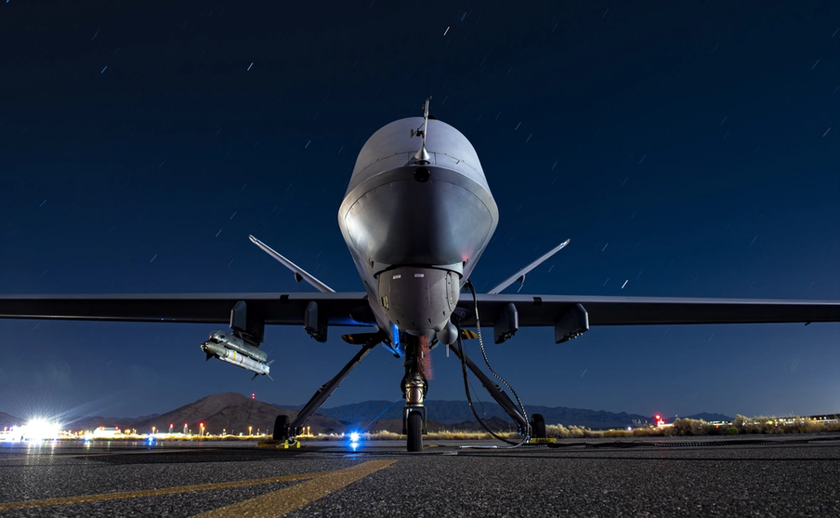
Hidden Costs of Precision: What Drone Strikes Actually Do to Civilians
New research using cellphone data from Yemen reveals that U.S. drone strikes cause widespread civilian displacement and communication spikes, even when avoiding casualties. These non-lethal disruptions create significant strategic and humanitarian costs overlooked by military planners.
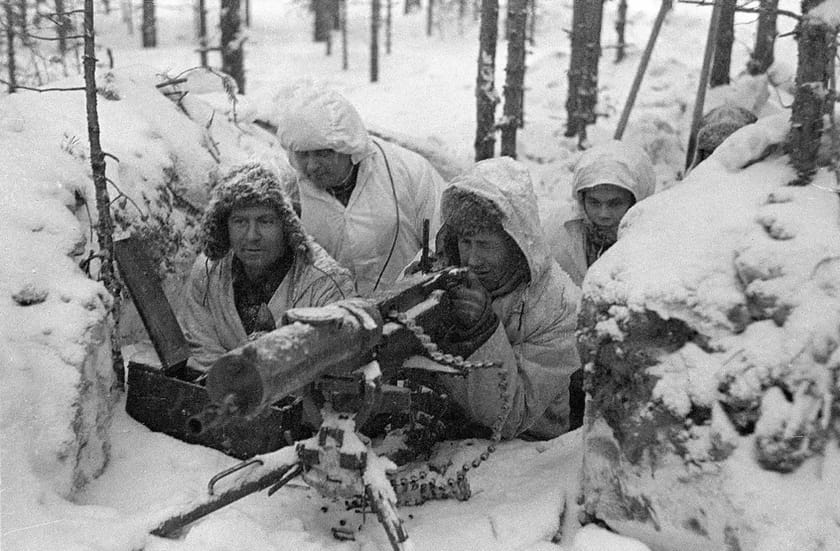
A Bed-ROC-k for Total Defense: Building a Practical Manual to Disrupt Hybrid Threats and Deter War
While the Resistance Operating Concept guides post-occupation survival, states require a practical peacetime framework to deter hybrid aggression. This article proposes an international Total Defense manual, drawing on Finnish history, to operationalize whole-of-society resilience.
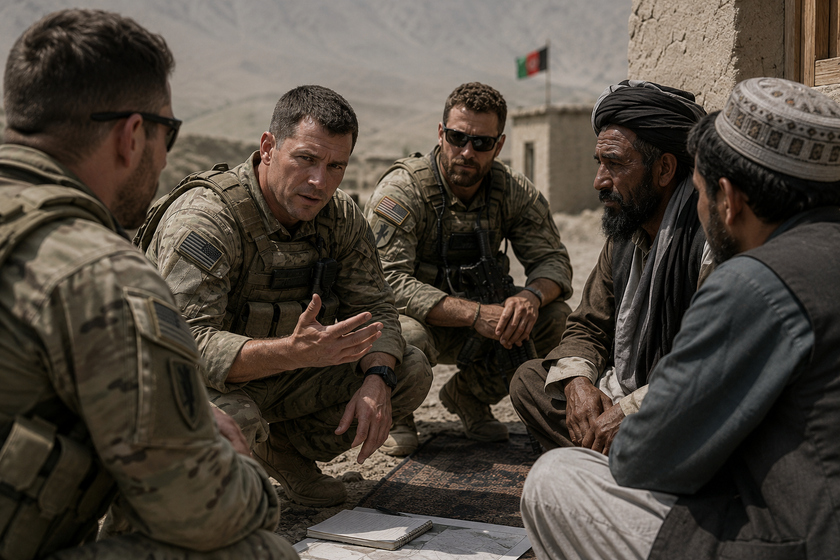
A Global Security Advisory and Assistance Strategy for Strategic Competition: Winning Before War Through Effective Campaigning
"The true value of security assistance is not measured in weapons delivered or training events completed. It is measured in trust, relationships, access, influence, and capability."

Is Cognitive Warfare Dead on Arrival?
Cognitive warfare is everywhere, but it may already be doomed. It is hard to read national security literature and social media posts without coming across the term cognitive warfare. The conflict with Iran. China’s current operations. Russia’s way of war. North Korea’s nuclear strategy. Reports from NATO’
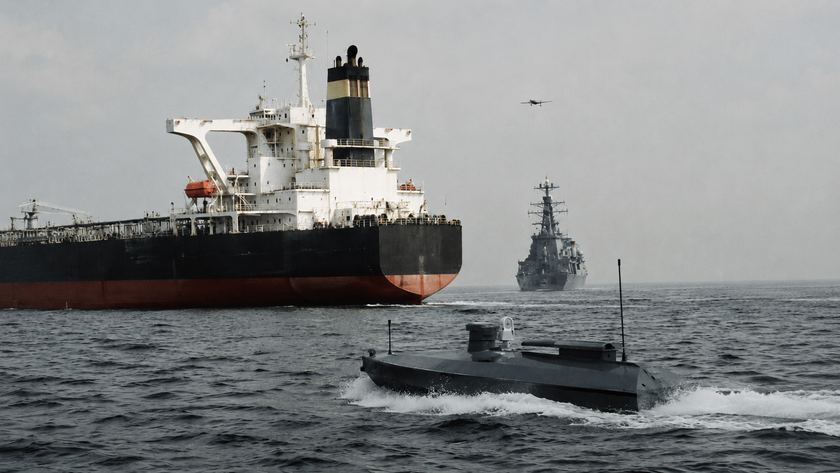
Iran, Ukraine, and the Future of Naval Warfare
Episode 156 examines what the U.S.-Iran War and Russia-Ukraine War reveal about how weaker states and irregular actors contest navies, maritime commerce, and global energy flows. Summary This conversation examines naval irregular warfare in an era of drones, shadow fleets, contested chokepoints, and attacks on commercial shipping.
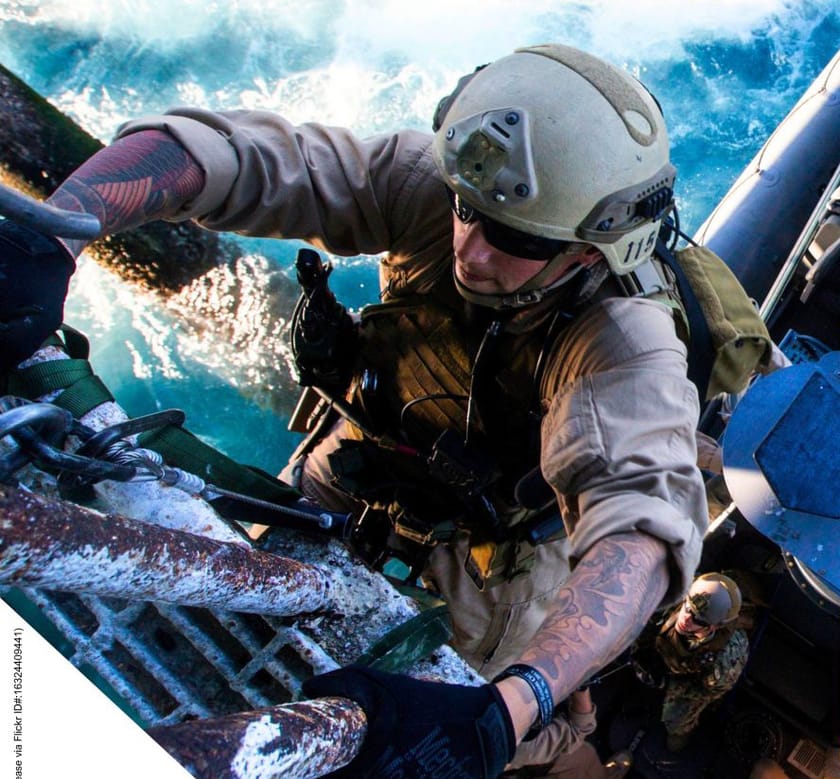
Join Us at the 2026 CIWAG Maritime Symposium
The maritime domain is entering an era of gathering storms and shifting tides. Join leading practitioners, scholars, and policymakers at the 2026 CIWAG Maritime Symposium, taking place 22–24 June 2026 in Newport, Rhode Island, for discussions on some of the most pressing challenges shaping maritime security today. Topics include
The Enduring Relevance of Irregular War
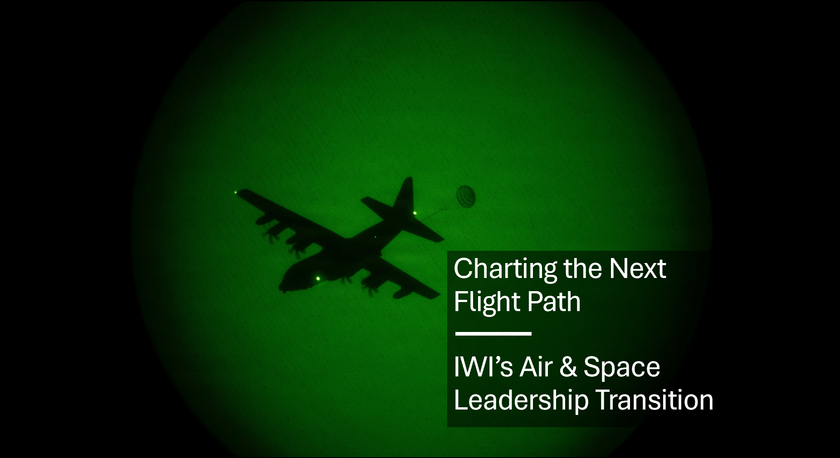
For three years, I’ve watched with excitement as Dr. Kerry Chavez and Dr. Rick “Newt” Newton built and expanded IWI’s Air and Space Power Initiative into the premier forum driving the discussion of the role for air and space power in irregular warfare. It is a great honor
Winning the Systems War: Why the Army Should Reorganize Itself for Modern Combat
America’s decisive victory in Desert Storm may have also planted the seeds of future military defeat. Watching American forces dismantle the Iraqi military convinced Chinese military analysts that they could not compete with the United States tank for tank or plane for plane. The lesson learned was that America
Bridging the gap between irregular warfare scholars, practitioners, and policymakers.