The Digital Bear in Ukraine: Russian Cyber Operations Since 2014
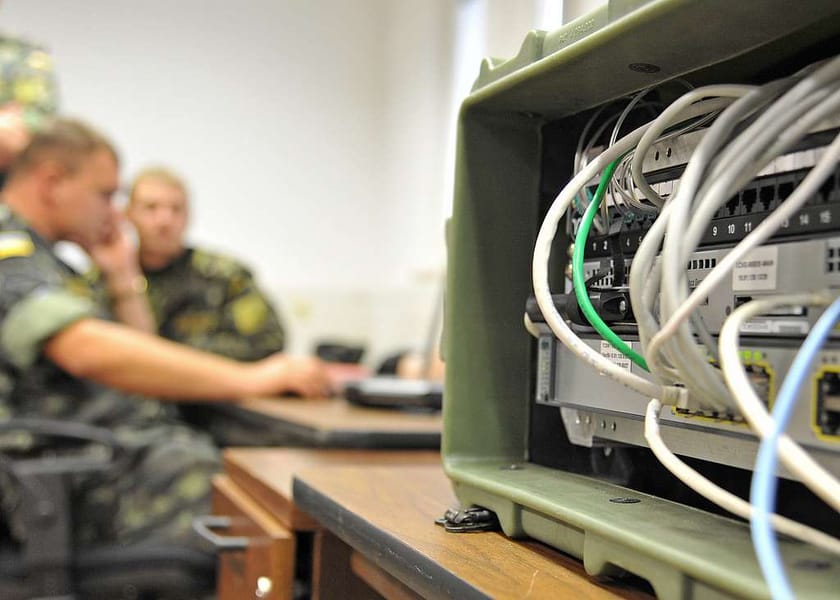
Episode 77 of the Irregular Warfare Podcast, which is also the second installment of the IWI Project on Cyber, explores cyber operations in the war in Ukraine. Our guests examine the use of cyber warfare and digital information operations in Ukraine since 2014. They begin by highlighting the differences between
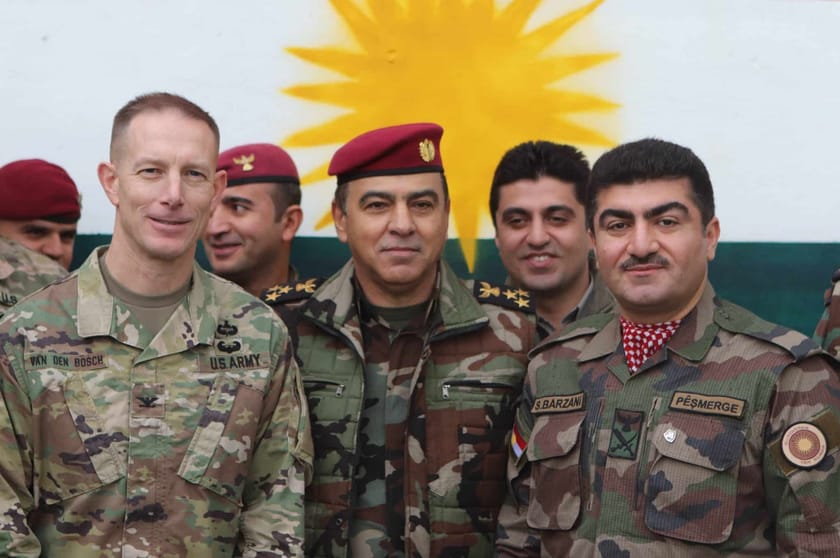
Local Partners Are Not Proxies: The Case for Rethinking Proxy War
Despite being a scholar of “proxy wars” in Afghanistan, Syria, and Iraq, I rarely use the term. Here’s why. Work on security partnerships is expanding in response to a shifting US defense posture emphasizing the benefits of working “by, with, and through” allies and partners. This research is essential,
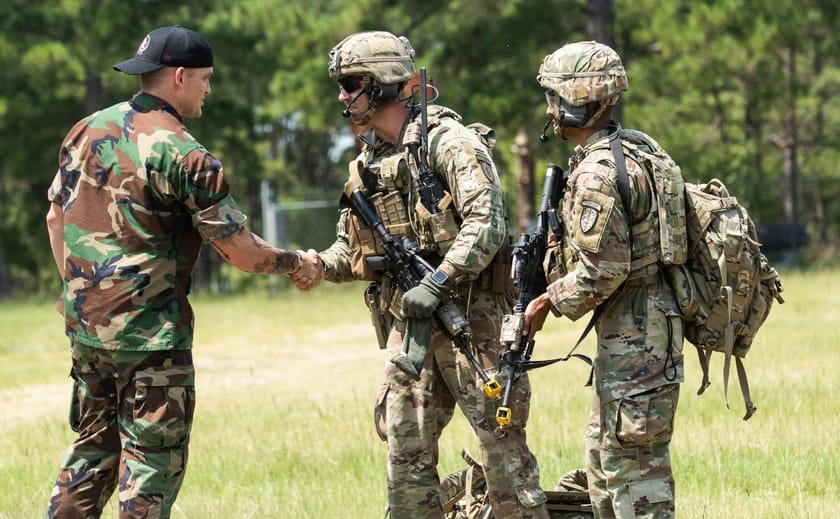
Campaigning Through (Security) Cooperation: A Roadmap for Implementing the National Defense Strategy in Lower Priority Theaters
“As we face complex challenges that span across borders, our success will depend on how closely we work with our friends around the world to secure our common interests and promote our shared values.” – Secretary of Defense Lloyd Austin III, Message to the Force, March 2021 Campaigning through cooperation is
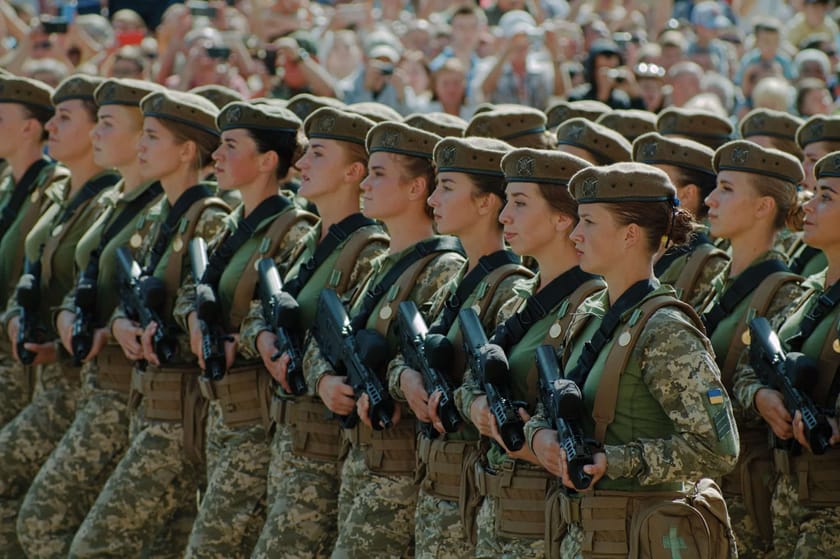
Putin’s Mobilization of Masculinity in the Invasion of Ukraine—and the Role of Ukrainian Women in Stopping Him
Her statue watching over Kyiv’s Saint Michael’s Square, Saint Olga has played an important role in inspiring the defenders who have protected Ukraine since Russia’s invasion a year ago. In the 10th century, Olga avenged the killing of her husband Igor of Kyiv at the hands of
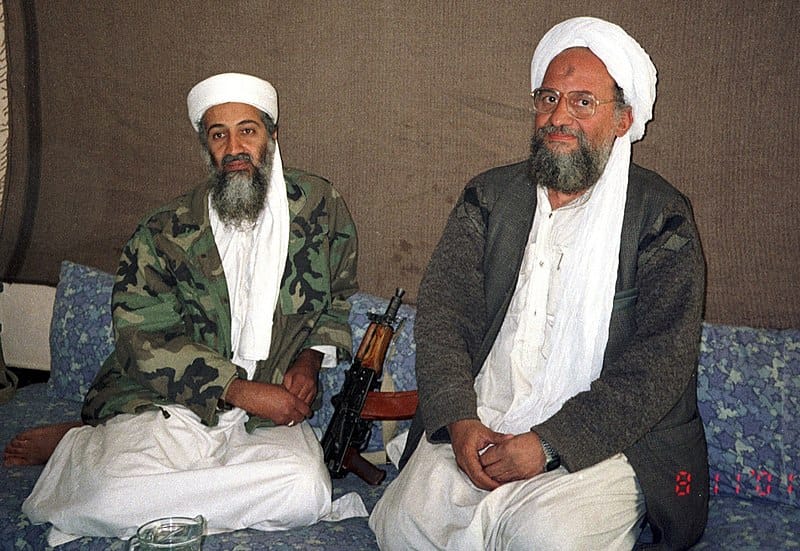
The Terrorist’s Dilemma: How Non-State Actors Manage Covert Organizations
Episode 76 of the Irregular Warfare Podcast discusses the Terrorist’s Dilemma. Our guests begin by examining the tradeoffs terrorist organizations must make between maintaining security and exercising command and control. They then discuss examples of effective counterterrorist (CT) campaigns, what characterizes them, and how best to learn from past
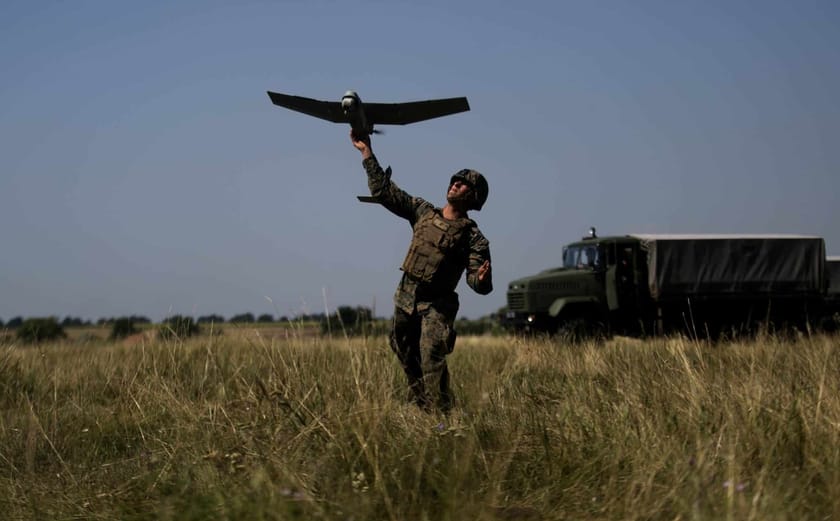
Beyond Reapers and DJI Mavics: Are Scholars and Policymakers Ready for One-Way Attack Drones?
On March 23rd an Iranian-made one-way attack (OWA) drone struck a US-led coalition base in Syria, killing a US contractor and injuring five US servicemembers and another US contractor. It was not the first time an OWA had been used in this way. On January 20th three
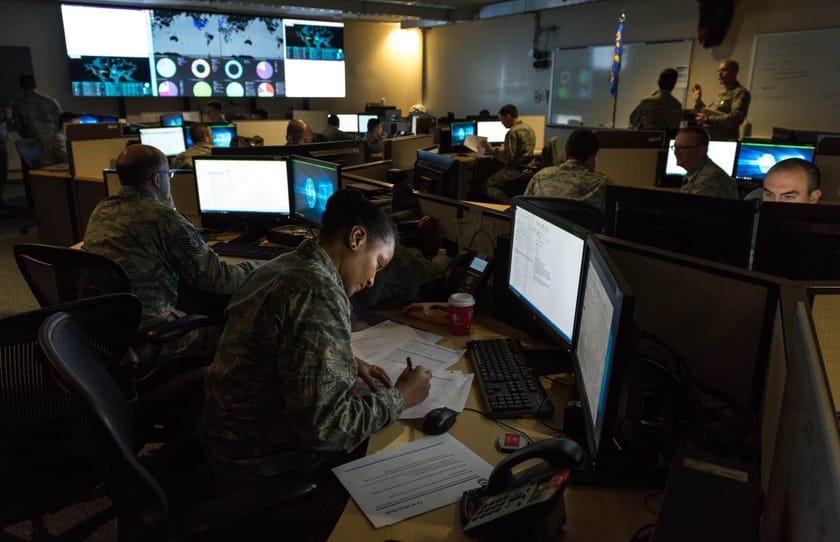
Custer’s Last Tweet: Avoiding a Digital Little Bighorn in the Fight for Hearts and Minds
Jayson Warren, Darren Linvill, and Patrick Warren On the afternoon of June 25, 1876, Lieutenant Colonel George Armstrong Custer led five companies of the Seventh Cavalry into the valley of the Little Bighorn River, intent on pacifying the Lakota and Sioux encamped there. A veteran of previous campaigns against the
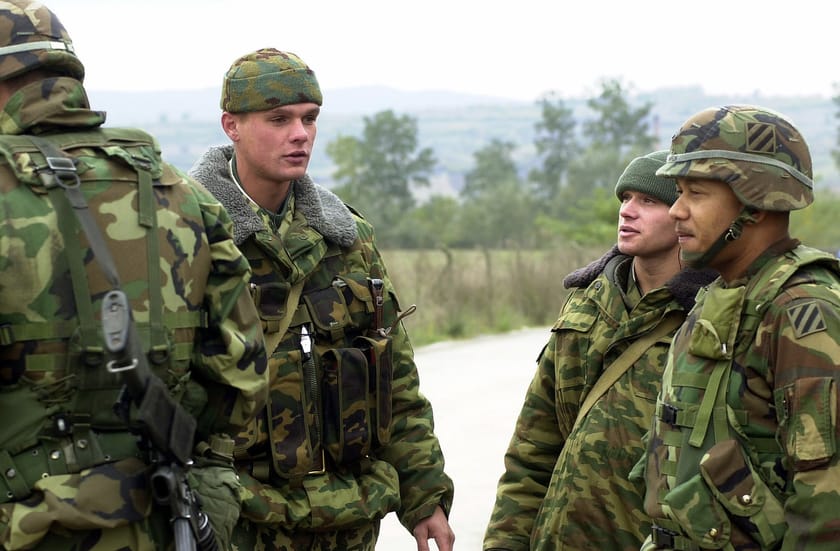
Forces of Destabilization: Countering Wagner Group in the Sahel
This piece was selected as a finalist in the undergraduate category of an essay contest co-sponsored by IWI and the Joint Staff J7 Office of Irregular Warfare and Competition (OIWC). Due to the nature of the contest, this piece is published with only minimal inputs from our editorial team.
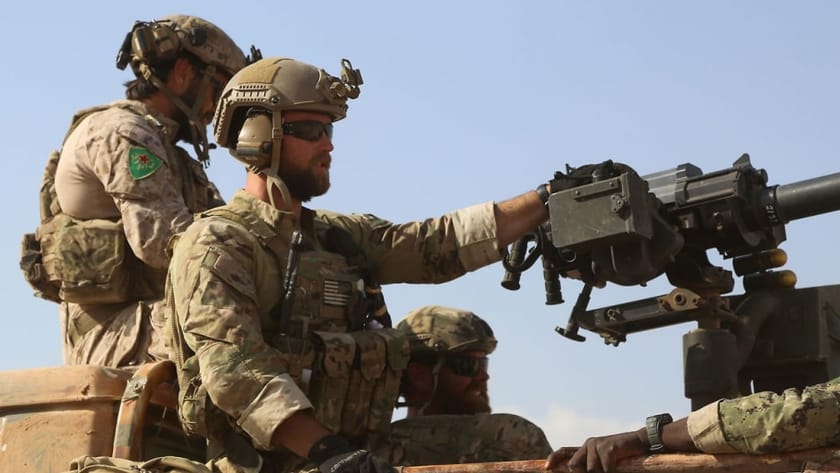
The Enduring Importance of Tactical Counterterrorism for Strategic Competition
This piece was selected as a finalist in an essay contest co-sponsored by IWI and the Joint Staff J7 Office of Irregular Warfare and Competition (OIWC). The views expressed do not represent the position of IWI or the US Government, including the Joint Staff J7 OIWC. In directing a
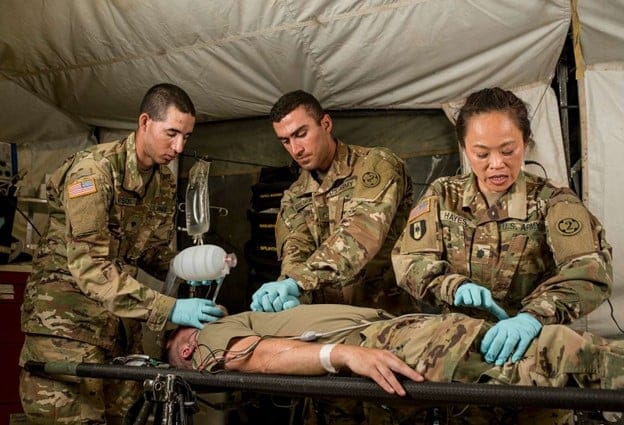
Strengthening the Medical Sphere of Influence Through Guerilla Trauma Systems and Covert Medical Intelligence Networks
Mason H. Remondelli This piece was selected as a finalist in an essay contest co-sponsored by IWI and the Joint Staff J7 Office of Irregular Warfare and Competition (OIWC). Due to the nature of the contest, this piece is published with only minimal inputs from our editorial team. The
Bridging the gap between irregular warfare scholars, practitioners, and policymakers.